Tourexpi

EU rejects high fuel prices as justification for avoiding passenger compensation
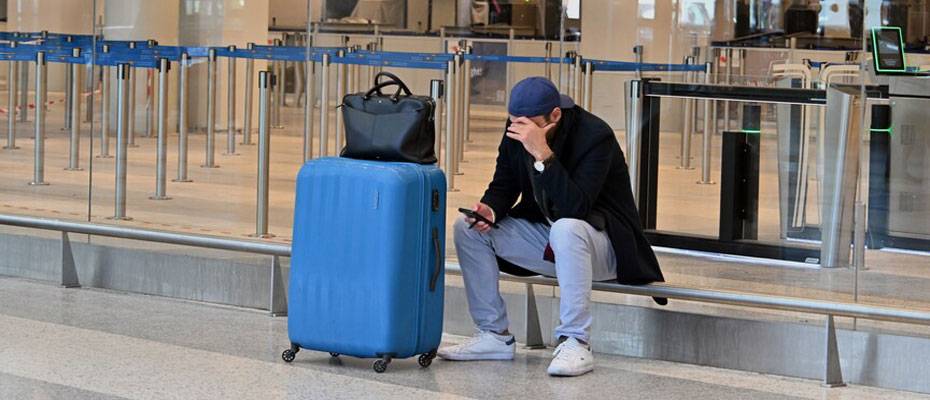
The European Commission has clarified that airlines
operating in the European Union cannot use high fuel prices as grounds for
avoiding compensation payments to passengers affected by flight cancellations.
In new guidance issued to the transport and tourism
sectors, the Commission stated that travelers remain entitled to reimbursement,
re-routing assistance, airport support and compensation for last-minute
cancellations under existing EU air passenger rights legislation.
The clarification comes amid ongoing disruption to
global energy markets caused by tensions in the Middle East, including
restrictions affecting air and shipping routes.
Fuel prices alone do not qualify as extraordinary
circumstances
According to the Commission, airlines may only refuse
compensation if they can clearly demonstrate that cancellations were caused by
genuine extraordinary circumstances, such as a local fuel shortage directly
affecting operations.
However, the guidance stresses that rising jet fuel
prices alone do not meet that threshold under EU rules.
The Commission’s statement is particularly significant
as airlines across Europe face mounting operational pressure linked to higher
fuel costs and supply chain disruptions.
EU introduces temporary flexibility measures
To help carriers manage possible jet fuel shortages,
the Commission announced temporary flexibility under the ReFuelEU Aviation
framework. Airlines may be exempted from the EU’s 90 percent fuel uplift
requirement in cases where safety regulations make additional fuel loading
necessary.
At the same time, the European Union Aviation Safety
Agency (EASA) issued a Safety Information Bulletin concerning the safe use of
Jet A aviation fuel across Europe.
The Commission also adopted a temporary state aid
framework allowing EU member states to support transport sectors affected by
rising diesel prices and crisis-related disruptions. The measures apply to
road, rail, inland waterways and maritime transport operators.
Airlines face growing financial pressure
Jet fuel prices in Europe have risen sharply over the
past year as instability in the Middle East and disruptions in the Strait of
Hormuz pushed up oil and gas prices.
European refineries currently cover around 70 percent
of the EU’s jet fuel demand, while much of the remaining supply is imported
from Gulf countries and the Middle East.
Several airlines have already announced operational
adjustments in response to the higher costs. KLM said it plans to cancel 160
intra-European flights this month, while Lufthansa recently announced plans to
discontinue operations at its CityLine subsidiary and reduce short-haul
capacity through October.
The Commission’s latest guidance is intended to ensure
that existing passenger protection standards remain in force despite the
current market disruptions.
Image Credit: © AA
The most interesting news
 Read the News

Hilton launches co-branded Mastercard credit cards in China
Partnership with Bank of Communications links everyday spending to Hilton Honors benefits, hotel stays and travel rewards at more than 9,400 properties worldwide
 Read the News
Europe: Social media increasingly shapes how travellers choose and experience trips
TUI Musement research finds 39% have visited a tourist attraction mainly to create social media content, while viral posts increasingly influence bookings
 Read the News
Latin America: Hilton expands workforce as hotel pipeline grows
Hilton employs more than 26,000 people across the region and plans over 150 additional hotels as it ranks first among Latin America’s best workplaces
 Read the News
IHG and Live Nation link hotel stays with concert experiences in Greater China
IHG One Rewards members will gain access to hotel and concert packages in Hong Kong and Taiwan as the hotel group expands its loyalty programme into live entertainment
 Read the News

Germany: Domestic travel reaches record high in 2025
German travelers took 169 million overnight domestic trips, while international travel declined sharply and business travel almost returned to pre-pandemic levels
 Read the News
Florida: Orlando extends Halloween season to a record 94 days
From theme park horror nights to family festivals and live entertainment, Orlando will celebrate Halloween from August 7 through November 8
 Read the News
Europe captures one-third of global leisure travel spending
Travelers spent $2 trillion on leisure trips in Europe in 2025, while Italy, Spain and Türkiye are expected to drive further growth as Southern Europe strengthens its global tourism position
 Read the News
Hotel Palace Berlin to become Hyatt Regency in 2027
The 278-room City West property will undergo a phased renovation before joining Hyatt Regency and World of Hyatt in early 2027
 Read the News
World cruise bookings rise as luxury travellers seek longer journeys
Pavlus Travel & Cruise reports bookings up more than 20 percent for 2026 as new routes, remote destinations and improved onboard connectivity broaden the appeal of months-long voyages
 Read the News
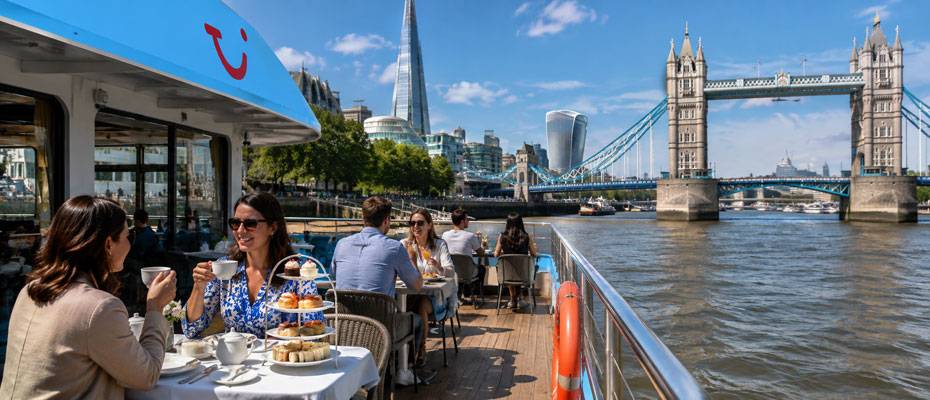
TUI Musement launches premium dining cruises on London’s Thames
Four new cruise experiences combine views of the British capital with afternoon tea, brunch, dinner and coffee, with prices starting at £22 per person
 Read the News
Atlas Ocean Voyages turns solar eclipse into expedition experience
Guests aboard three expedition yachts witnessed totality from the Mediterranean and North Atlantic after more than two years of planning
 Read the News

Egyptian Tourism Authority joins WTTC as Destination Partner
New partnership aims to strengthen public-private cooperation, support sustainable tourism growth and raise Egypt’s profile among travelers and investors
 Read the News
Global: Hilton retains title as world’s most valuable hotel brand
Brand Finance values Hilton Hotels & Resorts at $19.2 billion, up 28 percent year on year, while nine Hilton brands make the Hotels 50 ranking
 Read the News
Alaska Airlines adds nonstop Seattle flights to Athens and Paris
New Boeing 787-9 services will launch in May 2027 as Alaska Airlines expands Seattle into a major intercontinental hub
 Read the News
Germany: Eurowings rolls out Premium BIZ Seat across A320neo fleet
New 2x2 premium seating will be available on selected Mallorca, Málaga and London services and on all Eurowings flights to Dubai from December 2026
 Read the News
Germany: Lufthansa adds hot meals to Economy pre-order menu
Five hot dishes join Onboard Delights from September, while long-haul Business Class passengers gain a wider choice of pre-selected meals
 Read the News
Shanghai: Disney Resort packs autumn with Duffy Month and Halloween
The resort combines new Duffy and Friends experiences, LinaBell’s fifth anniversary and an expanded Halloween season with its 10th birthday celebrations
 Read the News
Asia: Thailand leads European summer travel searches as Vietnam gains ground
Agoda data puts Thailand ahead of Indonesia and Japan, while India, South Korea and Vietnam record the strongest growth in European search interest
 Read the News

Thailand targets high-value Chinese travelers with regional campaigns
Wellness in eastern China, sports tourism in the west and family travel in the north form part of a more targeted strategy as Thailand aims for over five million Chinese arrivals in 2026
 Read the News
Hainan looks beyond its beaches with rainforest and hot spring tourism
Qixianling in central Hainan combines a year-round mountain climate with rainforest hiking, geothermal springs and golf as Baoting expands its wellness tourism offer
 Read the News
China launches first SAF compliance service for foreign business jets
New model at Beijing Capital International Airport gives foreign-registered business jets access to sustainable aviation fuel benefits without changes to existing refuelling infrastructure