Tourexpi

Overtourism from the German traveller’s perspective
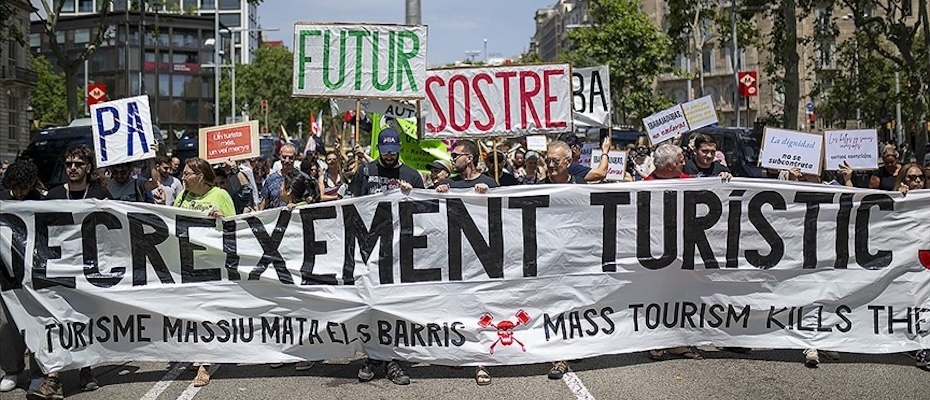
More than half of people in Germany have already heard or read the term overtourism. According to a representative survey carried out by the Bavarian Centre for Tourism (BZT) in January 2026, the study examined awareness of the term, associations with it, personal experience of overtourism, changes in travel behaviour, and attitudes towards measures to limit visitor numbers at busy tourist destinations and attractions.
Attitudes towards overtourism
The term is especially well known among younger age groups. While 64 per cent of 18 to 29-year-olds are familiar with it, this falls to 44 per cent among those aged 70 to 74. Overtourism is most commonly associated with overcrowding or simply too many tourists in one place (75 per cent), followed by pressure on local residents (15 per cent) and environmental damage (13 per cent).
To ensure a shared understanding, respondents were shown a definition of overtourism during the survey. Clear differences emerged between those who already knew the term and those who did not: 32 per cent of the latter group said they had never really thought about the issue before, but after reading the definition, 16 per cent said it concerned them strongly or very strongly. Among those already familiar with the term, 38 per cent said it strongly influences how they think about travel and make travel decisions.
In relation to Germany, 43 per cent said they had experienced overtourism either while on holiday in Germany or in the place where they live. Overall, 68 per cent agreed that too many tourists can have a negative effect on their own travel experience, and 67 per cent believed travellers have some responsibility to help reduce negative impacts. At the same time, 56 per cent rejected the idea that they do not care about local people’s way of life, while half of respondents were undecided about whether their own presence at a destination brings only benefits to the local community.
Changes in travel behaviour
More than half of those who have experienced overtourism themselves said they had changed the way they travel. Around 61 per cent preferred travelling in the off-season, while 56 per cent said they try to avoid well-known hotspots. Almost half of those who had changed their travel behaviour also said they planned to holiday elsewhere in future.
Support for visitor limits
The strongest support was for legal penalties and clear rules of behaviour for visitors. Measures such as visitor caps and advance booking systems for attractions were also supported by more than half of respondents. By contrast, higher admission prices and the closure of destinations or attractions were viewed much less favourably.
Picture Credit: Anadolu Ajansı
The most interesting news
 Read the News

Global cruise market forecast to nearly double by 2034
Passenger growth, fleet expansion and rising demand for premium and experiential travel are expected to drive the market to $38.5 billion
 Read the News
Hotel Indigo reaches 200 hotels as global expansion accelerates
IHG’s Luxury & Lifestyle brand has doubled its footprint since 2019 and has another 134 properties in the development pipeline
 Read the News
Emirates launches first daily Dubai-Helsinki service
The new year-round route gives Finland its only direct connection to the UAE and opens new one-stop links to Asia, Africa, the Indian Ocean and Australasia
 Read the News

Türkiye’s underwater heritage reveals ancient Mediterranean trade routes
More than 430 shipwrecks have been documented along the Mediterranean coast, while new excavations and museum projects are bringing thousands of years of maritime history to a wider audience
 Read the News
WTTC and ICC join forces to strengthen tourism SMEs worldwide
New partnership targets regulatory, financial, digital and mobility barriers affecting small and medium-sized businesses across global Travel & Tourism
 Read the News

Eurowings expands Middle East network with new Baghdad flights
New services from Berlin and Düsseldorf will complement connections to Dubai, Jeddah, Tel Aviv, Beirut, Erbil and Amman in the 2026/27 winter schedule
 Read the News
Costa Rica launches interactive map of natural and cultural heritage
Free bilingual platform combines tourism, biodiversity, marine science, history and geography in a digital exploration tool
 Read the News
TUI Blue puts holistic wellness at the centre of Asian escapes
TUI Blue Berawa in Bali and TUI Blue Angkor Grace in Cambodia combine yoga, recovery, healthy cuisine and local wellbeing traditions with a relaxed resort experience
 Read the News
SpongeBob musical to debut at sea on Royal Caribbean’s Hero
Broadway-inspired production will headline the entertainment programme when the new Icon Class ship begins Caribbean cruises from Miami in August 2027
 Read the News

Thailand links Middle East travel trade with 80 tourism businesses
Forty representatives from the UAE and Saudi Arabia met Thai suppliers after a six-day product discovery programme in Pattaya, Hua Hin and Bangkok
 Read the News
Phuket Vegetarian Festival brings Hokkien traditions to the streets
The nine-day celebration from 10 to 18 October combines shrine ceremonies, processions and centuries-old rituals across Phuket City
 Read the News
RIU repositions Riu Touareg as family resort after major renovation
The 1,181-room resort on Boa Vista has reopened with redesigned accommodation, expanded dining and a new focus on families
 Read the News
Holland America Line to add Arcadia as 12th ship in 2029
The Vista Class vessel will transfer from P&O Cruises, adding capacity for more than 2,000 guests and supporting Holland America’s fleet modernization program
 Read the News
Spain welcomes 12.3 million international tourists in August
International visitor spending exceeded €17.8 billion during the month, while arrivals rose 9.2% and destinations outside Spain’s main tourism regions recorded particularly strong expenditure growth
 Read the News
Southeast Asian travellers look beyond China’s traditional gateways
Traveloka data shows bookings to China’s emerging city destinations growing more than twice as fast as demand for Beijing, Shanghai, Guangzhou and Shenzhen
 Read the News
Tempo by Hilton to make German debut at Munich Airport Arena
The 199-room lifestyle hotel is scheduled to open in 2029 as part of the new MUNICH ARENA entertainment campus near Munich Airport
 Read the News
Lufthansa Group expands Japan network to 50 weekly flights
Lufthansa will return to Nagoya and add daily Frankfurt–Tokyo Narita services as the group significantly increases Japan capacity for Summer 2027
 Read the News
Silversea adds 103 voyages for 2028-2029 season
The new collection spans 56 countries and introduces culinary sailings, 29 new ports and a 75-night circumnavigation of South America
 Read the News
Hyatt Centric Sapporo opens as new base for exploring Hokkaido
The 216-room property is the Hyatt Centric brand’s first hotel in Hokkaido, combining a central Sapporo location with a strong focus on regional design and cuisine
 Read the News
Oktoberfest draws growing interest from Asian travellers
Agoda data shows strong search growth from China, India and Japan, while visitors increasingly combine Munich with other German destinations
 Read the News
Indonesia targets Australian travellers with quality tourism strategy
Bali, Lombok, Labuan Bajo and Borobudur anchor a campaign designed to encourage longer stays, higher-value travel and deeper local experiences