Tourexpi

Lufthansa Group Reports Record Quarterly Revenue Despite Rising Fuel Costs
Lufthansa Group achieved its highest quarterly revenue on record in the third quarter of 2026, generating €12.2 billion, an increase of 9% compared with the same period last year. Adjusted operating profit rose by 6% to €1.4 billion despite an additional €543 million in fuel expenses. The results reflect strong demand for air travel, higher ticket yields and cost-control measures that helped the airline group offset much of the pressure from rising energy prices.
Demand remained particularly strong for premium travel and long-haul services to Asia and North America. The group's network airlines increased their available seat capacity by 1.6%, marking their first year-on-year capacity expansion of 2026. Growth was concentrated on routes to South America and Africa, alongside selected Asian destinations. Although passenger load factors declined slightly, higher average fares supported revenue growth and demonstrated continued willingness among travellers to pay more for certain international services.
The quarterly performance was also supported by significant improvements in the group's cargo and aircraft maintenance businesses. Lufthansa Cargo more than tripled its operating profit, while Lufthansa Technik increased earnings by over 50%. These contributions helped compensate for higher fuel costs affecting passenger airlines, particularly Lufthansa Airlines. The group nevertheless reported a slightly lower operating margin, illustrating the continuing financial pressure facing European aviation despite robust passenger demand.
Premium Demand Supports Passenger Airlines
The Lufthansa Group's network airlines recorded a 6.8% increase in passenger yields during the third quarter. Despite a 1.3-percentage-point decline in load factor, unit revenue rose by 5.2% compared with the previous year.
Demand for premium tickets was an important driver, particularly on routes connecting Europe with Asia and North America. The figures indicate that higher average ticket revenues were sufficient to compensate for the slightly lower proportion of occupied seats.
Cost management also played a significant role. Unit costs excluding fuel and emissions expenses increased by just 0.5%, remaining below the prevailing inflation rate.
The group attributed this development to lower expenditure on certain fees and charges, reduced project costs, capacity growth and continued automation and digitalisation under the Lufthansa Airlines turnaround programme.
Nevertheless, the network airlines' combined Adjusted EBIT declined by €108 million to €853 million. Fuel expenses increased by more than €400 million, while Lufthansa Airlines continued to carry the financial consequences of strikes earlier in the year, which generated approximately €65 million in additional costs.
SWISS, Austrian Airlines and Brussels Airlines all improved their third-quarter results compared with 2025.
Eurowings Benefits from Strong European Demand
The group's point-to-point business also recorded a positive quarterly development, despite changes to its route network.
Eurowings reduced capacity by 3.5% following the suspension of flights to the Gulf region amid the Middle East conflict. The airline subsequently shifted capacity primarily towards shorter routes serving Southern European destinations.
Unit revenue increased by 10%, supported by demand for premium offerings and additional income from ancillary services.
However, unit costs excluding fuel and emissions expenses rose by 4.8%, partly because of lower capacity, higher personnel expenses and increased airport charges, particularly in Mallorca.
The SunExpress joint venture contributed an equity result of €103 million, €20 million more than in the previous year.
Overall, the Lufthansa Group's point-to-point segment generated Adjusted EBIT of €214 million, an increase of €16 million year-on-year.
Cargo and Maintenance Deliver Strong Earnings
Lufthansa Technik and Lufthansa Cargo were among the strongest contributors to the group's quarterly performance.
Lufthansa Technik increased revenue by 20% to €2.3 billion, largely driven by business with external customers. Adjusted EBIT climbed by 54% to €200 million, while the operating margin improved to 8.6%.
The results reflect sustained demand for aircraft maintenance, repair and overhaul services.
Lufthansa Cargo recorded an even stronger improvement in profitability. Freight volumes increased by 7%, while capacity expanded by 5%, supported by additional cargo space in ITA Airways aircraft.
Cargo yields rose by 22%, benefiting from strong demand amid the disruption caused by the Middle East conflict. Adjusted EBIT reached €162 million, compared with €49 million in the third quarter of 2025. The operating margin increased from 6.0% to 15.6%.
These developments demonstrate the importance of the group's diversified business model, with cargo operations and technical services providing substantial earnings alongside passenger transport.
Full-Year Profit Forecast Refined
Lufthansa Group reported third-quarter net income of €1.3 billion, compared with €966 million a year earlier. The Adjusted EBIT margin stood at 11.5%, slightly below the previous year's 11.9%.
The group's financial position remained stable. At the end of September, available liquidity totalled €11.8 billion, while net debt including pension liabilities declined to €7.3 billion from €8.3 billion at the end of 2025.
For the first nine months of 2026, operating cash flow reached approximately €3.4 billion. Adjusted free cash flow amounted to €1.8 billion, close to the previous year's level.
Looking ahead, Lufthansa Group expects a healthy demand environment in the fourth quarter but continues to face uncertainty surrounding fuel prices and geopolitical developments.
The company now anticipates a full-year fuel bill of €9.3 billion and has refined its 2026 Adjusted EBIT forecast to between €1.7 billion and €2.0 billion.
Chief Financial Officer Till Streichert indicated that the final result within this range would depend on fuel costs, passenger demand and particularly Lufthansa Cargo's fourth-quarter performance.
The group also reported fuel hedging coverage of approximately 86% for its passenger airlines in 2026 and more than 60% for 2027, providing some protection against further price volatility.
For Lufthansa Group, the latest results underline the continuing strength of international travel demand while highlighting the importance of cost discipline and profitable activities beyond passenger aviation.
Image Credit: © Lufthansa Group
The most interesting news
 Read the News

Hong Kong launches new luxury lifestyle exhibition in November
The Festival of Connoisseurs will combine premium travel, superyachts and luxury brands with public events across Victoria Harbour, AsiaWorld-Expo and Discovery Bay
 Read the News
Bedsonline+ launches integrated travel packages for advisors in North America
The new PerfectStay-powered solution allows travel advisors to book flights, hotels and experiences through a single platform, with expansion to European markets planned
 Read the News
Hilton Plans Major Global Expansion with New Hotels in 2027
The hotel group is preparing brand debuts in more than 30 countries, with new luxury properties, lifestyle hotels and extended-stay accommodation across Asia, Europe and the Americas
 Read the News
SWISS Launches Direct Flights from Zurich to Bengaluru
The airline now serves three destinations in India, with five weekly nonstop flights to the country's major technology and business hub in southern India
 Read the News

Thailand Promotes Lesser-Known Southern Destinations to European Tour Operators
An eight-day familiarisation trip introduced travel professionals from Germany, Austria and Switzerland to Khanom, Sichon and Cheow Lan Lake, combining coastal tourism with nature and cultural experiences
 Read the News
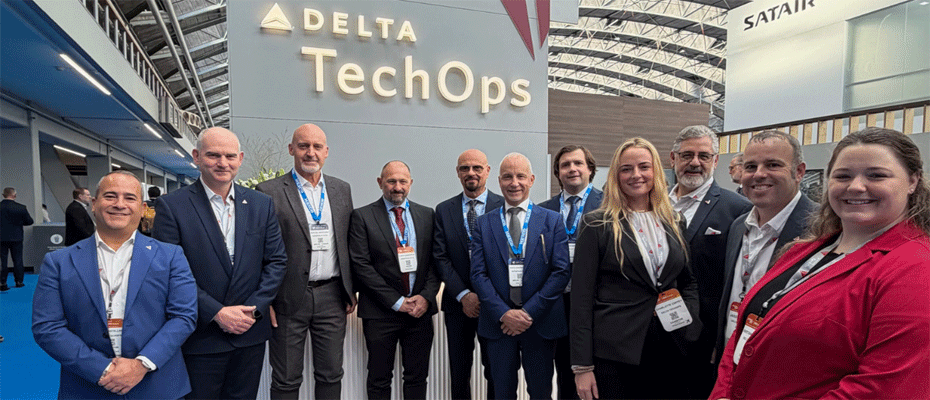
Aeroitalia selects Delta TechOps to support its Boeing 737 fleet
The agreement combines component maintenance, spare parts access and technical support to improve aircraft availability as the Italian airline expands its operations
 Read the News

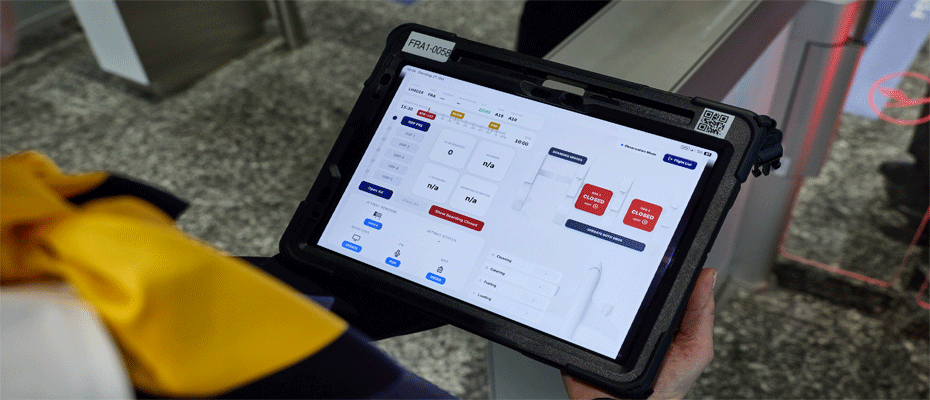
Lufthansa and Fraport unveil Gate of the Future at Frankfurt Airport
Redesigned Gate A16 introduces mobile passenger assistance, real-time digital information and lounge-style seating as a testing ground for future airport services
 Read the News
New York Restaurant Takes Diners Across India with Changing Menus
A restaurant in the Hudson Valley introduces a new culinary journey every 100 days, exploring India's regional cuisines through seasonal ingredients and traditional cooking techniques
 Read the News

Rixos Chairman Fettah Tamince Calls for a New Tourism Strategy in Türkiye
Rixos Chairman Fettah Tamince urges Türkiye to prioritize tourism revenue over visitor numbers, targeting $100 billion from 50 million tourists
 Read the News
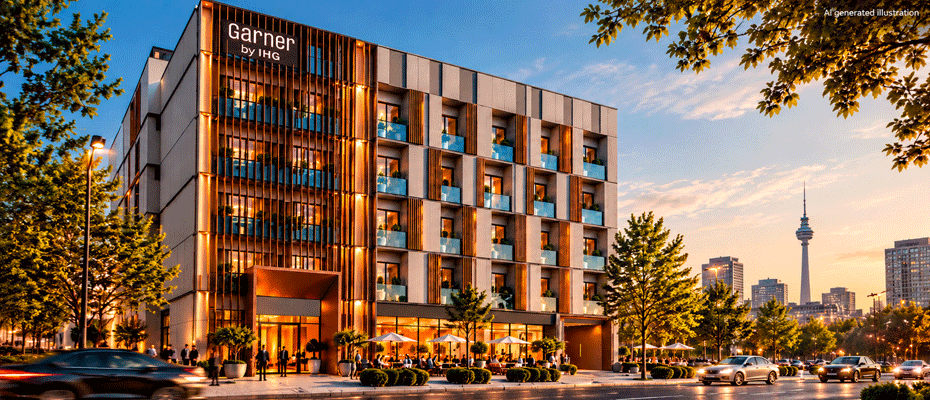
IHG brings Garner brand to Uzbekistan with new Tashkent hotel
The 100-room Garner Hotel Tashkent is scheduled to open in September 2027, marking the midscale brand's first property in Central Asia
 Read the News
Lufthansa introduces Allegris cabin on Munich–Singapore flights
The airline’s redesigned long-haul cabins are now available on the Singapore route, with the Airbus A350-1000 scheduled to join operations in December 2026
 Read the News
Malaysia to host cruise industry leaders at Seatrade Cruise Asia 2026
More than 28 major cruise lines and representatives from around 30 countries are expected to discuss Asia’s cruise growth, port infrastructure and changing passenger expectations in November
 Read the News
Radisson introduces Africa’s first Verified Net Zero hotel in South Africa
The 138-room safari hotel in Hoedspruit combines renewable electricity, electrified operations and waste reduction as Radisson targets 100 independently verified net zero properties by 2030
 Read the News
Indonesia: Snackpacking emerges as a new way to explore local food culture
Agoda reports strong growth in domestic accommodation searches for Manado, Jakarta and other Indonesian cities as younger travellers discover traditional snacks and street food
 Read the News
Spain’s International Airline Seat Capacity Rises to 9.1 Million in November
Turespaña reports a 1.3% year-on-year increase, with strong growth from Italy, Poland and Mexico offsetting declines in the British, German and French markets
 Read the News
Thailand sets five tourism priorities for 2027 with focus on higher-value travel
The Tourism Authority of Thailand is expanding wellness, festivals, creative experiences and sustainable tourism while strengthening quality and safety standards
 Read the News
Spain puts sustainable tourism at the centre of its 2030 strategy
At the sixth Turespaña Convention in Zaragoza, tourism leaders discussed climate resilience, international visitor spending and closer cooperation between public authorities and businesses
 Read the News
Germany Records Growth in International Tourism During Summer 2026
Foreign visitor overnight stays increased during the peak travel season, with Germany outperforming global tourism growth in the first half of the year
 Read the News
Türkiye Reports Record Tourism Revenue of $51.3 Billion in First Nine Months of 2026
Tourism earnings rise 2.4 percent as the country welcomes 49.1 million visitors, with Russia, Germany and the UK remaining its largest source markets
 Read the News
Phuket to Host Global Wellness Summit as Thailand Expands Health Tourism Strategy
The November gathering will bring around 600 international delegates to Thailand as the country promotes traditional healing, wellness travel and higher-value tourism
 Read the News
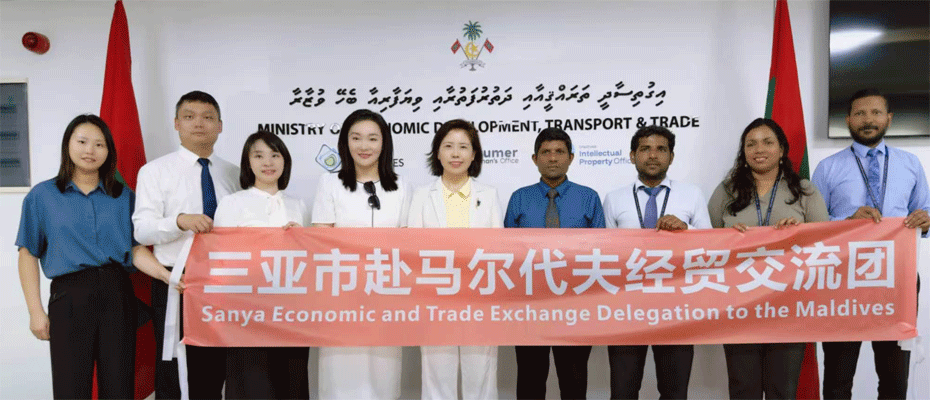
Sanya and Maldives Expand Cooperation in Marine Tourism and Trade
New agreements cover yacht services, fisheries and aquaculture as the Chinese resort city seeks stronger economic links with the Indian Ocean destination