Tourexpi

Spain puts sustainable tourism at the centre of its 2030 strategy
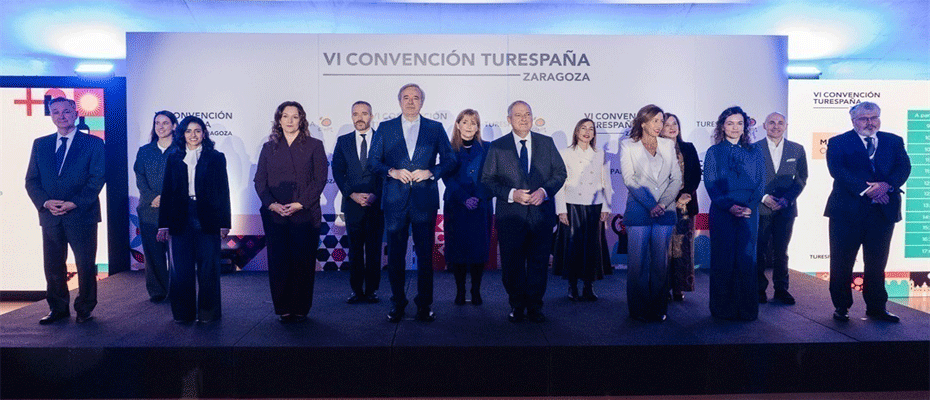
Spain is seeking to strengthen its international tourism position through a model that places economic performance alongside environmental protection and social responsibility. Opening the sixth Turespaña Convention in Zaragoza, Minister of Industry and Tourism Jordi Hereu called for stronger public governance and coordinated policies to guide the industry's development. He argued that tourism policy should not simply manage the sector's success but actively shape its transformation.
The discussion comes as Spain continues to record growth in international tourism. During the first eight months of 2026, spending by international visitors approached €100 billion, an increase of 8% compared with the corresponding period a year earlier. International arrivals were close to 70 million, representing growth of 5.4%. The stronger increase in expenditure than in visitor numbers is particularly relevant to Spain's efforts to develop a more sustainable tourism model.
Held from 20 to 22 October at Zaragoza's Palacio de Congresos, the convention brought together more than 500 representatives from public institutions and private tourism businesses. Under the theme Do You Speak Global? International Tourism as a Lever for Transformation, participants examined how international tourism can contribute to broader economic and territorial development while addressing environmental pressures and changing visitor expectations.
Climate adaptation and destination management
A central theme of the convention was the Spain Tourism 2030 Strategy, which seeks to strengthen the industry's long-term resilience and sustainability.
Secretary of State for Tourism Rosario Sánchez Grau emphasised the need for destinations to adapt more effectively to climate change. She also called for improved coordination between national, regional and local authorities to support more resilient tourism development.
During a discussion with Angela Varela, President of the Greek National Tourism Organisation, Sánchez highlighted Greece's experience in using environmental criteria to guide tourism zoning. The approach integrates tourism policy with environmental protection and land-use planning, providing a potential reference for destinations seeking a more balanced distribution of tourism activity.
For Spain, these questions are closely linked to the challenge of ensuring that the economic benefits of tourism reach both local communities and different regions of the country.
Hereu stressed that achieving this objective requires political consensus as well as clear decisions. In his view, active public policies are essential to ensure that tourism-generated prosperity benefits society more widely.
International promotion beyond visitor numbers
Turespaña Director General Miguel Sanz argued that international tourism management should be understood as a tool for developing a sustainable tourism economy rather than simply attracting increasing numbers of visitors.
He emphasised the importance of identifying international travellers whose visits can contribute positively to the transformation of Spain's tourism sector. This approach places greater weight on the characteristics and economic contribution of visitors within the country's international promotion strategy.
The convention also attracted senior representatives of international tourism organisations, including UN Tourism Secretary-General Shaikha Alnuwais and World Travel & Tourism Council President Gloria Guevara.
Other participants included Aragón regional president Jorge Azcón and Zaragoza mayor Natalia Chueca, reflecting the event's role in connecting national tourism policy with regional and local destination development.
More than 1,000 industry meetings
Beyond its conference programme, the annual Turespaña Convention serves as a platform for practical coordination between tourism authorities, destinations and businesses.
During a preparatory session, representatives of Turespaña's international network and central services held more than 1,000 meetings with tourism companies and destination organisations. These discussions focused on coordinating future initiatives within a joint activity plan involving Turespaña, regional and local administrations and private-sector partners.
The convention has been held annually since 2021, with previous editions addressing governance, sustainability, digitalisation and other strategic challenges facing Spanish tourism.
Zaragoza is the third inland destination to host the event, following Seville and Cáceres. Previous editions have also taken place in Barcelona, Donostia-San Sebastián and Arona on Tenerife.
By bringing together international promotion, climate adaptation and public-private cooperation, this year's convention placed the management of tourism growth at the centre of Spain's policy agenda. The discussions also reinforced the role of the Spain Tourism 2030 Strategy as a framework for coordinating the sector's future development.
Image Credit: © Government of Spain. Ministry of industry and tourism
The most interesting news
 Read the News

Princess Cruises expands Sanctuary Collection to five more ships
The cruise line is extending its premium accommodation concept across the Royal Class fleet, with the first new departures available from January 2027
 Read the News
Hilton introduces digital Pay with Points for hotel expenses
The new Hilton Honors feature allows elite members to redeem loyalty points against eligible hotel charges during mobile checkout, with a wider rollout planned for 2027
 Read the News
IHG and American Express Expand Premium Travel Benefits in China
A new partnership offers eligible Platinum Cardmembers elite hotel status, additional loyalty rewards and cashback incentives across selected properties
 Read the News
ROBINSON targets Vietnamese and South Korean travellers with tailored campaigns
TUI Group’s premium club resort brand is promoting ROBINSON NAM HOI AN through two distinct marketing strategies, with influencer partnerships and locally adapted digital content
 Read the News
Aruba Fashion Week Marks Its 10th Anniversary with Iberostar Partnership
The November 2026 event will bring international designers, Caribbean creativity and luxury hospitality together across two venues in Aruba
 Read the News
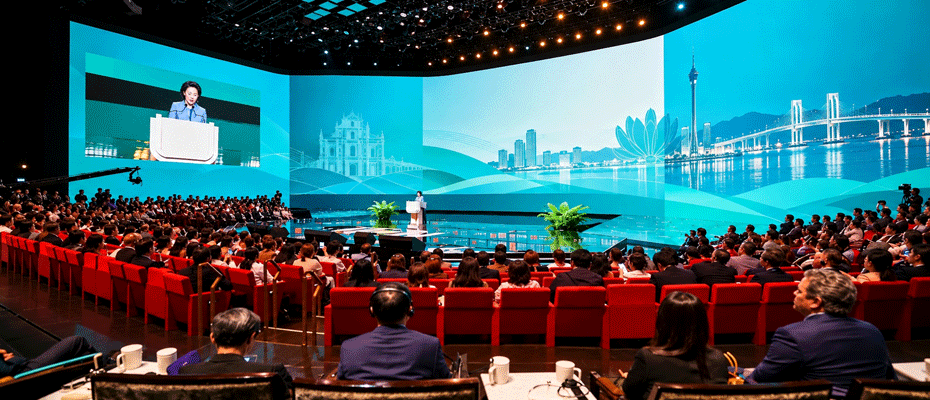
Global Tourism Economy Forum in Macao strengthens international tourism cooperation
The 2026 edition brought together around 1,300 participants and generated more than 1,000 business matchmaking contacts, with Hainan set to host the next forum in 2027
 Read the News
Holland America Line marks 80 years in Alaska with new heritage tour collection
More than 35 excursions celebrating Alaska’s railways, glaciers, wildlife and cultural history will be available on selected cruises and land-and-sea journeys in 2027
 Read the News
Shanghai’s St. Regis on the Bund Earns Michelin Key on Second Anniversary
The luxury hotel celebrates two years with international recognition, new suites and an expanded focus on gastronomy and cultural experiences
 Read the News
Kempinski and BTG Hotels plan to deepen luxury hospitality partnership in China
The two hotel groups aim to expand their cooperation through new luxury hotel projects, additional investment in operational resources and opportunities in international markets
 Read the News
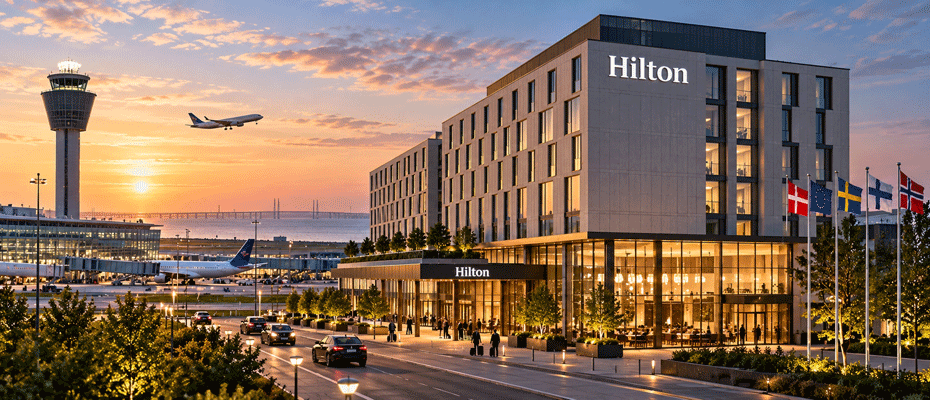
Hilton and Scandic agree on hotel expansion across the Nordics
The strategic partnership covers four Nordic countries, with a 284-room Hilton hotel near Copenhagen Airport scheduled to open in 2029
 Read the News
Spain’s tourism economy set to exceed €269 billion in 2026
WTTC raises its growth forecast to 4.1%, with Spain outperforming European and global tourism markets as international spending reaches record levels
 Read the News
IHG reaches milestone of 1,000 hotels across Europe
The hotel group has expanded its European portfolio by more than 25% in three years and has over 280 additional properties in development
 Read the News
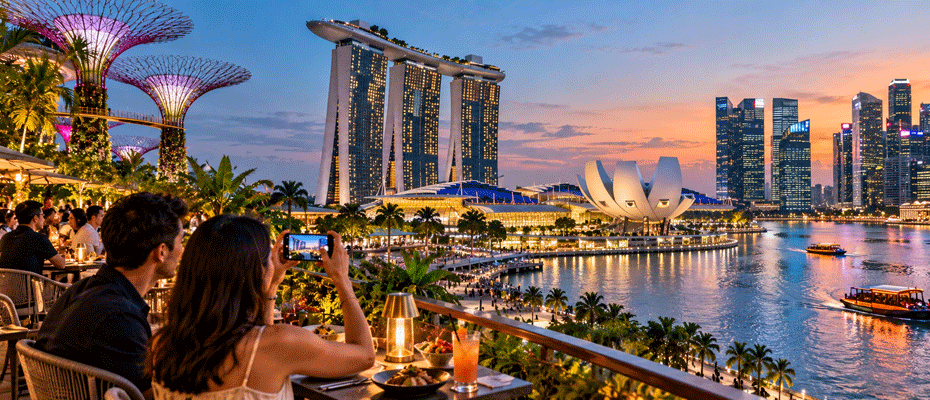
Visa and Singapore Tourism Board Launch Three-Year Tourism Partnership
The collaboration will introduce exclusive visitor experiences, data-driven marketing and new initiatives to encourage international travellers to explore Singapore
 Read the News
Lufthansa Group launches first consumer campaign under its umbrella brand
The “Greatness is a Group effort” campaign highlights the benefits of an integrated airline network while preserving the individual identities of its carriers
 Read the News
TUI River Cruises launches Danube cruise with Hungarian Grand Prix tickets
The seven-night sailing aboard TUI Maya in July 2027 combines Vienna, Bratislava and Budapest with three days of grandstand access at the Hungaroring
 Read the News
Tourism employment in Spain exceeds three million in September
Tourism-related employment rises by 4.7% year on year, with hospitality driving growth and the Valencian Community recording the strongest regional increase
 Read the News

Thailand targets high-value tourism with new wellness strategy for 2027
At ITB Asia in Singapore, the Tourism Authority of Thailand is promoting wellness, emerging destinations and new partnerships as it shifts its focus from visitor numbers to tourism value
 Read the News
Kimpton launches global culinary programme with secret menus and chef-led experiences
The IHG luxury and lifestyle brand introduces The Curious Palate, bringing locally inspired dining, international chef collaborations and new food experiences to its hotels worldwide
 Read the News
Belavia Launches Direct Flights from Minsk to Bangkok and Phuket
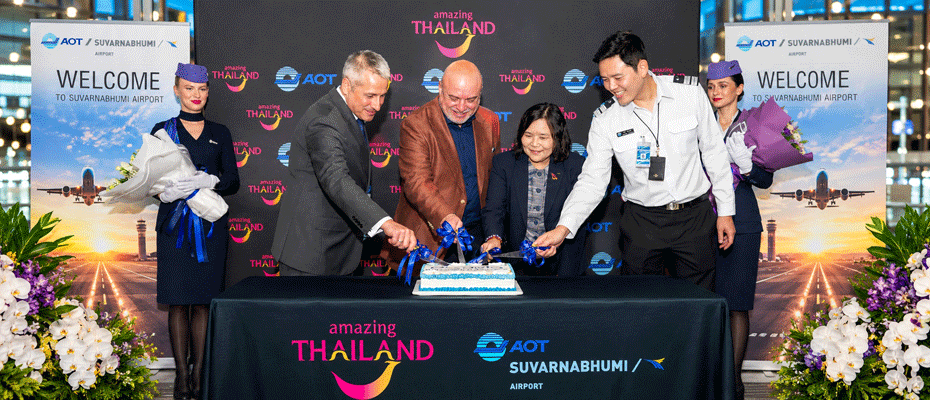
Thailand strengthens its connections with Eastern Europe as the Belarusian airline introduces scheduled long-haul services for the winter season
 Read the News
JETOUR Expands Travel+ Ecosystem with Smart Mobility and Outdoor Experiences
The Chinese automaker is combining intelligent vehicle technology, off-road capabilities and conservation initiatives to develop new approaches to independent travel
 Read the News
Lufthansa launches nonstop flights between Frankfurt and Kuala Lumpur
The new year-round service operates five times weekly with Boeing 787-9 aircraft, introducing Lufthansa’s Allegris cabin to Malaysia