Tourexpi

Rixos Chairman Fettah Tamince Calls for a New Tourism Strategy in Türkiye
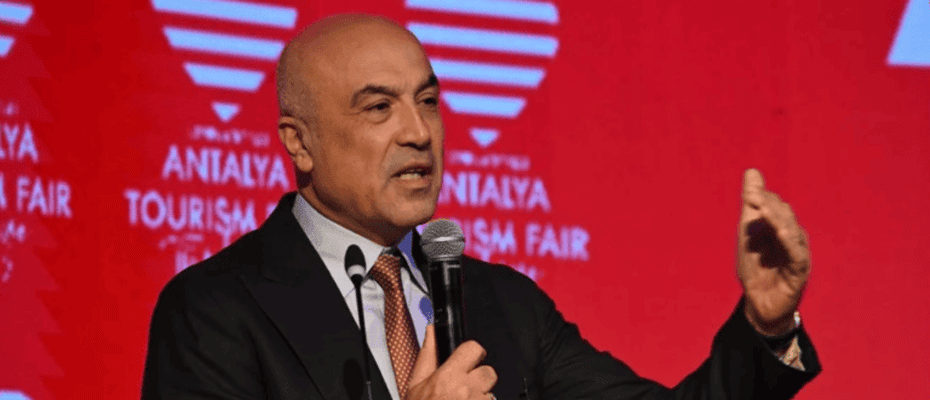
At the Antalya Tourism Fair 2026, Rixos Hotels founder and Chairman Fettah Tamince called for a fundamental shift in Türkiye’s tourism strategy, urging the industry to prioritize higher revenue per visitor, innovative tourism products, and investment beyond established holiday destinations. He also warned of growing labor shortages and intensifying competition from Egypt, Vietnam, and Saudi Arabia.
According to Fettah Tamince, Türkiye’s tourism industry has reached a decisive turning point. Speaking at the Antalya Tourism Fair (ATF26), held from October 26 to 28 at the ANFAŞ Exhibition Center, the Rixos founder challenged the industry’s traditional growth model during his keynote address, “The Global Journey of Turkish Tourism.”
Over the past four decades, Türkiye has built an extraordinary tourism success story. However, Tamince argued that the traditional approach of continuously building more hotels and pursuing ever-higher visitor numbers is no longer sufficient to address the challenges ahead. He called for a strategic shift toward higher quality, greater value creation, innovative tourism products, and a more balanced geographical distribution of tourism development.
$100 Billion in Revenue from 50 Million Visitors
Perhaps the most striking statement in Tamince’s speech concerned the long-term revenue targets of Türkiye’s tourism industry. He argued that the economic success of a destination should no longer be measured primarily by the number of visitors it attracts.
Instead of aiming for 100 million tourists, Türkiye should pursue the goal of generating $100 billion in tourism revenue from 50 million visitors — or potentially even fewer in the longer term. This would require a substantial increase in average revenue per visitor.
Tamince stressed that Türkiye must increasingly target higher-spending travelers and develop tourism products characterized by quality, individuality, and distinctive experiences. Countries such as Italy and Spain demonstrate that high-end tourism offerings can generate substantial revenues even with relatively limited accommodation capacity.
For Türkiye, the challenge is now to transform the expertise accumulated over decades into more sophisticated, differentiated, and higher-value tourism products.
Antalya Does Not Need More Hotels
The Rixos chairman also questioned the industry’s existing investment policies. In his view, Antalya does not need a continuous expansion of hotels offering nearly identical concepts, nor should enlarging existing resorts remain a primary investment objective. Concentrating similar large-scale resorts in a limited number of coastal destinations could ultimately lead to increasingly price-driven competition.
Tamince therefore called for greater investment in upgrading existing properties and developing innovative tourism concepts. The priority, he argued, should not be to build another hotel, but to create distinctive products that stand apart from the competition.
He also advocated a more targeted regional investment strategy. As an example, he highlighted Saklıkent in Antalya’s hinterland, where additional accommodation facilities could make economic sense. Rather than further increasing capacity in already highly developed coastal regions, investors should explore locations with untapped tourism potential.
Beyond the Four-Month Tourism Season
Extending the tourism season and distributing tourism activity more widely across the country were among the central themes of Tamince’s address. He argued that Turkish tourism remains too heavily concentrated in traditional coastal destinations and a relatively short summer season, a structure he believes must change.
Tamince pointed to Italy as an example of how tourism revenues can be distributed across numerous regions, cities, and different forms of travel. Türkiye possesses comparable assets, including historic cities, ancient archaeological sites, the mountains and highlands of the Black Sea region, Anatolia’s diverse natural landscapes, and an exceptionally rich culinary heritage. However, these assets must be translated more effectively into commercially attractive tourism products.
Even Antalya itself, he noted, has substantial untapped cultural potential, particularly in its historic Kaleiçi district. At the same time, Tamince warned against excessive tourism concentration in a small number of destinations. The debates surrounding overtourism in European cities such as Barcelona demonstrate the importance of balancing economic success with residents’ quality of life.
Health Tourism and Healthy Aging as Growth Markets
Tamince sees particularly significant opportunities in the growing international demand for preventive healthcare, wellness, healthy aging, and extended stays. Europe’s demographic transformation, especially its aging population, presents new possibilities for Türkiye’s tourism industry.
The country’s existing hotel infrastructure, favorable climate, medical services, and agricultural diversity could be combined to develop internationally competitive health, wellness, and wellbeing concepts. Tamince called for specialized facilities focused on healthy aging, supported by appropriate government incentives.
Such investments should go beyond simply adding spa facilities to existing hotels. Instead, they should create independent, high-value tourism products with distinctive positioning. He also emphasized the potential of combining regional agriculture, healthy nutrition, and gastronomy into integrated tourism experiences.
Developing these products could help reduce the industry’s strong dependence on the summer months while attracting new categories of international visitors.
Labor Shortages Could Threaten Hotel Operations
Alongside investment policy, Tamince identified the labor market as one of the industry’s most significant challenges in the years ahead. Türkiye, he argued, is no longer a traditional low-cost labor market. At the same time, declining birth rates and demographic changes are affecting the future availability of workers.
The hotel entrepreneur warned that operating large, labor-intensive resort complexes could become considerably more difficult. Within five years, finding sufficient employees for the hotel industry may become an increasingly serious challenge, while the current reliance on foreign workers may not remain sustainable at the same level.
Tamince therefore urged the industry to adopt long-term workforce strategies and invest more heavily in productivity, training, employee retention, and efficient operating models. In his view, continued expansion of hotel capacity without an appropriate workforce strategy would create substantial economic risks.
Egypt, Vietnam, and Saudi Arabia Are Catching Up
Turning to international competition, Tamince warned against underestimating emerging and rapidly expanding tourism destinations.
Vietnam is investing heavily in tourism infrastructure and is partly drawing on development models successfully implemented over several decades in Türkiye and Spain. According to Tamince, Vietnam is seeking to achieve major stages of this development process within a much shorter timeframe.
Egypt is also emerging as an increasingly powerful competitor, supported by its year-round tourism climate, historic attractions, and substantial new investments. Significant capital from the United Arab Emirates and Qatar is flowing into Egyptian tourism projects.
Saudi Arabia, meanwhile, is investing billions in new Red Sea destinations, airports, tourism infrastructure, and international hotel brands. These countries are developing their tourism industries through long-term strategies backed by considerable financial resources.
Türkiye, Tamince warned, cannot simply assume that its current market position will remain secure in the future.
Turkish Hotel Brands Should Expand Globally
Despite intensifying competition, Tamince sees major international growth opportunities for Turkish tourism companies. Over the past four decades, Türkiye has developed extensive expertise in hospitality, tour operating, aviation, and destination management. This know-how is now in demand across numerous international markets.
Tamince pointed to the global expansion of his own business group, which, according to his statements, operates in 24 countries. Alongside Rixos, brands such as The Land of Legends and Aliée are also being developed as part of the group’s international expansion strategy.
Several countries are actively seeking to attract Turkish tourism companies as investors or operators, sometimes offering land allocations, infrastructure support, and financing opportunities. Tamince encouraged Turkish businesses to seize these opportunities and further internationalize their operations and business models.
International Investment Funds as a Source of Financing
Another key point in Tamince’s speech concerned the financing of future tourism investments. According to his estimates, major international investment funds allocate approximately $60 billion to $70 billion annually to tourism-related projects and real estate.
Türkiye’s tourism industry, he argued, should become more accessible to these sources of capital. This would require professional corporate structures, transparent investment models, and closer cooperation with international financial centers.
Tamince identified London, New York, Dubai, Hong Kong, and Singapore as potential gateways to global capital markets. He believes that Türkiye’s tourism sector has now accumulated sufficient experience, business expertise, and economic strength to position itself more prominently within international investment markets.
Stepping Outside the Comfort Zone
Concluding his address, Tamince reflected on the numerous crises that Türkiye’s tourism industry has overcome over the past decades. Both the difficult circumstances of 2016 and the COVID-19 pandemic presented the sector with major, at times existential, challenges.
However, past achievements should not become an excuse for maintaining outdated business models. Rising operating costs, labor shortages, growing international competition, and changing guest expectations all require a new long-term strategy.
Tamince urged the industry to begin laying the foundations today for the next 40 years of Turkish tourism.
His central message was clear: The future of Turkish tourism does not lie in endlessly expanding hotel capacity, but in generating higher revenue per guest, developing innovative tourism products, building strong international brands, and creating a tourism economy that benefits a broader range of regions across the country.
Image Credit: Fettah Tamince © Courtesy of GM Dergi
The most interesting news
 Read the News

Bedsonline+ launches integrated travel packages for advisors in North America
The new PerfectStay-powered solution allows travel advisors to book flights, hotels and experiences through a single platform, with expansion to European markets planned
 Read the News
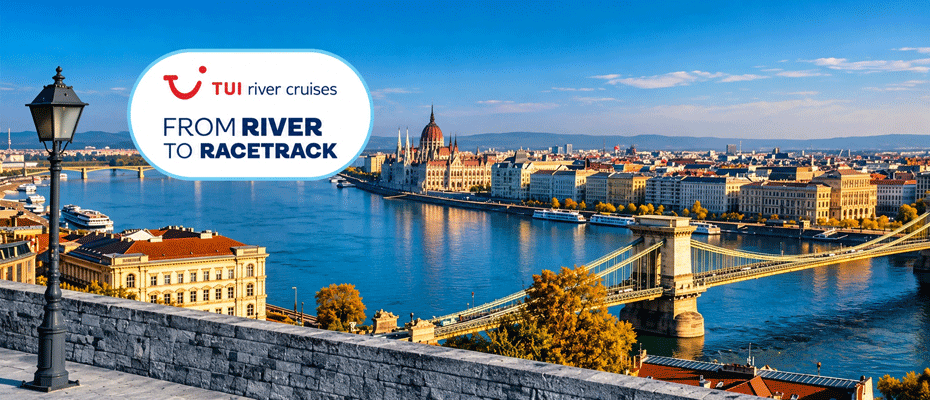
TUI River Cruises launches Danube cruise with Hungarian Grand Prix tickets
The seven-night sailing aboard TUI Maya in July 2027 combines Vienna, Bratislava and Budapest with three days of grandstand access at the Hungaroring
 Read the News
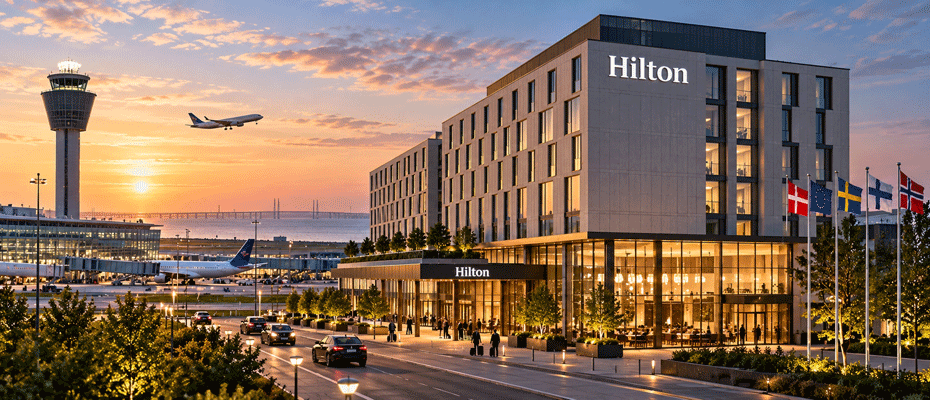
Hilton and Scandic agree on hotel expansion across the Nordics
The strategic partnership covers four Nordic countries, with a 284-room Hilton hotel near Copenhagen Airport scheduled to open in 2029
 Read the News
Spain’s tourism economy set to exceed €269 billion in 2026
WTTC raises its growth forecast to 4.1%, with Spain outperforming European and global tourism markets as international spending reaches record levels
 Read the News
IHG reaches milestone of 1,000 hotels across Europe
The hotel group has expanded its European portfolio by more than 25% in three years and has over 280 additional properties in development
 Read the News
Lufthansa launches nonstop flights between Frankfurt and Kuala Lumpur
The new year-round service operates five times weekly with Boeing 787-9 aircraft, introducing Lufthansa’s Allegris cabin to Malaysia
 Read the News

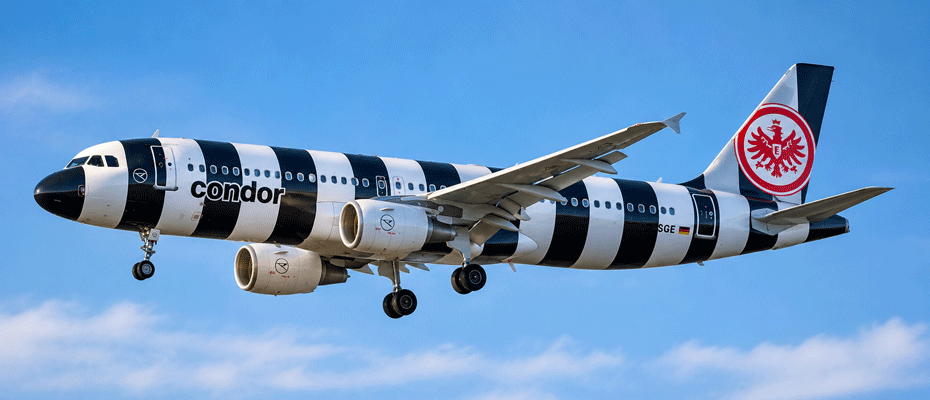
Condor to introduce new Eintracht Frankfurt aircraft with fan-selected registration
An Airbus A320neo will replace the current Eintracht-branded aircraft in spring 2027, retaining its black-and-white design while offering 180 seats
 Read the News
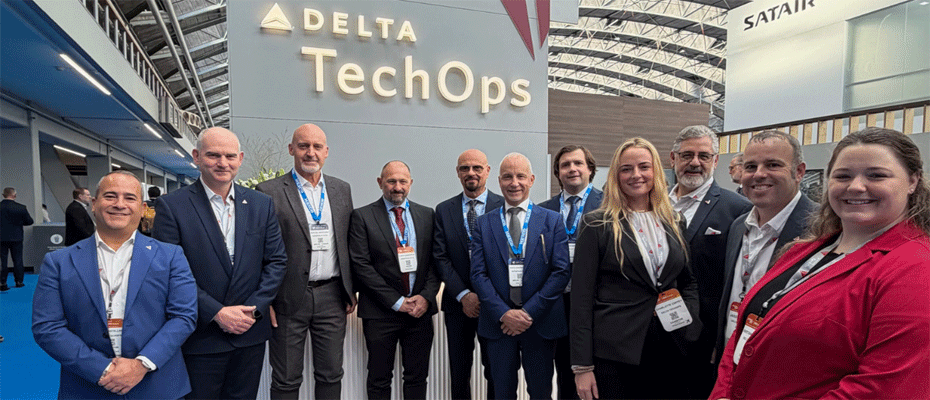
Aeroitalia selects Delta TechOps to support its Boeing 737 fleet
The agreement combines component maintenance, spare parts access and technical support to improve aircraft availability as the Italian airline expands its operations
 Read the News
Visa and Singapore Tourism Board Launch Three-Year Tourism Partnership
The collaboration will introduce exclusive visitor experiences, data-driven marketing and new initiatives to encourage international travellers to explore Singapore
 Read the News

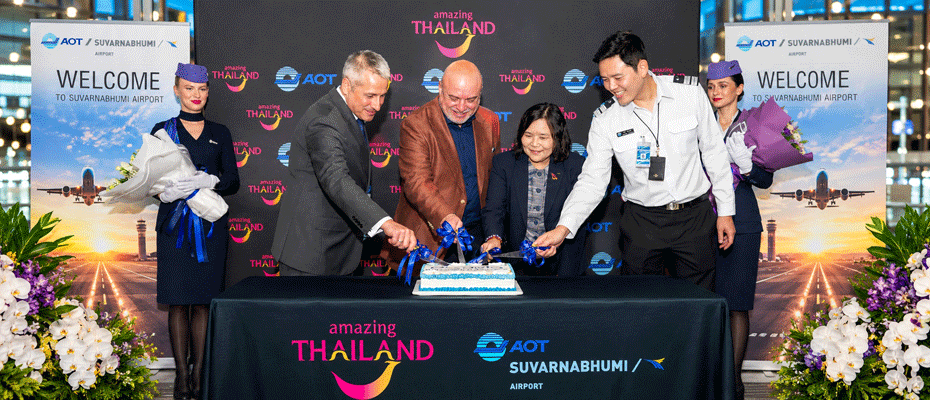
Belavia Launches Direct Flights from Minsk to Bangkok and Phuket
Thailand strengthens its connections with Eastern Europe as the Belarusian airline introduces scheduled long-haul services for the winter season
 Read the News
Lufthansa introduces Allegris cabin on Munich–Singapore flights
The airline’s redesigned long-haul cabins are now available on the Singapore route, with the Airbus A350-1000 scheduled to join operations in December 2026
 Read the News
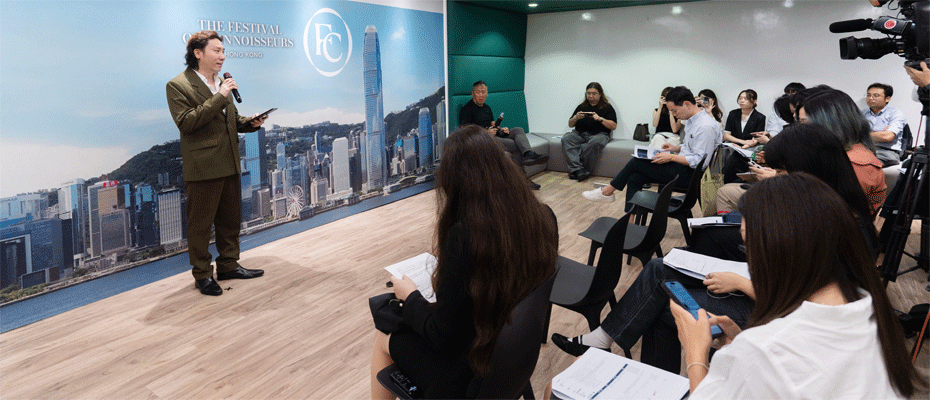
Hong Kong launches new luxury lifestyle exhibition in November
The Festival of Connoisseurs will combine premium travel, superyachts and luxury brands with public events across Victoria Harbour, AsiaWorld-Expo and Discovery Bay
 Read the News
Malaysia to host cruise industry leaders at Seatrade Cruise Asia 2026
More than 28 major cruise lines and representatives from around 30 countries are expected to discuss Asia’s cruise growth, port infrastructure and changing passenger expectations in November
 Read the News
Radisson introduces Africa’s first Verified Net Zero hotel in South Africa
The 138-room safari hotel in Hoedspruit combines renewable electricity, electrified operations and waste reduction as Radisson targets 100 independently verified net zero properties by 2030
 Read the News
Kimpton launches global culinary programme with secret menus and chef-led experiences
The IHG luxury and lifestyle brand introduces The Curious Palate, bringing locally inspired dining, international chef collaborations and new food experiences to its hotels worldwide
 Read the News
Indonesia: Snackpacking emerges as a new way to explore local food culture
Agoda reports strong growth in domestic accommodation searches for Manado, Jakarta and other Indonesian cities as younger travellers discover traditional snacks and street food
 Read the News
JETOUR Expands Travel+ Ecosystem with Smart Mobility and Outdoor Experiences
The Chinese automaker is combining intelligent vehicle technology, off-road capabilities and conservation initiatives to develop new approaches to independent travel
 Read the News
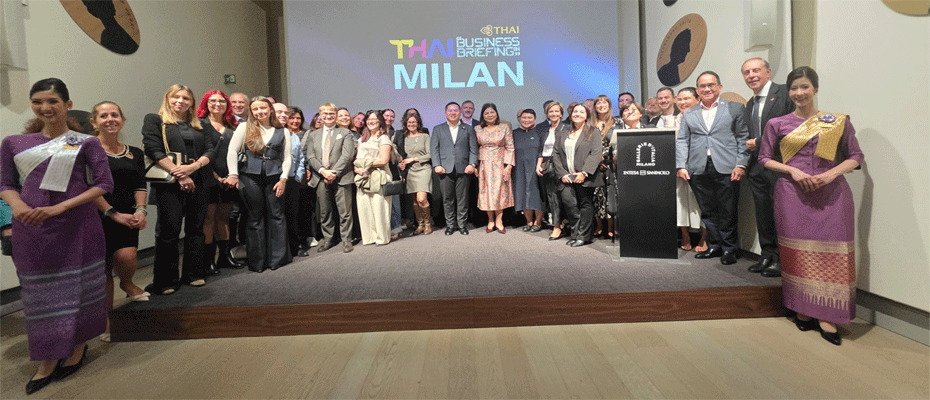
Thailand targets higher-spending Italian travellers through new tourism partnerships
Following TTG Travel Experience in Rimini, Thailand is expanding cooperation with airlines and tour operators to promote premium holidays, wellness and year-round travel
 Read the News
Thailand sets five tourism priorities for 2027 with focus on higher-value travel
The Tourism Authority of Thailand is expanding wellness, festivals, creative experiences and sustainable tourism while strengthening quality and safety standards
 Read the News
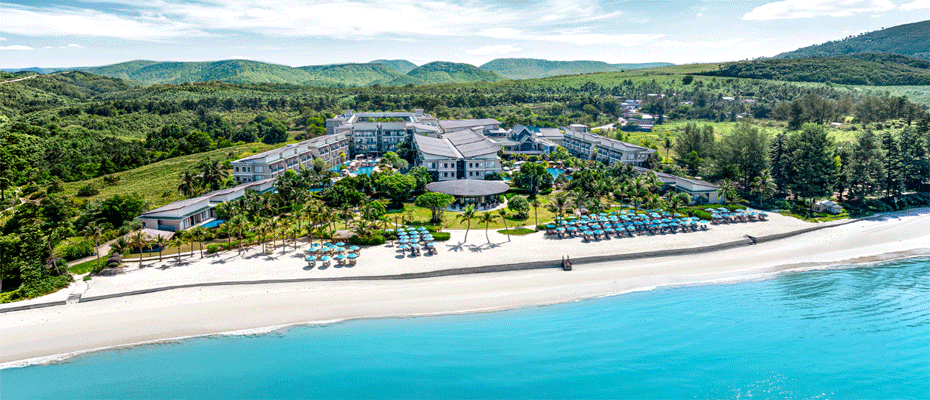
Le Méridien Khao Lak introduces beachfront stay and dining package in Thailand
The resort on Bangsak Beach combines daily dining benefits with family activities, wellness facilities and direct access to the Andaman coast
 Read the News
Spain puts sustainable tourism at the centre of its 2030 strategy
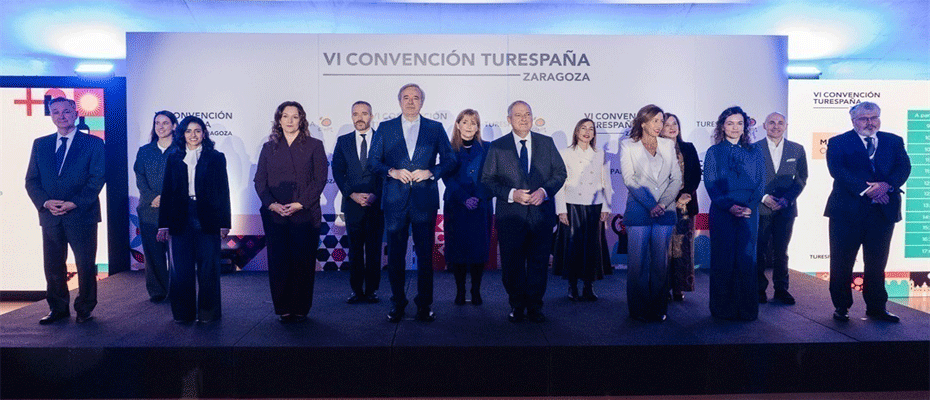
At the sixth Turespaña Convention in Zaragoza, tourism leaders discussed climate resilience, international visitor spending and closer cooperation between public authorities and businesses