Tourexpi

Artificial Intelligence: The rise of the all-rounders

Anyone who relies exclusively on the capabilities of artificial intelligence when planning their holiday still needs to be a little daring at the moment. The information generated by the technology based on individualised booking requests is not always perfect, but in many cases, it already offers an alternative to conventional booking methods. An author for the trade journal Wired, who relied on ChatGPT's operator to book a weekend trip to Bruges, comes to an overall positive conclusion. The AI-based compilation of her trip, including train bookings, hotel reservations, restaurant and cultural tips, did not always produce the desired results, but ultimately proved to be an attractive alternative to the laborious process of researching booking platforms and search engines herself. In other words, adventurous holidaymakers can already save a lot of time and hassle, and often money, when booking by using AI.
The findings show the direction in which the tourism business will develop in the near future. As in other industries, AI is also setting new standards in the travel market. AI agents are now not only able to put together holiday trips on behalf of their customers, but also to book them autonomously. These new all-rounders are changing consumer habits and competitive structures, making them the next big game changer for the industry.
Whether it's travel planning, booking or inspiration, artificial intelligence is playing an increasingly important role in tourism.
Consumer acceptance is growing steadily
According to a survey by the market research institute YouGov, 58 percent of Germans can now imagine using AI when planning their holidays. This applies, for example, to searching for activities and sights or for support with communication and translations. Around one in four holidaymakers can also imagine using AI to create an individual travel plan or to help them decide on their destination.
Not all players in the tourism industry are prepared for this radical change. According to a study commissioned by ITB as part of the ITB Berlin Congress 2025, medium-sized providers in particular face considerable obstacles in this area. One in three of the companies surveyed stated that they do not have sufficient specialist staff to implement AI structures. Data protection and security concerns, ethical aspects and psychological barriers such as fear and uncertainty are contributing to a lack of necessary investment in AI technology. In many places, the existing IT infrastructure still seems to be functioning, so restructuring is being postponed to the distant future.
This hesitation could prove fatal. The number of powerful AI agents is constantly growing. The dynamic provider market is bustling with ambitious newcomers such as OneAir and Mindtrip, but also developments from large companies such as Chat GPT operators or Google's Gemini Agent Mode. Some of these tools are now capable of booking even complex and individual requests.
Dynamic development in Asia and North America
A look at the travel markets in North America and Asia also shows the pace at which AI is revolutionising the rules of the tourism business. While data and consumer protection regulations are still slowing down the pace of investment within the EU, AI applications are already part of everyday tourism in large parts of Asia, partly due to a younger and more adaptable population. Against this backdrop, industry observers advise increasing investment immediately: ‘It's about understanding and testing the opportunities associated with AI,’ emphasises Mitra Sorrels, senior vice president at the market research company Phocuswright.
Europe's largest tourism group, TUI, demonstrates how to successfully introduce AI to its own workforce: for some time now, employees there have had the opportunity to build their own personal AI assistants without any expert knowledge of their own and to utilise the potential of the new technology in their daily working environment. In this way, several thousand employees have created more than 400 individual AI assistants, which are shared via an internal company platform. The ‘TUI AI Assistant Store’ is open to all employees, enabling extensive synergy effects to be achieved. ‘It was important to us to have a solution that is easy for everyone to use and guarantees maximum security. We need to experiment with AI and can't wait until complete solutions are available. We need to take small steps, learn, conduct tests with users and look for ways to apply it as quickly as possible,’ emphasises Pieter Jordaan, CIO of the TUI Group.
SEO optimisation is a thing of the past
Such projects can help companies keep up in a digital market where AI is changing the competitive landscape. Travel providers who want to remain digitally successful in the future will have to adapt to completely new rules. Above all, it is time to gradually move away from the SEO optimisation of their own offerings that has been the norm up to now. Keywords are becoming less relevant in the AI-dominated travel world. Instead of appearing in Google search results rankings, success in the future will lie more in being present in the answers provided by AI agents and AI overviews. Clearly structured data and open access help AI to find you. "What counts is human and precise language, which AI also strives for. Texts should be well structured, ideally in the form that AI also uses, for example as well-formulated FAQ lists for AI assistants," recommends Dirk Rogl, managing director of the consulting firm Travel.Commerce.
Picture Credit: © ITB
The most interesting news
 Read the News

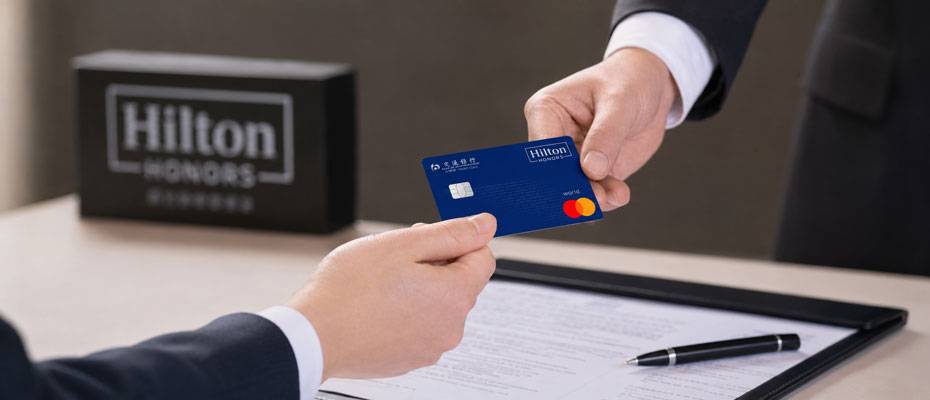
Hilton launches co-branded Mastercard credit cards in China
Partnership with Bank of Communications links everyday spending to Hilton Honors benefits, hotel stays and travel rewards at more than 9,400 properties worldwide
 Read the News
Europe: Social media increasingly shapes how travellers choose and experience trips
TUI Musement research finds 39% have visited a tourist attraction mainly to create social media content, while viral posts increasingly influence bookings
 Read the News
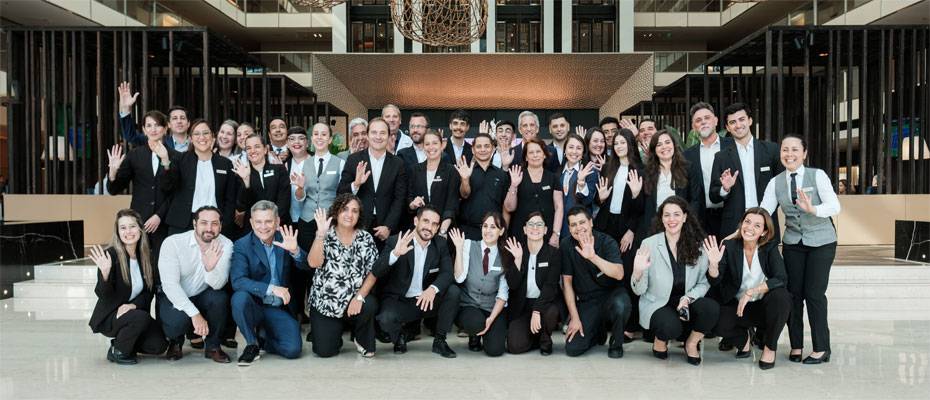
Latin America: Hilton expands workforce as hotel pipeline grows
Hilton employs more than 26,000 people across the region and plans over 150 additional hotels as it ranks first among Latin America’s best workplaces
 Read the News
IHG and Live Nation link hotel stays with concert experiences in Greater China
IHG One Rewards members will gain access to hotel and concert packages in Hong Kong and Taiwan as the hotel group expands its loyalty programme into live entertainment
 Read the News

Germany: Domestic travel reaches record high in 2025
German travelers took 169 million overnight domestic trips, while international travel declined sharply and business travel almost returned to pre-pandemic levels
 Read the News
Florida: Orlando extends Halloween season to a record 94 days
From theme park horror nights to family festivals and live entertainment, Orlando will celebrate Halloween from August 7 through November 8
 Read the News
Europe captures one-third of global leisure travel spending
Travelers spent $2 trillion on leisure trips in Europe in 2025, while Italy, Spain and Türkiye are expected to drive further growth as Southern Europe strengthens its global tourism position
 Read the News
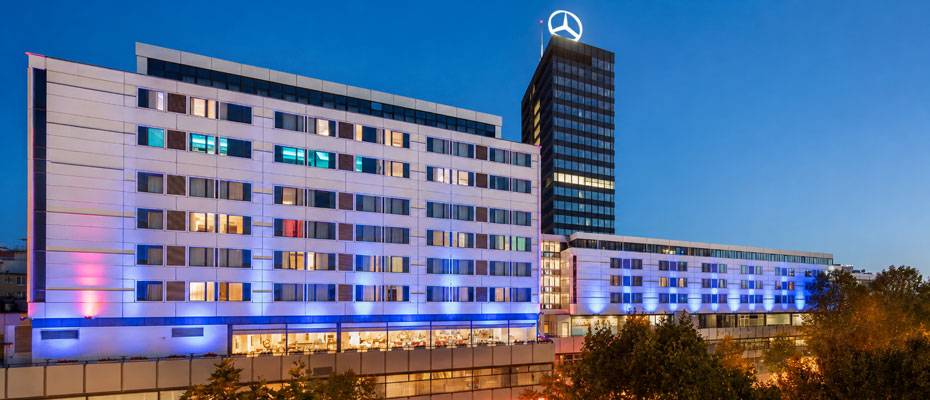
Hotel Palace Berlin to become Hyatt Regency in 2027
The 278-room City West property will undergo a phased renovation before joining Hyatt Regency and World of Hyatt in early 2027
 Read the News
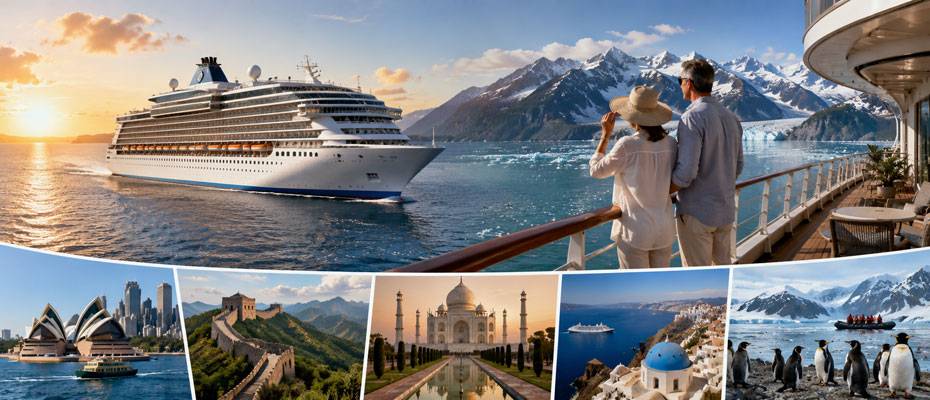
World cruise bookings rise as luxury travellers seek longer journeys
Pavlus Travel & Cruise reports bookings up more than 20 percent for 2026 as new routes, remote destinations and improved onboard connectivity broaden the appeal of months-long voyages
 Read the News
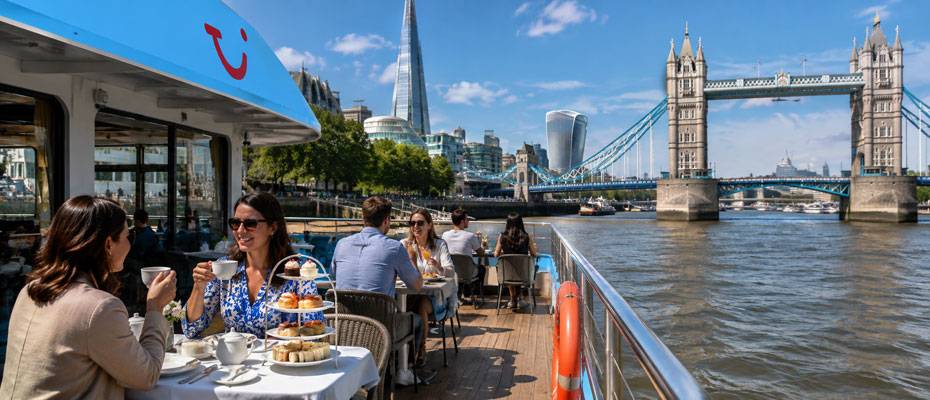
TUI Musement launches premium dining cruises on London’s Thames
Four new cruise experiences combine views of the British capital with afternoon tea, brunch, dinner and coffee, with prices starting at £22 per person
 Read the News
Atlas Ocean Voyages turns solar eclipse into expedition experience
Guests aboard three expedition yachts witnessed totality from the Mediterranean and North Atlantic after more than two years of planning
 Read the News

Egyptian Tourism Authority joins WTTC as Destination Partner
New partnership aims to strengthen public-private cooperation, support sustainable tourism growth and raise Egypt’s profile among travelers and investors
 Read the News
Global: Hilton retains title as world’s most valuable hotel brand
Brand Finance values Hilton Hotels & Resorts at $19.2 billion, up 28 percent year on year, while nine Hilton brands make the Hotels 50 ranking
 Read the News
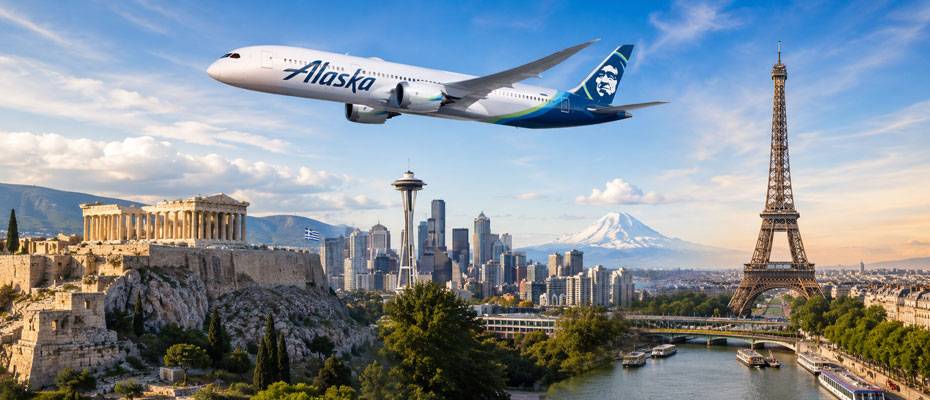
Alaska Airlines adds nonstop Seattle flights to Athens and Paris
New Boeing 787-9 services will launch in May 2027 as Alaska Airlines expands Seattle into a major intercontinental hub
 Read the News
Germany: Eurowings rolls out Premium BIZ Seat across A320neo fleet
New 2x2 premium seating will be available on selected Mallorca, Málaga and London services and on all Eurowings flights to Dubai from December 2026
 Read the News
Germany: Lufthansa adds hot meals to Economy pre-order menu
Five hot dishes join Onboard Delights from September, while long-haul Business Class passengers gain a wider choice of pre-selected meals
 Read the News
Shanghai: Disney Resort packs autumn with Duffy Month and Halloween
The resort combines new Duffy and Friends experiences, LinaBell’s fifth anniversary and an expanded Halloween season with its 10th birthday celebrations
 Read the News
Asia: Thailand leads European summer travel searches as Vietnam gains ground
Agoda data puts Thailand ahead of Indonesia and Japan, while India, South Korea and Vietnam record the strongest growth in European search interest
 Read the News

Thailand targets high-value Chinese travelers with regional campaigns
Wellness in eastern China, sports tourism in the west and family travel in the north form part of a more targeted strategy as Thailand aims for over five million Chinese arrivals in 2026
 Read the News
Hainan looks beyond its beaches with rainforest and hot spring tourism
Qixianling in central Hainan combines a year-round mountain climate with rainforest hiking, geothermal springs and golf as Baoting expands its wellness tourism offer
 Read the News
China launches first SAF compliance service for foreign business jets
New model at Beijing Capital International Airport gives foreign-registered business jets access to sustainable aviation fuel benefits without changes to existing refuelling infrastructure