Tourexpi

DRV welcomes National Tourism Strategy as a clear signal for the travel industry

With the adoption of the National Tourism Strategy,
the German federal cabinet has sent a strong signal recognising the importance
of the travel and tourism industry. The German Travel Association (DRV) has
expressly welcomed the decision, viewing it as an important framework for the
future development of tourism in Germany, both domestically and in outbound
travel markets.
As the leading association representing outbound
tourism, the DRV sees the strategy as an acknowledgement of organised travel as
a core pillar of the German economy. In particular, the focus on
competitiveness and the reduction of bureaucratic burdens addresses key
challenges facing the sector and creates the conditions for sustainable growth
in an increasingly competitive international environment.
Tourism as a driver of growth and competitiveness
“The National Tourism Strategy underlines the
importance of tourism and organised travel as a key growth sector and a
cornerstone of the German economy,” said DRV President Albin Loidl. For
outbound travel, the political commitment sends an important signal, as
international travel continues to represent the core business of the travel
industry. Strengthening the international competitiveness of German travel
providers therefore remains essential.
In this context, the DRV also welcomes the inclusion
of further development of insolvency protection via the German Travel Security
Fund. The stated objective of reducing cost contributions for protected tour
operators is seen as a meaningful step towards easing the financial burden on
companies. “That this objective is now anchored in the National Tourism
Strategy is something we welcome wholeheartedly on behalf of the industry,”
Loidl added.
Infrastructure, mobility and international
connectivity
From the DRV’s perspective, strengthening tourism and
transport infrastructure is a central element of the strategy. Efficient
transport links, both in air travel and at cruise ports, not only facilitate
travel within Germany but also improve access to international destinations.
This benefits leisure and business travel alike, both of which are of major
importance to Germany’s economic performance as a travel hub.
The association also views the clear commitment to
aviation and competitive location conditions as an important step. Planned
measures to reduce security charges and location-related costs are expected to
strengthen the international competitiveness of German airlines and travel
providers, while safeguarding Germany’s long-term role as a key mobility hub.
Sustainability, digitalisation and skilled labour
The DRV also identifies positive impulses for the
cruise sector. Investments in shore power facilities and port infrastructure
provide the basis for more environmentally responsible cruise operations and
help align ecological requirements with economic development. These measures
are complemented by plans to accelerate visa procedures, which represent a
decisive competitive advantage for international travel.
At European level, the DRV welcomes the approach of a
low-bureaucracy Package Travel Directive. The deliberate avoidance of
additional national regulatory burdens, combined with stronger European
coordination, creates planning certainty for businesses and consumers alike. At
the same time, digital tools and modern technologies open up new efficiency
potential, including innovative identity solutions and targeted use of data.
Another key focus lies on attracting skilled labour
and enabling more flexible working models. Securing qualified staff for the
tourism sector and adapting working hours more closely to operational realities
are seen as crucial for long-term stability across the industry.
Implementation as the decisive factor
“The strategy adopted now strikes a balance between
growth, quality and sustainability, thereby strengthening the position of the
outbound travel sector and its international partners,” Loidl said. The
decisive factor will be the timely and consistent implementation of the
announced measures. The DRV will continue to rely on close dialogue with
policymakers, associations and experts to develop practical solutions and to
secure the long-term future viability of the German travel industry.
Image Credit: © Tourexpi
The most interesting news
 Read the News

Global tourism growth slows to 0.4% in first half of 2026
UN Tourism reports 690 million international arrivals as conflict in the Middle East, higher travel costs and inflation weigh on demand
 Read the News

Turkey: Medieval fair brings fantasy and history to Cappadocia
Thousands of enthusiasts gather in Ürgüp as costumes, mythology and Cappadocia’s dramatic landscape create a journey into another era
 Read the News
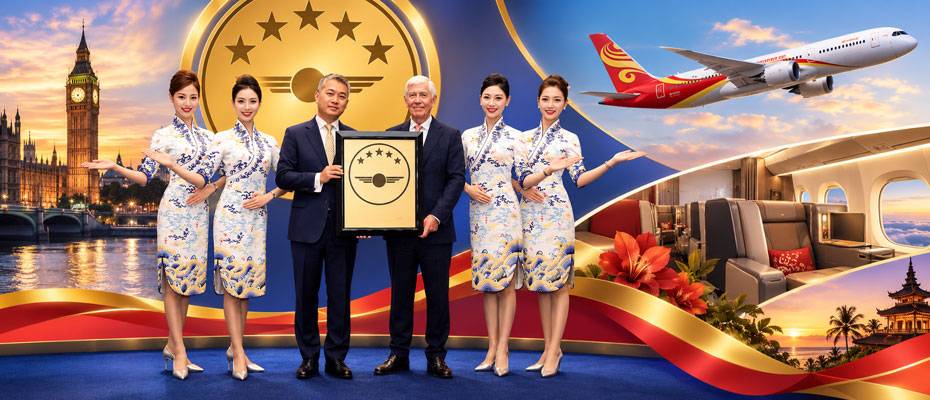
China: Hainan Airlines retains Skytrax Five-Star rating for 15th year
The Chinese carrier also secured awards for airline and staff service in China as it continues to expand its international network
 Read the News
Banyan Group expands in Africa with Newmark acquisition
Majority stake adds 26 hotels, lodges and reserves across seven countries, taking Banyan Group’s global portfolio to nearly 130 properties
 Read the News
Peru brings 25 luxury travel designers to five regions for B2B expedition
REMOTE Expedition Peru combines five familiarisation trips with a high-end travel trade meeting in the Colca Valley from 23 to 30 October
 Read the News
Bahrain to host global tourism investment forum in January 2027
UN Tourism partnership will bring ministers, investors and financial institutions to Manama to discuss financing, projects and long-term tourism investment
 Read the News
Radisson Career Fest 2026 puts AI and career mobility in focus
Month-long hybrid programme will connect hospitality professionals and aspiring talent in more than 100 countries with training, leadership sessions and future skills
 Read the News
Latin America and Caribbean: Hyatt offers up to 35% off seven resorts
Americas Resort Sale covers selected properties in Mexico, Aruba, Saint Lucia, the Dominican Republic and Colombia for stays between December 2026 and March 2027
 Read the News
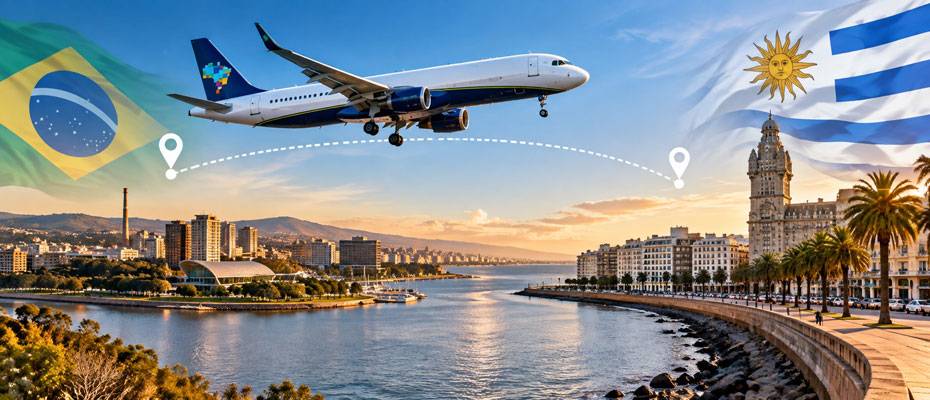
Uruguay: Azul restores Porto Alegre flights as regional connectivity recovers
Two weekly services from southern Brazil will strengthen tourism and business links as Uruguay introduces new incentives to attract additional air routes
 Read the News

US market offers further growth potential for German inbound tourism
GNTB study finds strong interest in Germany among US travellers, with stable arrivals, high visitor spending and further growth expected in 2026
 Read the News
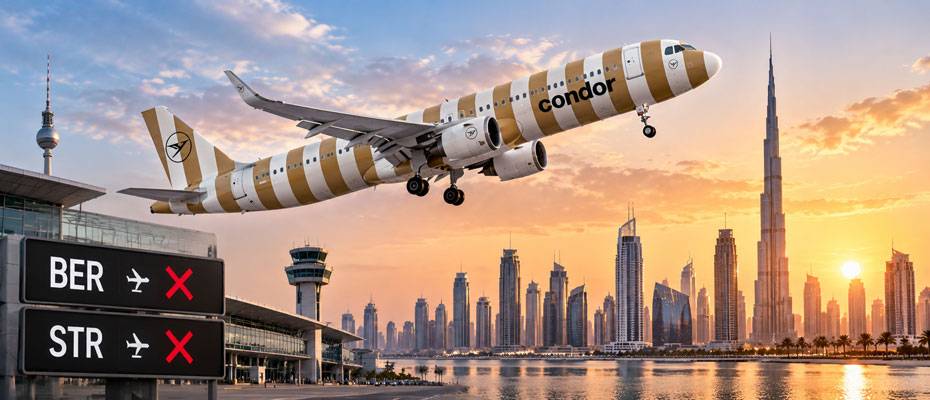
Condor to end Dubai flights from Berlin and Stuttgart
Daily services from both German airports will be discontinued as the airline points to high location costs and challenging economic conditions
 Read the News
Latin America: Travel frequency rises as AI reshapes trip planning
Research covering Brazil, Mexico and Argentina points to more frequent travel, growing demand for experiences and rapid adoption of AI during the planning process
 Read the News

Thailand launches new platform to bring travel tech into tourism businesses
Amazing Thailand Innovation Gadget connects startups with tourism companies, public agencies and potential partners to turn new technologies into practical applications
 Read the News
Eurowings puts four personal names on its Airbus fleet
The “Name a Plane” competition invites passengers to nominate people whose everyday commitment to others deserves special recognition
 Read the News
Thailand turns fashion and textiles into new tourism experiences
Three-day Bangkok showcase connects contemporary design with artisans, communities and textile journeys across the country
 Read the News
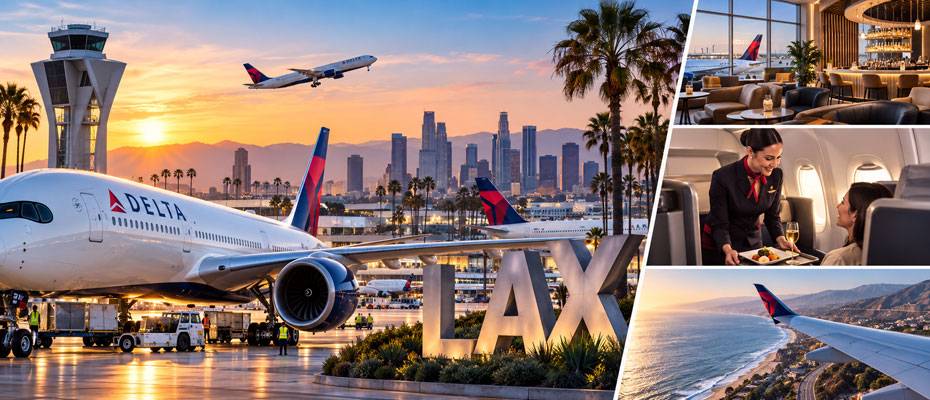
Los Angeles: Delta plans record LAX schedule for summer 2027
More than 200 daily departures, new routes to Monterey and Philadelphia and further premium investment will mark Delta’s largest-ever operation at Los Angeles International Airport
 Read the News
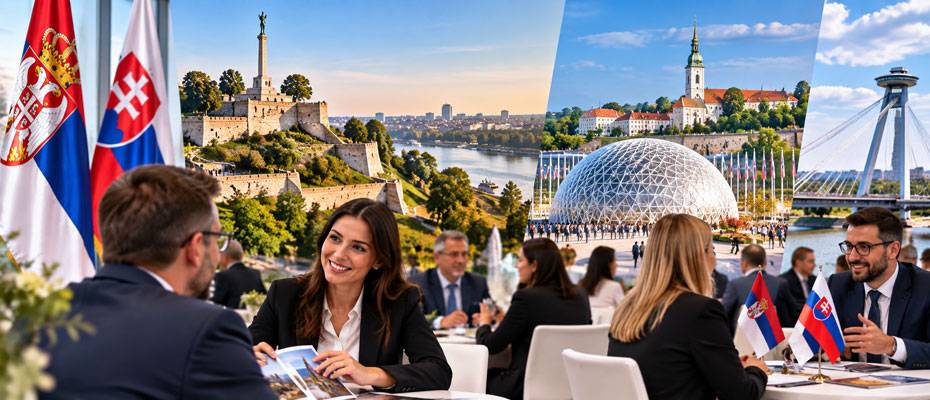
Serbia: EXPO 2027 roadshow targets Slovak travel trade
Bratislava event brings Serbian and Slovak tourism businesses together as Belgrade prepares to welcome visitors from more than 135 countries
 Read the News
Thailand: VIJIT 2026 brings light, culture and technology to three regions
Lamphun, Trang and Roi Et will host immersive evening programmes combining local heritage with light art, multimedia installations and cultural performances
 Read the News
Thailand promotes film tourism and production opportunities at TIFF 2026
Tourism Authority of Thailand uses Toronto International Film Festival to connect international filmmakers with locations, production expertise and travel experiences across the country
 Read the News
Bangkok: Suan Dusit Arun rooftop park draws 951,000 visitors in first year
Dusit Central Park reports initial evidence of lower temperatures, reduced particulate levels and strong public demand for green space in central Bangkok
 Read the News
Agoda adds Capella and Patina luxury hotels to global platform
Partnership brings the complete Capella Hotel Group portfolio to Agoda as demand for personalised luxury travel continues to grow across Asia