Tourexpi

Catalan parliament approves doubling of tourist tax, 25 percent allocated to housing
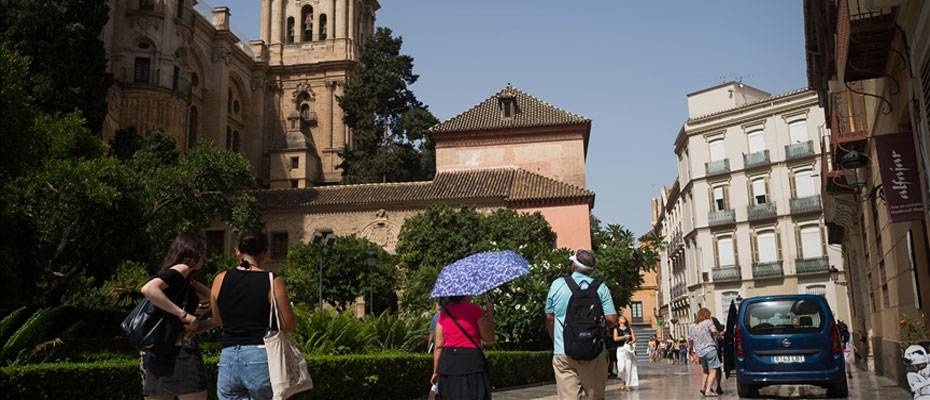
Catalonia’s regional parliament has approved
legislation to double the tourist tax, introducing a significant fiscal
adjustment aimed at addressing mounting strains on the housing market. A
quarter of the revenue generated by the tax will be directed toward housing
policies, reflecting growing political concern over the relationship between
tourism growth and property affordability.
The measure was adopted with the support of the
Socialist Party of Catalonia (PSC), the Republican Left of Catalonia (ERC), and
the Comuns alliance. Junts, the Popular Party (PP), Vox, and Aliança Catalana
voted against the proposal, while the Popular Unity Candidacy (CUP) abstained.
Phased implementation across the region
Under the new framework, the tax increase will take
effect in Barcelona in April. In the rest of Catalonia, the adjustment will be
implemented gradually, with an initial rise this year and full application
scheduled by April 2027.
Five-star hotels in Barcelona will experience the most
pronounced increase. The base regional rate will rise from €3.50 to €7 per
night. Combined with the municipal surcharge of €5, guests could face a total
tax burden of €12 per night. Local authorities retain the option to raise the
overall amount to €15.
The revised tax structure also affects lower-category
hotels, tourist apartments, hostels, campsites, and cruise ship passengers.
Expanded powers for municipalities
A central component of the legislation introduces
greater flexibility for municipalities. All local governments, not only
Barcelona, are now permitted to impose a local surcharge of up to €4 per night,
provided the additional charge does not exceed the base regional rate. Revenues
from these surcharges will flow directly into municipal budgets.
The law further modifies administrative procedures by
replacing the previous biannual payment system with a single annual collection
period.
Housing policies as a new funding priority
Of the revenue collected by the regional government,
25 percent will be allocated to housing policies. Lawmakers supporting the
measure argue that sustained tourism growth has intensified pressure on local
housing markets, contributing to shortages and rising rental costs. The
remaining 75 percent will continue to finance tourism promotion initiatives.
Supporters of the tax increase cite the sector’s
robust performance. Catalonia recorded approximately 25 million visitors in
2025, generating an estimated €26 billion in tourism revenue. Annual tax income
is projected to rise from €100 million to €200 million under the revised
system.
Image
Credit: © AA
The most interesting news
 Read the News

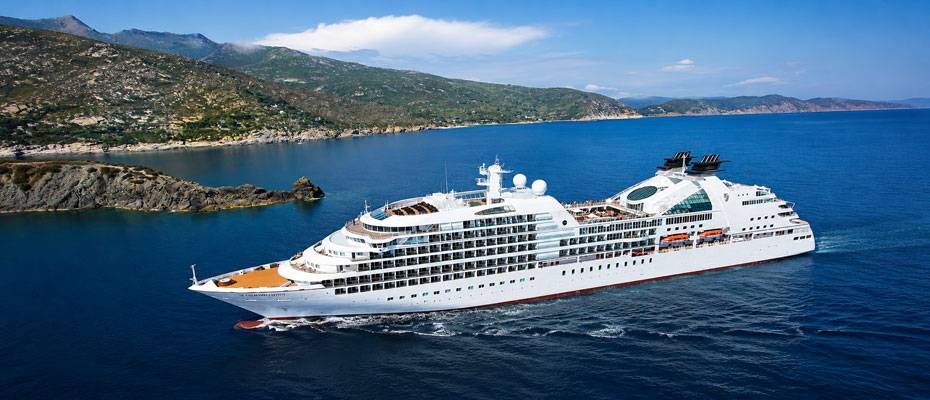
Seabourn Launches 138-Day World Cruise from Miami to Lisbon
Seabourn Quest will visit 58 destinations in 31 countries and territories on a 2029 voyage spanning more than 32,000 nautical miles across five continents
 Read the News
Orascom Expands Tourism Investment Across Oman
Projects in Hawana Salalah, Jebel Sifah and As Sodah Island continue to advance, with new hotels planned and investment in the private-island development set to exceed $90 million
 Read the News
‘We See Ourselves Not Just as a Hotel, but as Hosts on La Gomera’
Inspired by the island’s traditional terraced fields, Bancal Hotel & Spa combines architecture, local cuisine, wellness and nature. Director Olivier Doche explains how the hotel aims to make La Gomera itself an integral part of every stay
 Read the News
Chile marks National Wine Day with more than 50 experiences
Wine regions across the country will offer tastings, vineyard tours, dinners, heritage experiences and urban events for National Wine Day on September 4
 Read the News
Club Med launches biggest ski sale for 2026/27 winter season
Ski Days offers savings of up to $1,040 at participating French Alps resorts and Québec-Charlevoix, with bookings open until September 15
 Read the News
Family travel: multigenerational holidays reshape resort stays
Bahia Principe is adapting its portfolio to growing demand from families seeking shared experiences across different generations
 Read the News
Spain adds 7.4% more international air seats for September
Nearly 13.1 million seats are scheduled on international flights to Spain, with particularly strong growth from Poland, Turkey and Italy
 Read the News
Bosnia and Herzegovina: Sarajevo Tourism Surges on Concerts and Film Festival
More than 100,000 tourists visited Sarajevo in July as major music and cultural events generated strong demand for hotels, restaurants and transport
 Read the News

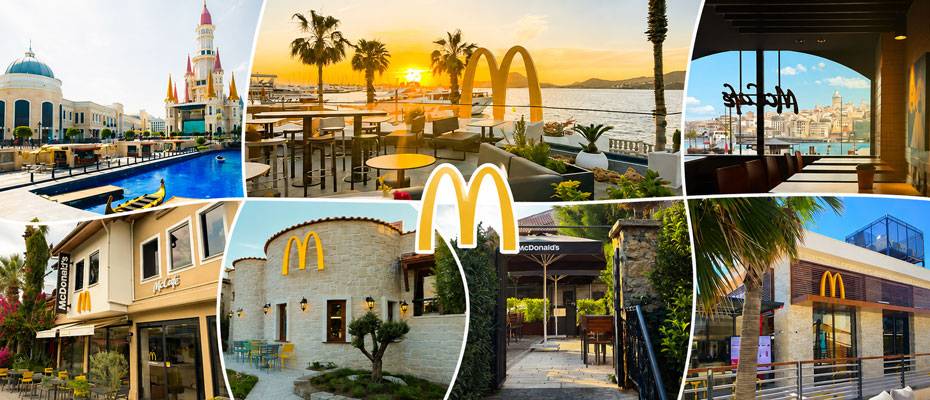
McDonald’s Türkiye highlights seven restaurants shaped by their locations
From Istanbul and Antalya to Bodrum and Göcek, seven distinctive restaurants combine familiar branding with architecture and design inspired by their surroundings
 Read the News
Vietnam: Hyatt Regency Danang Expands MICE Experiences Beyond the Meeting Room
New sports and team-building activities complement event venues for up to 700 guests at the beachfront resort between Da Nang and Hoi An
 Read the News
China: Fosun Returns to Profit Growth as Overseas Revenue Reaches 56.5%
First-half profit attributable to shareholders rises 160.3% to RMB1.72 billion as the group sharpens its focus on insurance, pharmaceuticals and global expansion
 Read the News
ADIB, Marriott Bonvoy and Visa launch co-branded cards in UAE
New Visa Infinite and Signature cards combine everyday spending with Marriott Bonvoy rewards, hotel status and international travel benefits
 Read the News
Helsinki Biennial returns in 2027 with art across the city
Around 45 artists and artist groups will transform Vallisaari Island, Esplanade Park and HAM Helsinki Art Museum from June to September
 Read the News
Peru: Lima to host more than 500 airport industry leaders at WAGA 2026
The global ACI gathering will focus on connectivity, infrastructure investment, innovation, sustainability and the future development of airports
 Read the News
USA: Delta opens flight attendant recruitment for 2027
The airline is accepting applications from English-speaking and bilingual candidates for upcoming training classes
 Read the News
Asia: Four Seasons turns intimate celebrations into tailor-made journeys
From micro-weddings and anniversaries to family reunions and corporate retreats, Four Seasons resorts across Asia are expanding their focus on personalised small-group experiences
 Read the News
Colombia: inventia adds Río Magdalena cruises to South America programme
Two eight-day itineraries between Cartagena and Barranquilla combine river landscapes with colonial heritage, wildlife and local culture
 Read the News

Germany: When tourism becomes a question of identity
Günter Ihlau and Wolfgang Isenberg examine the AfD’s tourism policies and argue for travel as an expression of openness, diversity and individual judgement
 Read the News
Germany: Thuringia hosts GNTB Travel Summit 2026
Around 60 international buyers from 14 European source markets will meet tourism suppliers in Erfurt from 20 to 23 September
 Read the News
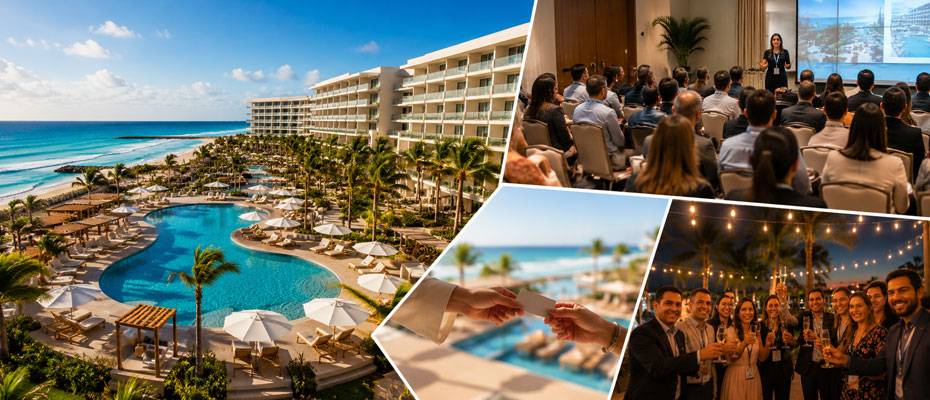
Fam Fest Latam Returns to Cancún for Its 12th Edition
From 2 to 6 September, leading Latin American travel agents and tour operators will gather at AVA Resort Cancun for training, awards and first-hand insights into the expanding PAM Hotels portfolio
 Read the News
Emirates could add Lima service via Milan
The airline is reportedly seeking fifth-freedom rights for a Dubai–Milan–Lima route, potentially adding a new direct connection between Italy and Peru