Tourexpi

Schengen is the key to freedom of travel in Europe

On 14 June 1985, a document was signed on board a Luxembourg excursion boat in Schengen that would fundamentally change Europe: the Schengen Agreement. What initially appeared to be an inconspicuous signing became one of the most significant achievements of European cooperation ten years later. With the abolition of border controls in 1995, travel became easier, more spontaneous and, for millions of people, a natural part of their everyday lives.
Martina Kneip, director of the Schengen Museum in Luxembourg, sees every day how much people from all over the world appreciate the openness between European countries – and how closely the history of travel is intertwined with the idea of a borderless Europe.
What did the signing of the agreement in 1985 mean to you – then and now?
Although the Schengen Agreement was signed back in 1985, it initially played hardly any role in the following ten years – even for me personally, this moment was not very tangible at the time.
The signing took place on a very small scale, on an excursion boat here in Schengen, which is now part of our museum experience. The fact that it was not high-ranking political leaders but ‘only’ state secretaries from the five founding states – Germany, France, Luxembourg, Belgium and the Netherlands – who signed the agreement shows, in retrospect, how uncertain the prospects for its success were at the time. It was only with the signing of the Schengen Implementation Agreement in 1990 and its entry into force in 1995 that the agreement took concrete shape. I myself regularly crossed the border from Luxembourg to Germany via France for many years and was therefore directly confronted with the practical implications of the agreement. The abolition of border controls made life considerably easier and saved a lot of time, thus also shaping my personal experience of European integration.
Today, however, the Schengen Agreement has become an integral part of everyday life for Europeans. Like no other project, it stands for freedom of movement within Europe and is undoubtedly one of the most significant achievements of the European Union.
What role did the agreement play in European tourism?
Travelling to other countries always means crossing borders – in the truest sense of the word. For Europe, or more precisely the Schengen area, which includes most EU member states as well as four non-EU countries, this is now easier than ever before. The abolition of border controls has made travelling much easier and less complicated. Short trips to neighbouring countries in particular can now be undertaken spontaneously and without great time expenditure – a freedom that we take for granted today. For visitors from non-EU countries, the so-called Schengen visa also offers an enormous advantage: instead of numerous individual visas, a single visa is now sufficient to grant access to 29 countries – a real milestone.
Has there been a spontaneous trip or a special experience in your life that was only made possible by open travel freedom?
I live in little Luxembourg – a country where borders are part of everyday life. No matter where you are, the nearest national border is usually only a few minutes away. For us, it has become completely normal to commute regularly between countries – whether for work, shopping, visiting the authorities or simply visiting friends.
My children attended the German-Luxembourgish ‘Schengen Lyzeum’, a school on German territory. The daily journey to school across the border would have been unimaginable with systematic border controls. What is part of everyday life for us also applies to many other people in European border regions: travelling back and forth is commonplace, spontaneous and uncomplicated – without any major preparations or bureaucratic hurdles. Travel has also changed in other ways: in the past, travelling abroad involved a lot of effort and long waiting times at borders. Today, however, it is normal to simply get in the car, on the train or on a plane and travel to another country – whether for a weekend trip, a business meeting or a short holiday.
This new freedom to travel is a direct result of the Schengen Agreement – and we often no longer realise how much freedom and quality of life it brings, because it has become so normal for us.
What does ‘Schengen’ mean to you – in one sentence?
Schengen is the key to freedom of travel in Europe – an achievement that many around the world envy us for.
How did you experience the temporary reintroduction of border controls during the pandemic?
The temporary reintroduction of border controls – for example, during the pandemic – made many people realise how valuable open borders in Europe really are. What was often taken for granted before was suddenly missed. This experience prompted reflection – on freedom, mobility and the value of European cooperation. We at the museum also felt this: suddenly, more people were interested in ‘Schengen’ again – in its history, the idea behind it and its significance for their own everyday lives. Many new visitors came because they sensed that something was at stake. It is precisely this reaction that gives me hope. Because it shows that the European idea is alive – and that its achievements are not only valued, but also need to be defended.
How do you see the future of freedom of travel?
I am confident and at the same time hope that those responsible have recognised what is at stake. If we want to continue to strengthen travel to other countries and keep the European idea alive, then there can be no going back to permanent border controls. At the same time, I see risks, particularly from nationalist movements, which are regaining influence in some countries, especially at the political level. Such developments threaten not only practical freedom of travel, but also mutual understanding between people on both sides of the borders.
Borders separate not only geographically, but also mentally. This makes it all the more important to protect and further develop the achievements of the Schengen area for an open, united Europe.
In your work at the Schengen Museum, you surely encounter many visitors with very different stories – what kind of experiences or comments do you hear most often there?
Most often, we hear from foreign guests who are impressed by how closely and naturally the borders between neighbouring countries are overcome here. Many say that they are not familiar with this in their home countries – for them, this openness is something very special.
In the museum, we have a feedback wall where visitors can share their personal Schengen experiences or tell us in a few words what the ‘Spirit of Schengen’ means to them. There, they repeatedly emphasise how much they value freedom of travel, but also how fragile this privilege is. Particularly moving are the stories of people who did not grow up in an open world. Their contributions are often very emotional and show what a profound difference boundless freedom can make in everyday life.
Picture Credit: © ITB Berlin
The most interesting news
 Read the News

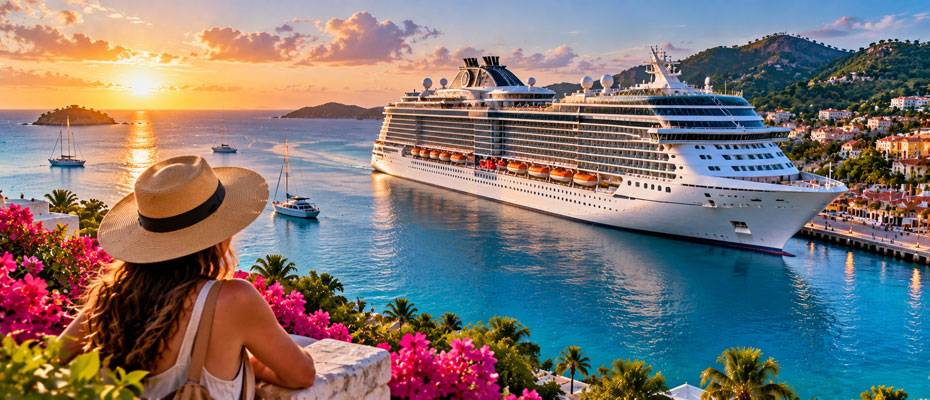
Global cruise market forecast to nearly double by 2034
Passenger growth, fleet expansion and rising demand for premium and experiential travel are expected to drive the market to $38.5 billion
 Read the News
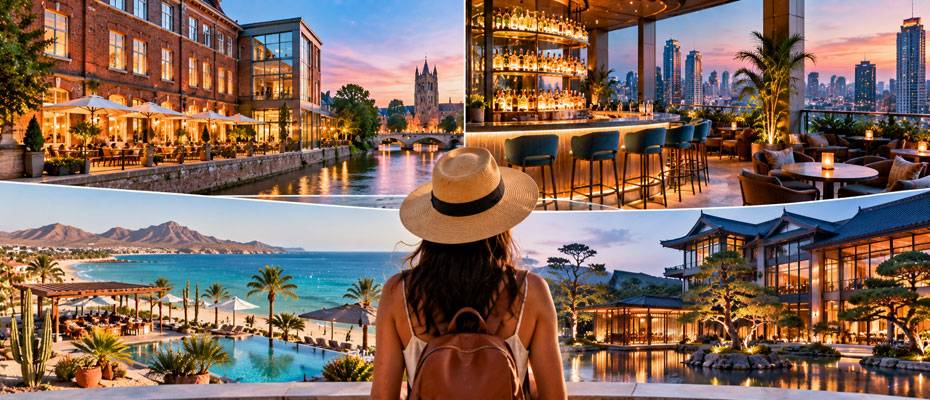
Hotel Indigo reaches 200 hotels as global expansion accelerates
IHG’s Luxury & Lifestyle brand has doubled its footprint since 2019 and has another 134 properties in the development pipeline
 Read the News
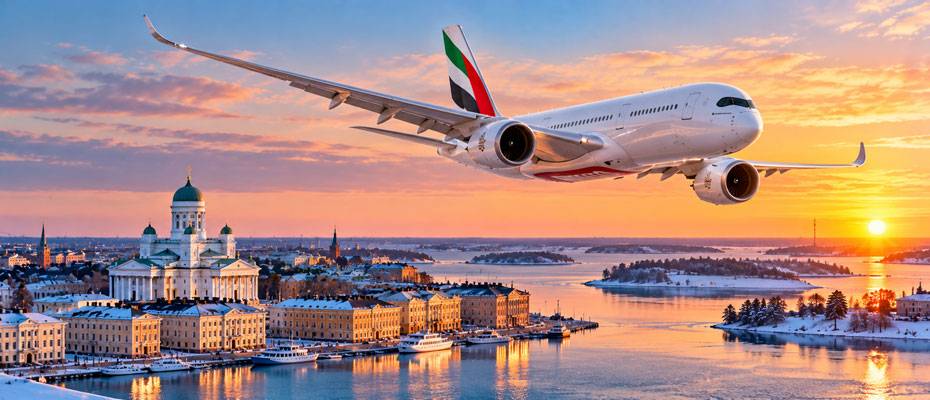
Emirates launches first daily Dubai-Helsinki service
The new year-round route gives Finland its only direct connection to the UAE and opens new one-stop links to Asia, Africa, the Indian Ocean and Australasia
 Read the News

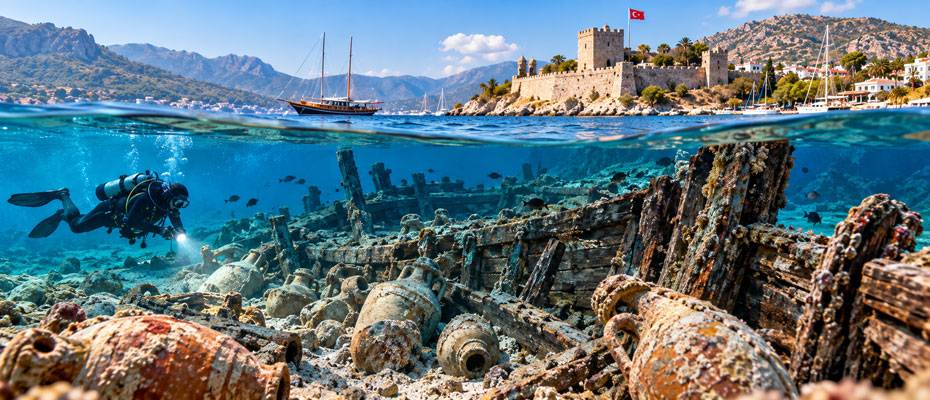
Türkiye’s underwater heritage reveals ancient Mediterranean trade routes
More than 430 shipwrecks have been documented along the Mediterranean coast, while new excavations and museum projects are bringing thousands of years of maritime history to a wider audience
 Read the News
WTTC and ICC join forces to strengthen tourism SMEs worldwide
New partnership targets regulatory, financial, digital and mobility barriers affecting small and medium-sized businesses across global Travel & Tourism
 Read the News

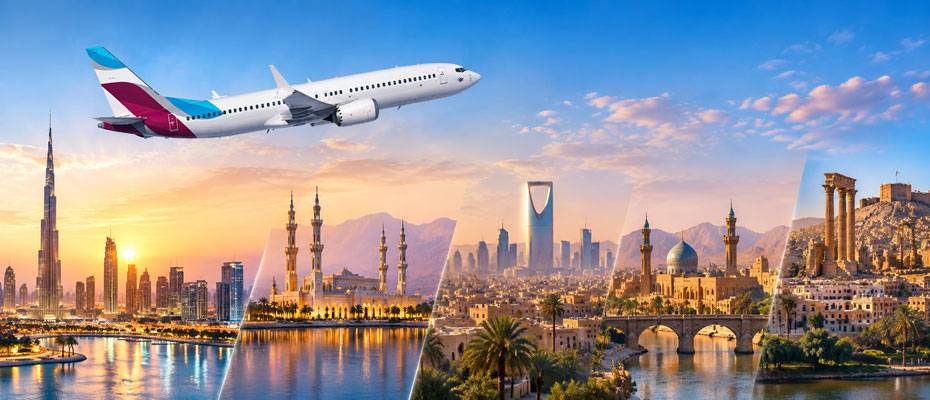
Eurowings expands Middle East network with new Baghdad flights
New services from Berlin and Düsseldorf will complement connections to Dubai, Jeddah, Tel Aviv, Beirut, Erbil and Amman in the 2026/27 winter schedule
 Read the News
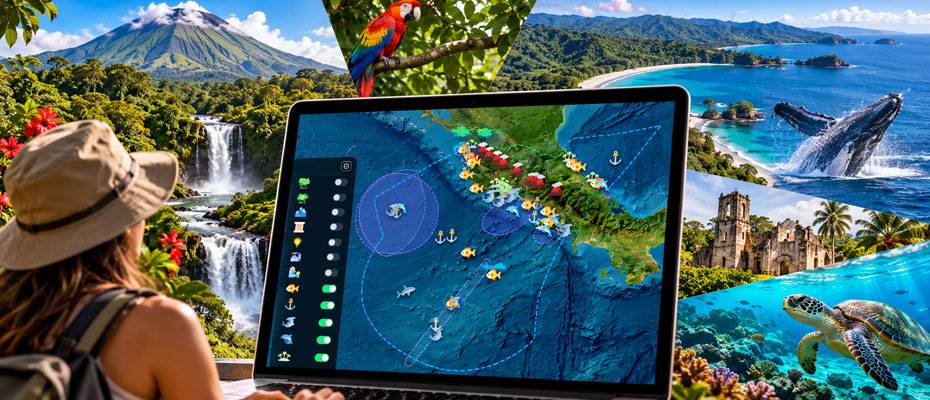
Costa Rica launches interactive map of natural and cultural heritage
Free bilingual platform combines tourism, biodiversity, marine science, history and geography in a digital exploration tool
 Read the News
TUI Blue puts holistic wellness at the centre of Asian escapes
TUI Blue Berawa in Bali and TUI Blue Angkor Grace in Cambodia combine yoga, recovery, healthy cuisine and local wellbeing traditions with a relaxed resort experience
 Read the News
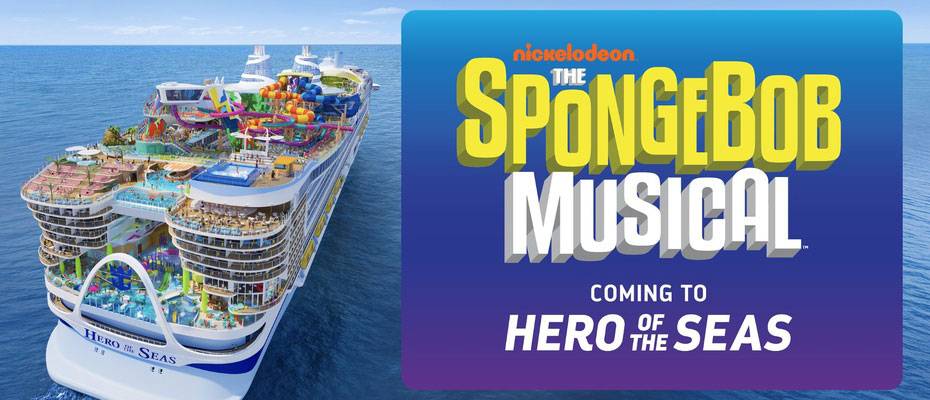
SpongeBob musical to debut at sea on Royal Caribbean’s Hero
Broadway-inspired production will headline the entertainment programme when the new Icon Class ship begins Caribbean cruises from Miami in August 2027
 Read the News

Thailand links Middle East travel trade with 80 tourism businesses
Forty representatives from the UAE and Saudi Arabia met Thai suppliers after a six-day product discovery programme in Pattaya, Hua Hin and Bangkok
 Read the News
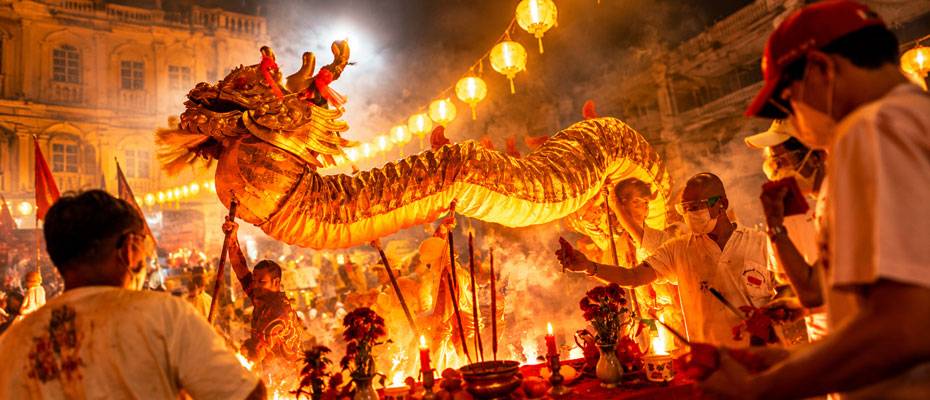
Phuket Vegetarian Festival brings Hokkien traditions to the streets
The nine-day celebration from 10 to 18 October combines shrine ceremonies, processions and centuries-old rituals across Phuket City
 Read the News
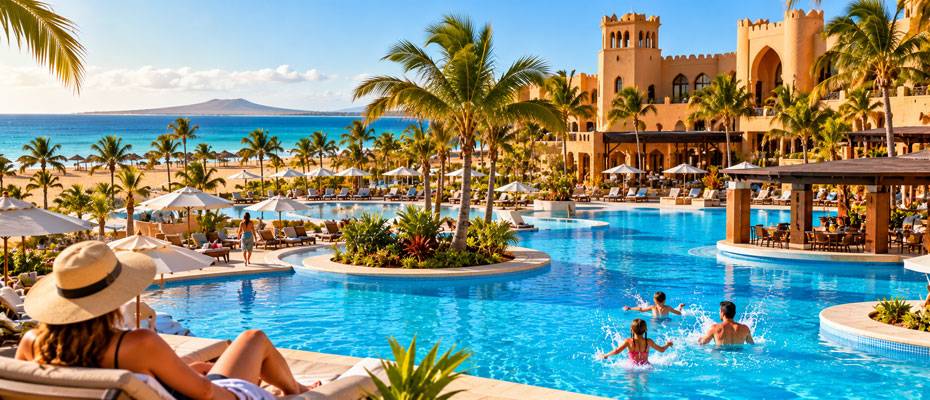
RIU repositions Riu Touareg as family resort after major renovation
The 1,181-room resort on Boa Vista has reopened with redesigned accommodation, expanded dining and a new focus on families
 Read the News
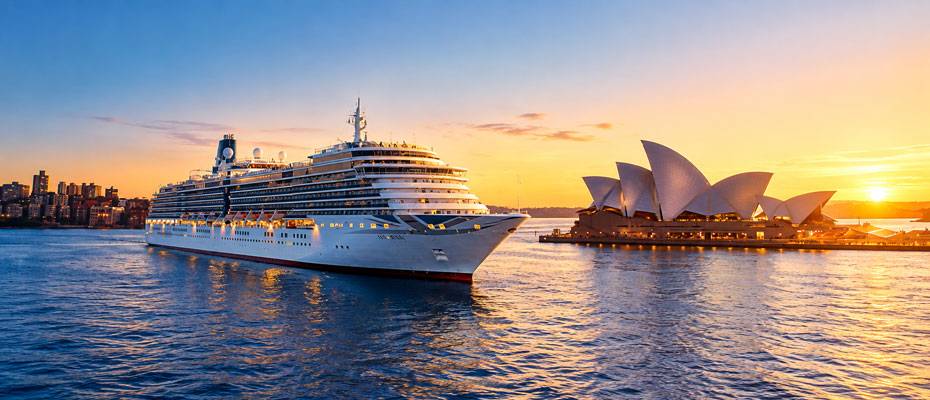
Holland America Line to add Arcadia as 12th ship in 2029
The Vista Class vessel will transfer from P&O Cruises, adding capacity for more than 2,000 guests and supporting Holland America’s fleet modernization program
 Read the News
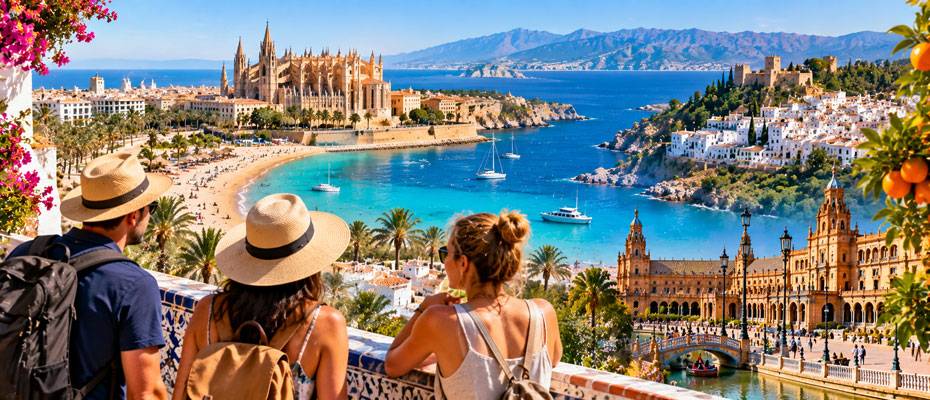
Spain welcomes 12.3 million international tourists in August
International visitor spending exceeded €17.8 billion during the month, while arrivals rose 9.2% and destinations outside Spain’s main tourism regions recorded particularly strong expenditure growth
 Read the News
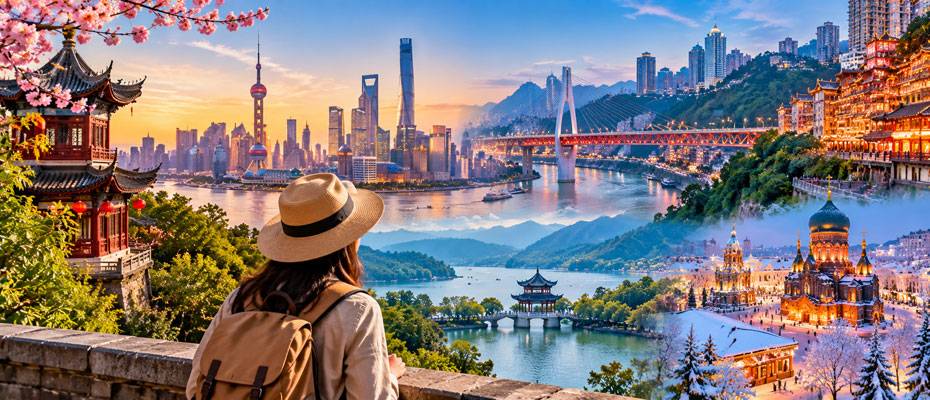
Southeast Asian travellers look beyond China’s traditional gateways
Traveloka data shows bookings to China’s emerging city destinations growing more than twice as fast as demand for Beijing, Shanghai, Guangzhou and Shenzhen
 Read the News
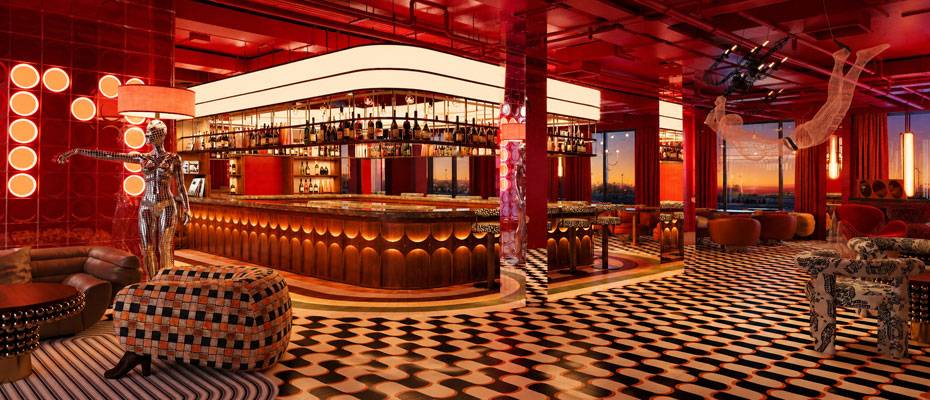
Tempo by Hilton to make German debut at Munich Airport Arena
The 199-room lifestyle hotel is scheduled to open in 2029 as part of the new MUNICH ARENA entertainment campus near Munich Airport
 Read the News
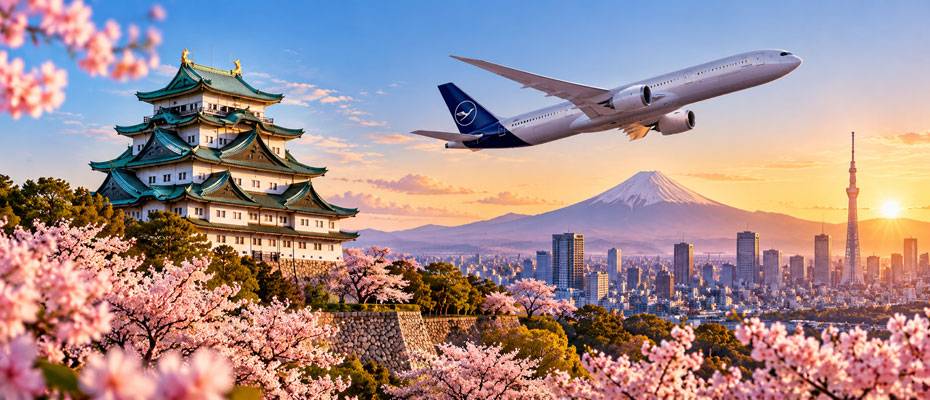
Lufthansa Group expands Japan network to 50 weekly flights
Lufthansa will return to Nagoya and add daily Frankfurt–Tokyo Narita services as the group significantly increases Japan capacity for Summer 2027
 Read the News
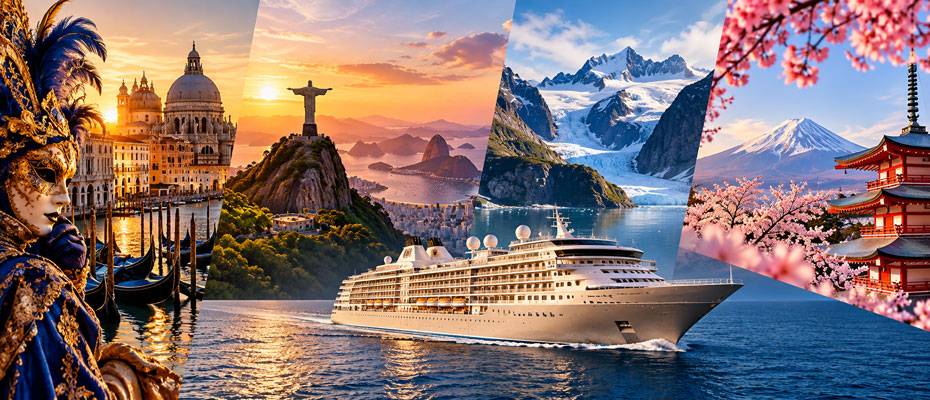
Silversea adds 103 voyages for 2028-2029 season
The new collection spans 56 countries and introduces culinary sailings, 29 new ports and a 75-night circumnavigation of South America
 Read the News
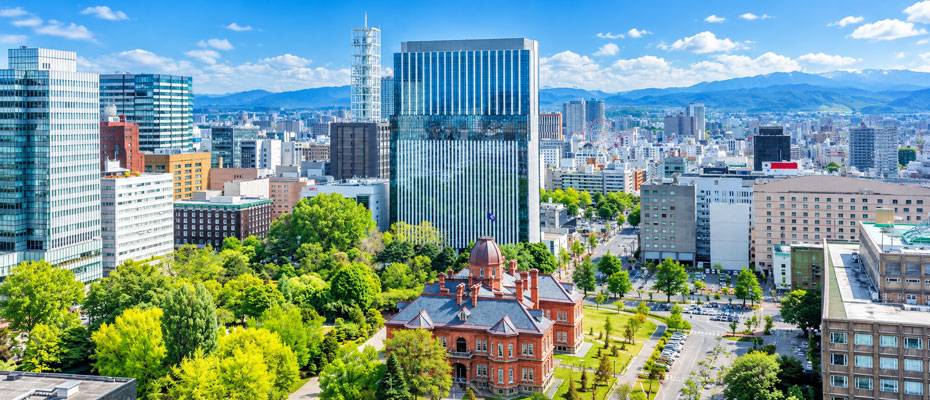
Hyatt Centric Sapporo opens as new base for exploring Hokkaido
The 216-room property is the Hyatt Centric brand’s first hotel in Hokkaido, combining a central Sapporo location with a strong focus on regional design and cuisine
 Read the News
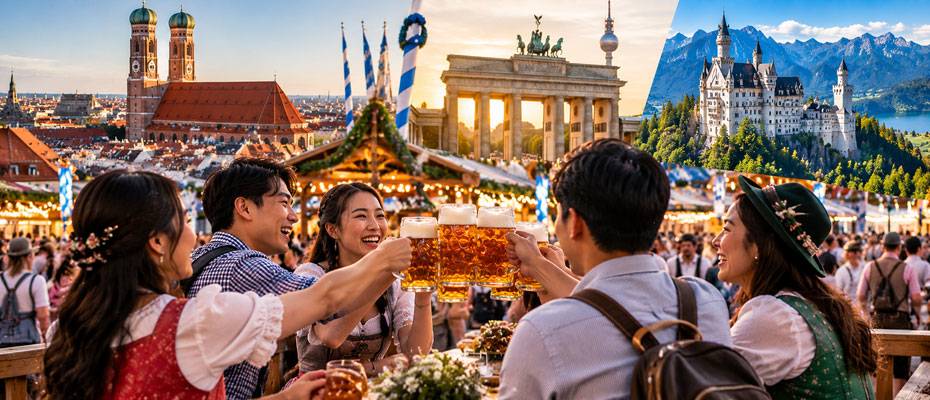
Oktoberfest draws growing interest from Asian travellers
Agoda data shows strong search growth from China, India and Japan, while visitors increasingly combine Munich with other German destinations
 Read the News
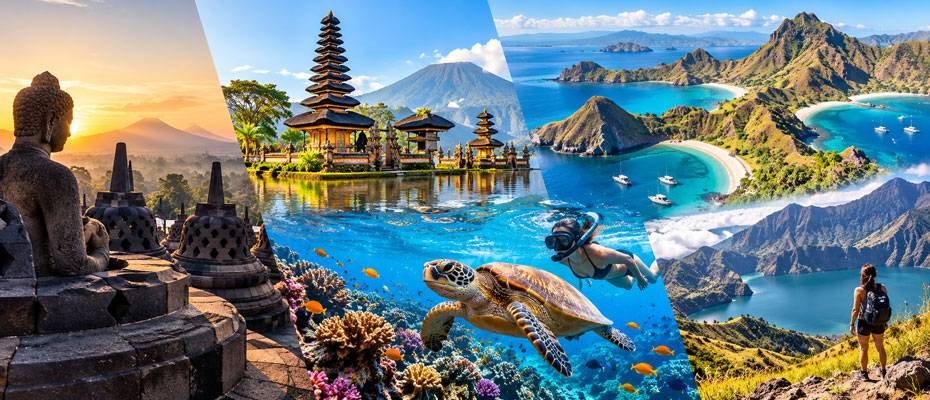
Indonesia targets Australian travellers with quality tourism strategy
Bali, Lombok, Labuan Bajo and Borobudur anchor a campaign designed to encourage longer stays, higher-value travel and deeper local experiences