Tourexpi

Germany: When tourism becomes a question of identity
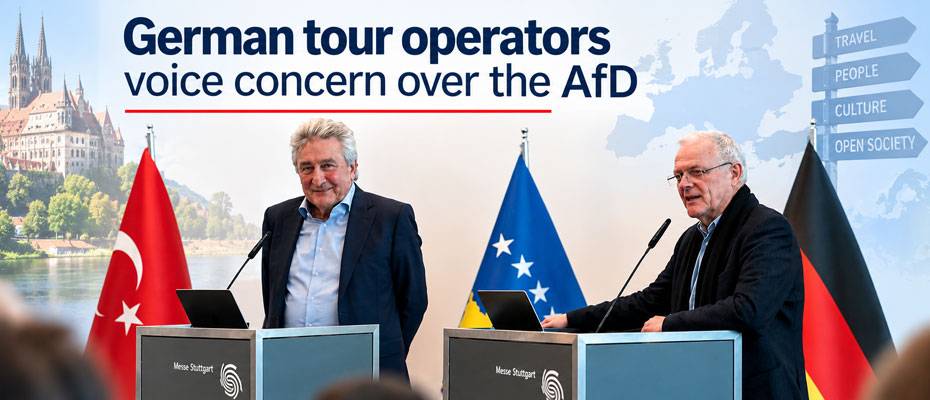
There are moments when taking a position becomes
necessary. With Saxony-Anhalt electing a new state parliament on 6 September,
Günter Ihlau and Dr Wolfgang Isenberg examine an area of politics that rarely
attracts the same attention as migration, education or public broadcasting:
tourism.
Their essay, “Das Land, das wir den Gästen zeigen” –
“The country we show our guests” – takes statements by AfD politicians on
tourism, history and national identity as its starting point. Hans-Thomas
Tillschneider, the AfD parliamentary group’s spokesman for education, culture
and science in Saxony-Anhalt, has called for the state to develop what he
describes as “Volksbildungstourismus” – tourism serving popular education –
under the banner #deutschdenken. Saxony-Anhalt, he argues, should become a “place
of longing for all German patriots”.
For Ihlau and Isenberg, this raises a question
extending far beyond destination marketing: who decides which stories a country
tells about itself, what constitutes a sense of home and belonging, and what
conclusions visitors are expected to draw from history?
When travel becomes identity politics
For a long time, the AfD’s tourism policy appeared
relatively conventional. When Sebastian Münzenmaier became chairman of the
German Bundestag’s Tourism Committee in 2018, the appointment was
controversial, but much of the subsequent parliamentary work concerned familiar
industry issues such as SMEs, infrastructure, competitiveness, digitalisation
and bureaucracy.
According to the authors, a shift became more apparent
later. In 2023, AfD tourism politicians at federal and state level argued that
strong domestic tourism should not only support regional economic value
creation but also “create identity”.
Saxony-Anhalt provides a particularly clear example.
Under the #deutschdenken concept, tourism is linked to German history, national
identity, language and culture. Tillschneider has described existing cultural
tourism as “nationally and historically sterile” and advocated giving greater
prominence to historical sites according to their importance for German
identity.
Ihlau and Isenberg do not object to presenting German
history. Their criticism begins where historical events and places are
deliberately selected and connected in order to support a predetermined concept
of national identity.
History should leave room for judgement
The proposed “Straße des Deutschen Reiches”, or “Road
of the German Reich”, illustrates the distinction. The authors stress that a
historical tourist route is not problematic in itself. Themed routes are a
well-established tourism instrument, linking destinations and bringing visitors
to smaller towns and rural areas.
The decisive issue, they argue, is the narrative
connecting those places. According to Tillschneider, the route would link
locations where German identity was shaped and would explicitly form part of
the #deutschdenken concept.
The Bauhaus provides a contrasting example. Founded in
Germany, it became a global cultural phenomenon without losing its German
origins. Its ideas crossed borders, and its international significance is today
an important part of Dessau’s appeal as a destination.
The authors cite Reinhard Meyer, President of the
German Tourism Association, who sees eastern Germany’s tourism strength
precisely in internationally recognised cultural attractions such as the
Bauhaus, the Luther sites and UNESCO World Heritage properties.
Tourism itself reflects an international society
The debate also has an immediate economic dimension.
Tourism depends on international visitors, but increasingly also on an
international workforce.
According to figures cited by Ihlau and Isenberg,
foreign nationals now account for 44.5 percent of employees subject to social
security contributions in Germany’s hospitality sector. In food and beverage
services the share reaches 47.8 percent, rising to 54.6 percent in food-led
restaurants.
For the authors, these figures describe everyday
reality rather than an abstract integration debate. People from different
countries work in hotel kitchens, at reception desks and in restaurants, serve
regional dishes and German wines and explain destinations to visitors.
Their argument is that belonging therefore cannot be
understood solely in terms of origin. It also develops through people living,
working and sharing experiences together.
Climate, landscapes and the danger of simple answers
The essay also examines the relationship between
tourism, climate policy and landscape protection. Wind turbines alter
landscapes, the authors acknowledge, but this does not automatically mean that
renewable energy destroys landscapes or damages tourism.
Landscapes have always changed. Vineyards themselves
are cultural landscapes, while reservoirs, roads, cable cars and tourism
infrastructure have all transformed places that are subsequently marketed as
landscapes worth protecting.
The political challenge, according to Ihlau and
Isenberg, is therefore to balance competing interests: how much change can a
landscape absorb, what should be preserved and who should bear the costs? They
make a similar argument about climate policy, acknowledging that travel must
remain affordable and that bureaucracy or poorly designed sustainability
requirements can impose burdens on tourism businesses.
Their criticism is directed at reducing such complex
conflicts to binary choices – landscape versus wind energy, climate protection
versus freedom to travel, tradition versus “wokeness”, or the familiar versus
the foreign.
Tourism thrives on different perspectives
At the heart of the essay is a broader argument about
democracy. A resident sees a destination differently from a visitor, a hotelier
differently from a conservationist and a hiker differently from an energy
planner. Several perspectives can be legitimate at the same time without any
single one representing the whole picture.
For Ihlau and Isenberg, democratic politics must
ultimately make decisions, but those decisions are not improved by eliminating
disagreement beforehand. They require competing interests to be recognised,
consequences considered and choices explained.
The same principle applies to history. Governments can
support museums, develop destinations, establish priorities and promote
historical education. But, the authors argue, they should not determine in
advance what political conclusion visitors are expected to reach from their
encounter with history.
What kind of country do we want to be?
No single tourist route, wind turbine or debate about
the Bauhaus determines the future of democracy. Taken together, however, Ihlau
and Isenberg see these disputes as evidence of fundamentally different ideas
about how society should deal with history, identity, diversity and change.
Their criticism is not directed against a sense of
home, German history or the desire to shape social change. It is directed
against what they regard as an attempt to create an increasingly unambiguous
political order in which belonging is more narrowly defined and history is
organised around a desired identity.
For the authors, tourism is therefore anything but a
sideshow in this debate. Travel depends on encounters with what is unfamiliar,
on different perspectives and on experiences whose outcome is not
predetermined.
Their conclusion is correspondingly clear: a
government may build roads, support museums, develop destinations, install
signs and finance tourism campaigns. But it should not seek to determine what
people are supposed to think at the end of their journey.
The authors
Günter Ihlau is a board member of the Center for
Innovation & Sustainability in Tourism (c.i.s.t) and Chairman of the
Cultural Tourism Working Group at the German Travel Association (DRV). He
previously served, among other positions, as Director of International
Relations at TUI AG and coordinator of TUI AG’s Leisure and Tourism think tank,
and spent more than 15 years working in tourism destinations.
Dr Wolfgang Isenberg is Chairman of the Political
Advisory Board for Tourism in North Rhine-Westphalia. His previous roles
include Director of the Thomas Morus Academy, lecturer and coordinator of TUI
AG’s Leisure and Tourism think tank.
Image Credit: © AI generated illustration with material courtesy of
Tourexpi
The most interesting news
 Read the News

Lufthansa’s first A350-1000 to debut on Munich–Tokyo route
Passenger services begin on 3 December, with Shanghai and Singapore to follow as Lufthansa expands its Allegris-equipped fleet
 Read the News

Antalya Welcomes 14 Million Foreign Tourists as Autumn Demand Remains Strong
Türkiye’s Mediterranean tourism hub maintains substantial visitor volumes despite geopolitical tensions and weaker European demand, while preparing to host the COP31 climate conference in November
 Read the News

Steigenberger expands Egyptian portfolio with new luxury hotel in Aswan
The Steigenberger Hotel Elephantine Island Aswan is scheduled to open in December 2026 following extensive renovations, strengthening H World International’s partnership with Legacy Hospitality
 Read the News
TUI River Cruises Expands Fleet and Adds Seine Cruises for Summer 2028
Two purpose-built ships, a new French river destination and 43 itineraries will increase capacity by 26% as TUI River Cruises launches its largest summer programme to date
 Read the News
Lufthansa Group Offers €1.025 Billion for Stake in TAP Air Portugal
Portuguese government selects Lufthansa Group's privatization proposal, opening the way for closer integration and stronger air connections between Europe and the Americas
 Read the News

Thailand widens shopping campaign to more South Asian markets
More than 50 partners offer visitor benefits as TAT targets 30,000 participants and at least 244 million baht in tourism revenue
 Read the News

ITB Berlin opens 2027 ticket sales with new Orange Pass
Early bird rates run until 14 January, while a premium pass limited to 300 buyers adds lounge access, networking benefits and Berlin public transport
 Read the News
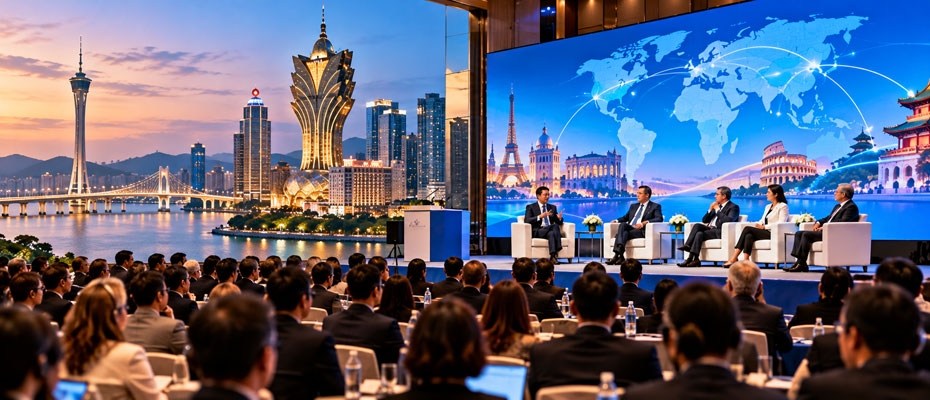
Macao tourism forum puts AI, investment and sustainable growth in focus
The 12th Global Tourism Economy Forum will bring international tourism leaders together from October 15 to 17 to discuss changing travel patterns, cross-border connectivity and the future of the visitor economy
 Read the News
Holland America Line adds festive dining and offers for 2026 holidays
Seasonal menus, onboard celebrations and selected fare discounts feature across Thanksgiving, Hanukkah, Christmas and New Year sailings
 Read the News
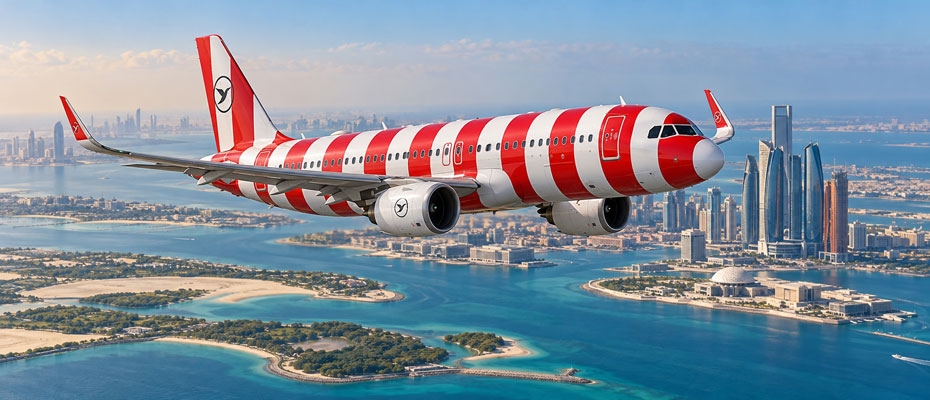
Condor launches daily Berlin–Abu Dhabi flights with Etihad codeshare
The year-round service links Germany’s capital region with the UAE and adds onward connections to Asia, Australia and Africa
 Read the News
Booking forecasts more mood-led travel for Australians in 2027
The platform’s annual predictions highlight wellbeing, flexible packages and the growing influence of budgets on group travel
 Read the News
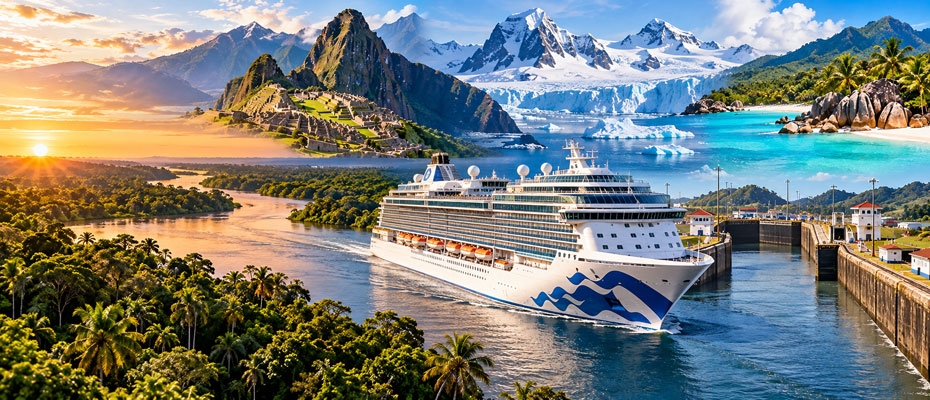
Princess Cruises returns to the Amazon with expanded 2028–2029 Americas programme
More than 250 departures will cover the Caribbean, North and South America, Hawaii and Antarctica, including a new 64-day voyage around South America
 Read the News
Thailand launches nationwide travel sales campaign in Spain
Tourism Authority of Thailand partners with Viajes El Corte Inglés to promote winter holidays, targeting 20 million consumer impressions and 3,000 package bookings
 Read the News
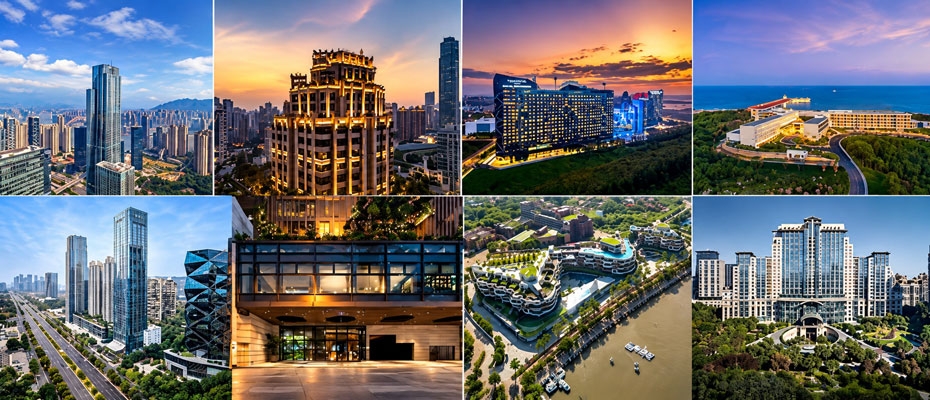
IHG Expands Vignette Collection Across Greater China
New luxury hotels in major cities and leisure destinations combine distinctive design, local cultural experiences and community initiatives
 Read the News
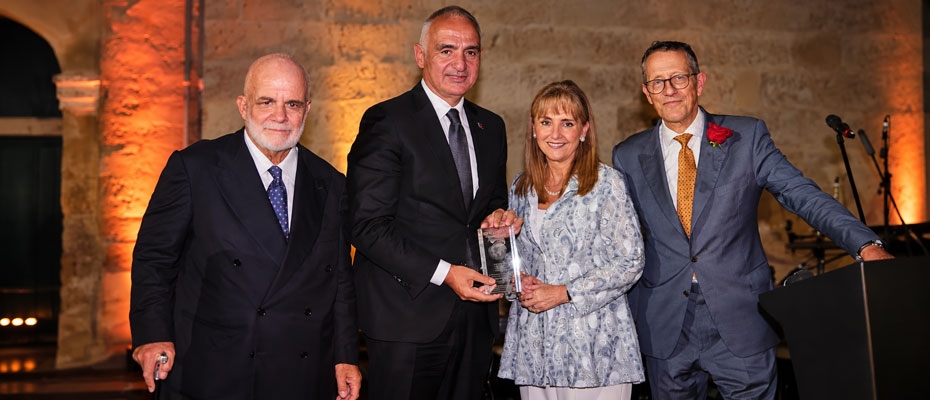
WTTC honours Türkiye’s Tourism Minister Mehmet Nuri Ersoy
The Global Champion Award recognises public-private cooperation and tourism development as Türkiye’s travel economy is forecast to grow further in 2026
 Read the News
Marriott Bonvoy brings 14 Hong Kong hotels to Wine & Dine Festival
The four-day culinary event will feature leading chefs, mixologists and new tasting experiences celebrating Hong Kong’s diverse food culture
 Read the News
EXPO 2027 Belgrade strengthens tourism cooperation with North Macedonia
Business networking in Skopje highlights joint travel opportunities as Serbia prepares to welcome an estimated four million visits during the international exhibition
 Read the News
Anantara opens luxury safari camp in Zambia’s Kafue National Park
The new 13-suite riverside retreat combines wildlife safaris, conservation initiatives and private wellness experiences in one of Africa’s largest national parks
 Read the News
Delta postpones Atlanta–Riyadh flights until March 2027
The US airline delays its planned nonstop service to Saudi Arabia amid regional developments, offering affected passengers flexible rebooking and refund options
 Read the News
Thailand Shifts Tourism Strategy Towards Wellness and Higher-Value Travel
At CNN Global Perspectives in Bangkok, the Tourism Authority of Thailand outlined plans to expand wellness tourism, distribute visitor spending more widely and strengthen tourism’s links with investment and economic development
 Read the News
Chinese outbound travel grows as longer, multi-destination trips gain ground
Golden Week departures rose 9.3 percent in 2026, while demand for longer journeys, cultural experiences and AI-assisted travel planning increased significantly