Tourexpi

Thailand Shifts Tourism Strategy Towards Wellness and Higher-Value Travel
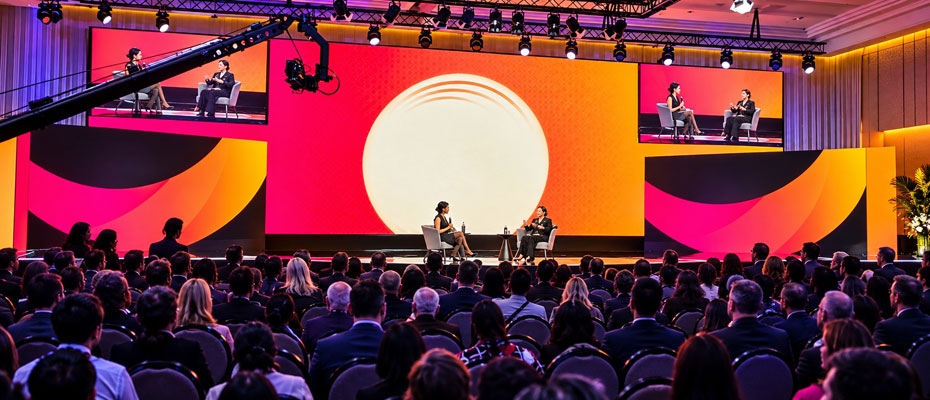
Thailand is placing greater emphasis on wellness, cultural experiences and higher-value tourism as it seeks to reshape the economic contribution of international travel. The Tourism Authority of Thailand (TAT) presented its strategic priorities at CNN Global Perspectives: In Bangkok on 14 October 2026, using the international forum to promote a tourism model that looks beyond visitor numbers towards spending, quality of experiences and benefits for local communities.
The event, held at The Ritz-Carlton, Bangkok, marked the first Asian edition of CNN Global Perspectives. Organised alongside the Annual Meetings of the International Monetary Fund and World Bank Group, it brought together representatives from government, finance, business and the creative industries. TAT participated as a supporting partner, positioning tourism within wider discussions about investment, economic development and international cooperation.
For Thailand's tourism industry, the central message was a shift from volume-driven growth towards a broader visitor economy. The authority wants tourism to create opportunities across more destinations and economic sectors, including healthcare, wellness, culture, gastronomy and creative industries. One of its stated objectives is to achieve a 60:40 distribution between major tourism centres and emerging destinations, encouraging visitors to explore regions beyond the country's established hotspots.
Wellness Becomes a Strategic Priority
A central element of Thailand's tourism strategy is its ambition to strengthen its international position as a wellness destination.
Under the communication concept "Healing is the New Luxury", TAT is promoting experiences built around physical and mental well-being, personal renewal and a closer connection with nature and local culture.
The approach reflects a broader interpretation of luxury travel. Rather than concentrating exclusively on premium accommodation and conventional high-end services, Thailand wants to emphasise the value of time, space, personal attention and experiences that contribute to long-term well-being.
The country is seeking to combine traditional wellness practices, including Thai massage and mindfulness, with modern healthcare, preventive medicine and specialised wellness services.
This creates opportunities for hotels, resorts, medical tourism providers and destination management companies to develop products that extend beyond conventional leisure holidays.
Wellness retreats, preventive health programmes, culturally rooted experiences and longer stays focused on personal well-being could become increasingly important components of Thailand's international tourism offering.
TAT Governor Thapanee Kiatphaibool described the event as an opportunity to connect tourism with wider national priorities, including healthcare, culture, business and quality of life.
More Tourism Revenue Beyond Established Destinations
The proposed redistribution of tourism activity is another important element of the strategy.
Thailand's major tourism centres have traditionally attracted a substantial share of international arrivals and visitor expenditure. TAT now wants emerging destinations to participate more strongly in the economic benefits generated by tourism.
Its 60:40 objective is intended to encourage a more balanced geographical distribution of demand between established and developing tourism areas.
For the travel trade, this approach could create opportunities to introduce new itineraries, regional accommodation products and experiences that combine popular destinations with lesser-known locations.
Local communities and smaller tourism businesses are also expected to play a greater role in developing the visitor economy.
However, achieving a broader distribution of tourism revenue will require more than destination promotion. Transport connections, accommodation standards, service quality and the availability of marketable tourism products will remain important factors in attracting international visitors to emerging regions.
The strategy therefore has implications for destination development as well as international marketing.
Tourism as Part of a Wider Economic Strategy
During the event, Thapanee discussed Thailand's future tourism direction with Anita Mandarita, Special Advisor to the Secretary-General of UN Tourism.
Their conversation addressed the country's value-over-volume approach, the importance of cultural identity and the potential for tourism to encourage deeper engagement with Thailand through business, education and investment.
TAT is linking these priorities to its Amazing 5 Economy strategy, which encompasses the Life, Sub-Culture, Night, Circular and Platform economies.
The Life Economy is particularly relevant to wellness and health tourism. It extends beyond medical treatment and spa services to include longevity, preventive healthcare and improvements in quality of life.
Other elements of the strategy aim to connect tourism with cultural communities, nightlife, sustainability and digital platforms.
Together, these sectors are intended to broaden the economic activities associated with international visitors and create additional opportunities for Thai businesses.
The authority also regards Thailand's cultural identity, referred to as "Thai-ness", as an important competitive advantage. Traditional hospitality, cuisine, festivals, creative industries and everyday cultural practices are presented as experiences that international destinations cannot easily replicate.
For tourism operators, this emphasis supports the development of products that combine accommodation and sightseeing with cultural participation, local gastronomy and encounters with communities.
Bangkok Strengthens Its International Business Profile
The CNN Global Perspectives event also provided an opportunity to present Bangkok as a destination for major international meetings and business gatherings.
The programme featured representatives from international finance, business, government and the creative industries, including Bank of Korea Governor Hyun Song Shin and DBS Group Chief Executive Tan Su Shan.
Discussions covered economic transformation, technology, healthcare, finance, media and cultural developments.
By participating in a forum associated with major international economic meetings, TAT sought to broaden Thailand's international profile beyond leisure tourism.
The initiative reflects the authority's intention to connect tourism more closely with investment, knowledge exchange and international business relationships.
For Thailand's hospitality industry, the strategy points towards a more diversified demand structure, combining traditional holiday travel with wellness, business events and specialised experiences.
The emphasis on higher-value tourism does not necessarily imply fewer visitors. Instead, TAT is seeking to increase the economic and social benefits generated by tourism while extending those benefits to a wider range of destinations and businesses.
The success of this approach will depend on how effectively the strategic priorities translate into commercially viable tourism products, stronger regional infrastructure and sustained international demand.
Image Credit: © AI generated illustration with material courtesy of TAT
The most interesting news


Shanghai Disneyland unveils new winter attractions for 2026/27
Disney Winter Frostival runs from November 19 to February 20 with new entertainment, Christmas celebrations and seasonal hotel packages

Club Med Launches November Discounts of Up to 30% Across Asian Resorts
The limited-time campaign covers beach holidays in Southeast Asia and the Maldives as well as winter ski breaks in Japan and China

Lufthansa Group Reports Record Quarterly Revenue Despite Rising Fuel Costs
Third-quarter revenue reaches €12.2 billion as strong passenger demand and higher profits at Lufthansa Cargo and Lufthansa Technik support earnings

WTTC Welcomes 50 Members as Global Tourism Industry Expands
Four Seasons and Mandarin Oriental join the organisation’s Executive Committee as travel and tourism is forecast to contribute US$11.9 trillion to the global economy in 2026

Ryanair Extends Erasmus Student Partnership with Discounted Flights for 2026/27
The airline and Erasmus Student Network enter their tenth year of cooperation, offering members 15% off four one-way flights across Europe
Hyatt adds Impression Isla Mujeres to its Unbound Collection in Mexico
The 123-suite adults-only resort near Cancún retains its luxury all-inclusive concept while joining Hyatt’s portfolio of distinctive independent properties

Saudi Arabia showcases new luxury destinations and tourism growth at WTM London
With 37 tourism partners, new Red Sea resorts and an expanding winter programme, the kingdom is strengthening its international travel trade connections

Hilton highlights growing demand for short breaks across Southeast Asia
New travel research points to more frequent regional trips as hotels develop nature, wellness, golf and culinary experiences for shorter stays

Eurowings Carries More Than 18 Million Passengers in Nine Months
The Lufthansa Group airline reports an 88 percent summer load factor, expands its Berlin network and introduces premium seating on selected routes

Thailand shifts tourism strategy towards higher-value travel in 2027
New air connections, lesser-known destinations and wellness experiences form part of a strategy to increase tourism revenue while spreading visitor spending across the country

Condor expands Bangkok services with daily flights via Abu Dhabi
New codeshare connection with Etihad Airways gives travellers two daily options from Frankfurt to Bangkok and expands access to destinations across Asia, Africa and Australia
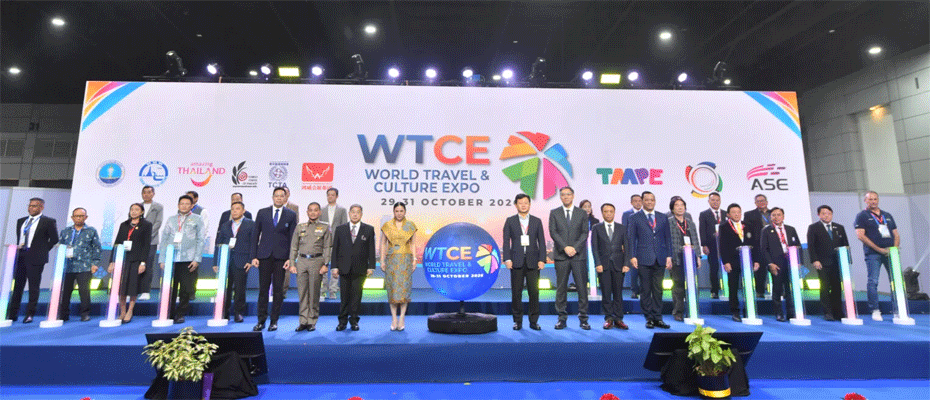
Bangkok Expo Strengthens Thailand’s Ambitions as ASEAN Tourism and Entertainment Hub
The World Travel & Culture Expo brought together partners from 18 countries to explore investment, technology and new opportunities across tourism and the creative industries
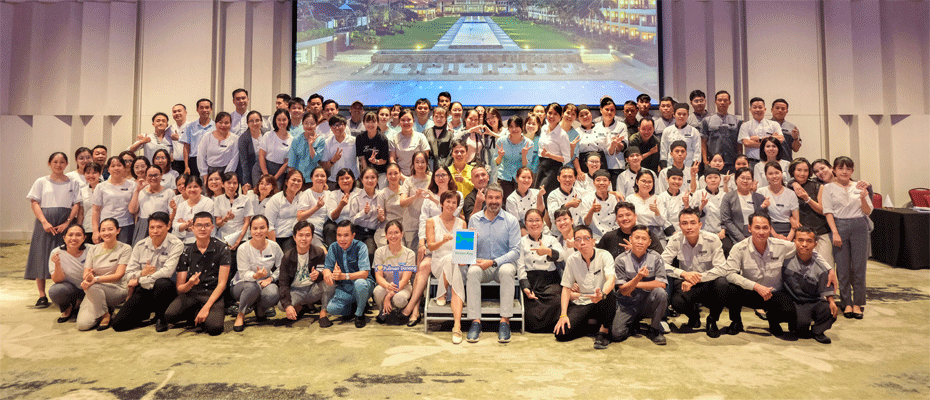
Pullman Danang Beach Resort in Vietnam earns Green Key certification
The beachfront property strengthens its sustainability credentials through resource management, local sourcing and guest experiences connected to Central Vietnam’s communities
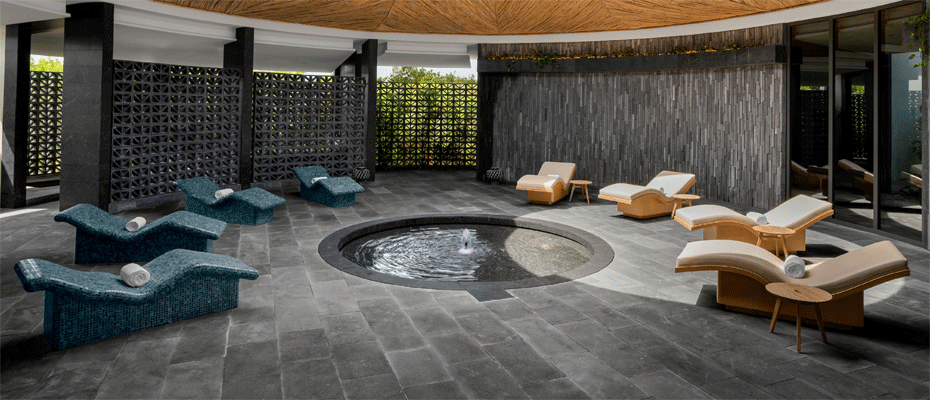
Hilton introduces wellness-focused meetings and events concept
New High Performance Meetings framework integrates nutrition, movement, mental wellbeing and recovery into business events to improve attendee engagement

Climate change threatens snow reliability at Europe's ski resorts
WMO warns that 53% of European ski resorts could face very high snow availability risks under 2°C warming, raising concerns for winter tourism and mountain economies

Marriott enters Laos with Luxury Collection resort in Luang Prabang
The opening of La Résidence Phou Vao marks Marriott International’s 800th property in Asia Pacific excluding China, bringing a 36-suite hillside retreat into its luxury portfolio
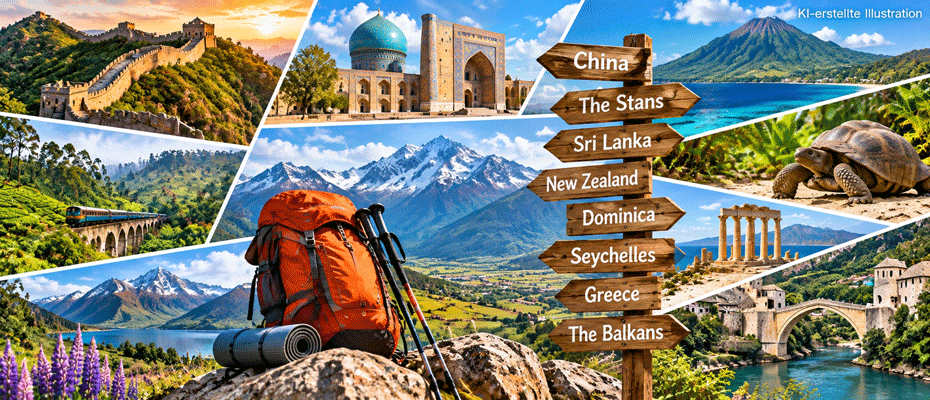
G Adventures identifies eight emerging travel destinations for 2027
The small-group tour operator highlights rising demand for Central Asia, China and the Balkans, alongside new itineraries designed to bring travellers closer to local communities

IHG plans Holiday Inn Resort near India's Gir National Park
The 92-room property in Gujarat is scheduled to open in early 2031, expanding branded accommodation in one of India's most distinctive wildlife tourism destinations

Norwegian Cruise Line launches Black Friday sale with 50% discount
The promotion covers the entire fleet, including upcoming ships Norwegian Aura and Norwegian Bella, with additional benefits available on selected sailings
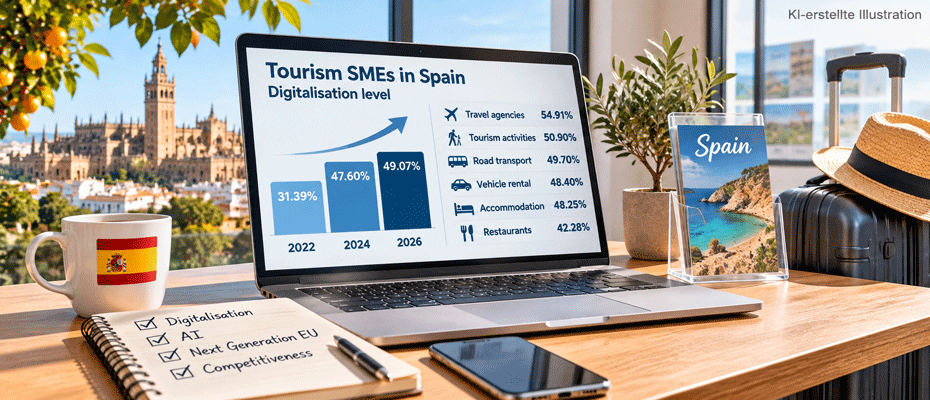
Spain’s tourism SMEs reach 49% digital maturity as AI adoption grows
A new study of more than 2,700 tourism businesses reveals significant progress since 2022, with travel agencies leading digital transformation while microenterprises continue to face substantial barriers

SWISS to introduce Airbus A350 on Zurich–Mumbai route in December
The airline will deploy its new long-haul aircraft on flights to India from 15 December 2026, bringing the SWISS Senses cabin experience to Mumbai for the first time