Tourexpi

Spain’s tourism SMEs reach 49% digital maturity as AI adoption grows
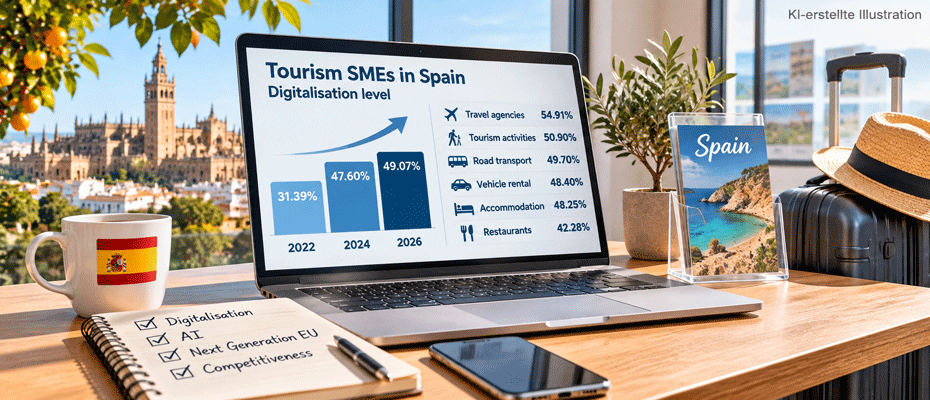
Spain’s tourism industry is making steady progress in digital transformation, although smaller businesses continue to face considerable challenges in adopting new technologies. According to the third national study of digitalisation among tourism SMEs, the sector reached a digital maturity level of 49.07% in 2026, compared with 31.39% in 2022 and 47.6% in 2024.
The findings come from research conducted by Spain’s State Secretariat for Tourism through SEGITTUR, in cooperation with tourism industry representatives. More than 2,700 companies participated in the study, which examines the adoption of digital technologies across six major tourism subsectors. The results suggest that the industry is gradually approaching an intermediate level of digital maturity, supported by European funding programmes and the increasing availability of artificial intelligence tools.
Travel agencies are leading the transformation, achieving a digital maturity score of 54.91%, followed by tourism activities at 50.90%. Both segments have benefited from greater integration with digital platforms, more extensive use of customer and operational data, and growing interest in AI applications. However, the report also identifies significant differences between business categories and company sizes, indicating that technological progress remains uneven across Spain’s tourism economy.
Travel agencies lead digital adoption
The study places road passenger transport at 49.70%, followed by vehicle rental companies at 48.40% and accommodation providers at 48.25%. Digital development in these segments has been supported by direct booking technologies, automated administrative processes and increasingly integrated management systems.
Restaurants and other food service businesses recorded the lowest digital maturity score, at 42.28%. According to the report, these companies face particular difficulties in introducing digital solutions into their daily management processes.
Company size also plays an important role. While small businesses are making progress in digital marketing and strategic planning, microenterprises often struggle to integrate technology systematically into their operations.
Limited financial resources, insufficient time and the demands of daily business operations remain major obstacles. Companies also identify employee training requirements, cybersecurity risks and inadequate internet connectivity in some rural areas as barriers to further development.
These differences are particularly relevant in a tourism industry characterised by large numbers of independently operated businesses. Although digital booking platforms and online marketing have become essential distribution channels, the adoption of more sophisticated management and analytical technologies remains less widespread.
European funding and artificial intelligence drive change
European Union funding has played an important role in supporting digital transformation. According to the study, 45% of participating companies applied for financial assistance through the Next Generation EU programme.
The funding was primarily sought to improve businesses’ online presence and introduce digital management tools. Such investments can help smaller tourism companies modernise their operations and strengthen their ability to compete in increasingly technology-driven markets.
Artificial intelligence is also becoming more common. One in four surveyed businesses reported having used AI, particularly for content creation, chatbots and translation services.
However, the findings indicate that AI adoption remains concentrated on relatively accessible applications. More extensive integration into business strategies, operational management and decision-making processes is still at an early stage.
Rosario Sánchez, Spain’s Secretary of State for Tourism, emphasised the importance of public support in accelerating the sector’s technological development.
“The role of public policies and European Next Generation EU funds has been decisive in accelerating the digitalisation of SMEs and moving towards a more innovative and resilient tourism model,” Sánchez said.
She added that the next challenge is ensuring that technological progress translates into greater business competitiveness and improved visitor experiences.
Digital maturity remains a strategic challenge
The research combines digital questionnaires completed by more than 2,700 tourism companies with interviews and focus groups involving industry associations and specialists in digitalisation and innovation.
The six subsectors covered are accommodation, travel agencies, tourism activities, restaurants, vehicle rental and bus transport.
To make the findings accessible to businesses, the Spanish tourism authorities have established a dedicated platform, Pyme Turística Digital. It provides access to the study results, recommendations for improving digital capabilities and tools allowing tourism SMEs to assess their own digital maturity.
The figures highlight both the progress achieved over the past four years and the considerable scope for further development. While travel agencies and tourism activity providers have moved beyond the halfway point on the study’s digital maturity scale, other segments remain below that threshold.
For Spain’s tourism industry, the next phase will depend not only on access to funding and technology but also on the ability of smaller businesses to incorporate digital tools into everyday operations. Training, organisational capacity and reliable connectivity will remain important factors in determining whether the benefits of digital transformation reach the sector as a whole.
Image Credit: AI generated illustration
The most interesting news


Türkiye Reports Record Tourism Revenue of $51.3 Billion in First Nine Months of 2026
Tourism earnings rise 2.4 percent as the country welcomes 49.1 million visitors, with Russia, Germany and the UK remaining its largest source markets
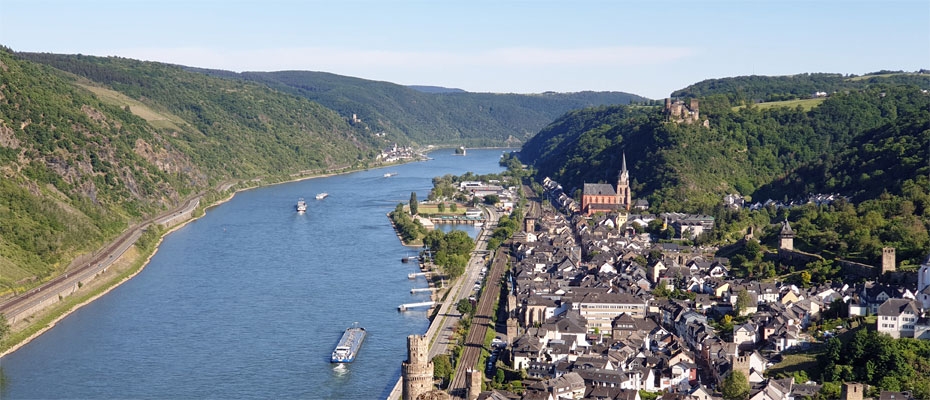

Germany Records Growth in International Tourism During Summer 2026
Foreign visitor overnight stays increased during the peak travel season, with Germany outperforming global tourism growth in the first half of the year


Phuket to Host Global Wellness Summit as Thailand Expands Health Tourism Strategy
The November gathering will bring around 600 international delegates to Thailand as the country promotes traditional healing, wellness travel and higher-value tourism

Lufthansa Group Reports Record Quarterly Revenue Despite Rising Fuel Costs
Third-quarter revenue reaches €12.2 billion as strong passenger demand and higher profits at Lufthansa Cargo and Lufthansa Technik support earnings


WTTC Welcomes 50 Members as Global Tourism Industry Expands
Four Seasons and Mandarin Oriental join the organisation’s Executive Committee as travel and tourism is forecast to contribute US$11.9 trillion to the global economy in 2026
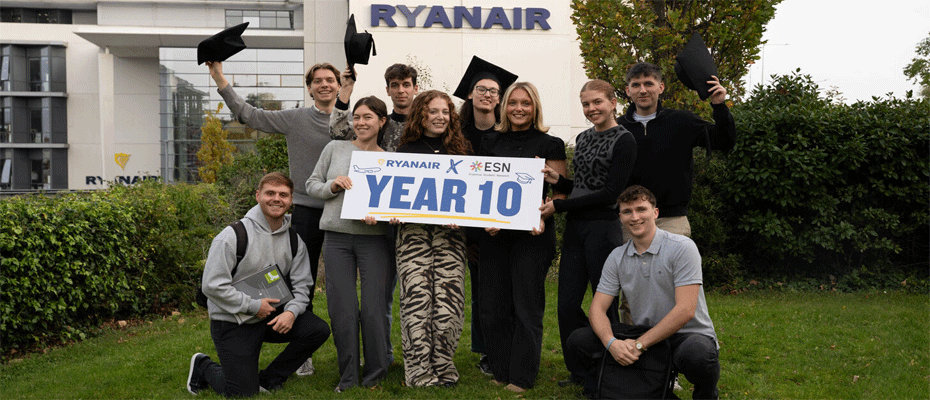
Ryanair Extends Erasmus Student Partnership with Discounted Flights for 2026/27
The airline and Erasmus Student Network enter their tenth year of cooperation, offering members 15% off four one-way flights across Europe

Club Med Launches November Discounts of Up to 30% Across Asian Resorts
The limited-time campaign covers beach holidays in Southeast Asia and the Maldives as well as winter ski breaks in Japan and China

Sanya and Maldives Expand Cooperation in Marine Tourism and Trade
New agreements cover yacht services, fisheries and aquaculture as the Chinese resort city seeks stronger economic links with the Indian Ocean destination

Saudi Arabia showcases new luxury destinations and tourism growth at WTM London
With 37 tourism partners, new Red Sea resorts and an expanding winter programme, the kingdom is strengthening its international travel trade connections

Hilton highlights growing demand for short breaks across Southeast Asia
New travel research points to more frequent regional trips as hotels develop nature, wellness, golf and culinary experiences for shorter stays

Hyatt adds Impression Isla Mujeres to its Unbound Collection in Mexico
The 123-suite adults-only resort near Cancún retains its luxury all-inclusive concept while joining Hyatt’s portfolio of distinctive independent properties

Eurowings Carries More Than 18 Million Passengers in Nine Months
The Lufthansa Group airline reports an 88 percent summer load factor, expands its Berlin network and introduces premium seating on selected routes
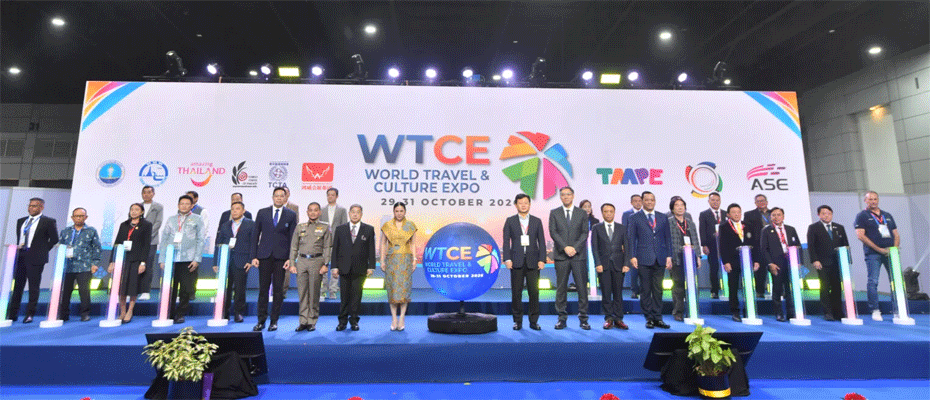
Bangkok Expo Strengthens Thailand’s Ambitions as ASEAN Tourism and Entertainment Hub
The World Travel & Culture Expo brought together partners from 18 countries to explore investment, technology and new opportunities across tourism and the creative industries

Shanghai Disneyland unveils new winter attractions for 2026/27
Disney Winter Frostival runs from November 19 to February 20 with new entertainment, Christmas celebrations and seasonal hotel packages

Thailand shifts tourism strategy towards higher-value travel in 2027
New air connections, lesser-known destinations and wellness experiences form part of a strategy to increase tourism revenue while spreading visitor spending across the country
Pullman Danang Beach Resort in Vietnam earns Green Key certification
The beachfront property strengthens its sustainability credentials through resource management, local sourcing and guest experiences connected to Central Vietnam’s communities

Condor expands Bangkok services with daily flights via Abu Dhabi
New codeshare connection with Etihad Airways gives travellers two daily options from Frankfurt to Bangkok and expands access to destinations across Asia, Africa and Australia

IHG plans Holiday Inn Resort near India's Gir National Park
The 92-room property in Gujarat is scheduled to open in early 2031, expanding branded accommodation in one of India's most distinctive wildlife tourism destinations

Hilton introduces wellness-focused meetings and events concept
New High Performance Meetings framework integrates nutrition, movement, mental wellbeing and recovery into business events to improve attendee engagement

Climate change threatens snow reliability at Europe's ski resorts
WMO warns that 53% of European ski resorts could face very high snow availability risks under 2°C warming, raising concerns for winter tourism and mountain economies

Ryanair to launch flights from Kassel to Spain and Italy in summer 2027
New routes to Palma de Mallorca and Lamezia Terme will expand international connectivity from northern Hesse as the airline calls for lower aviation costs in Germany