Tourexpi

Executive Brief explores who will control travel in 2046
Artificial intelligence, data control and growing
inequalities may fundamentally change how travel works by 2046. A new Executive
Brief developed by Phocuswright and ITB Berlin examines possible futures for
the industry and explores who will ultimately control travel: technology
companies, governments or travelers themselves.
The analysis builds on discussions held during the
first Leadership Exchange at ITB Berlin on March 3, 2026 at CityCube Berlin.
The closed-door forum brought together senior travel industry leaders in a
strategic think tank format to examine how technological transformation, data
ownership and regulatory frameworks could reshape global travel.
Dr. Mario Tobias, CEO of Messe Berlin, said: “The
travel industry is entering a structural shift unlike anything we’ve seen since
the early days of digitalization. With the Leadership Exchange, we created a
space where decision-makers don’t just discuss the future but actively shape
it. The choices we make now around trust, data and value creation will define
the industry for decades to come.”
Artificial intelligence reshapes power structures
Participants agreed that artificial intelligence will
significantly reduce friction across the travel journey, from inspiration and
planning to booking and customer service. At the same time, the technology
could shift influence away from traditional industry structures.
In a future where travelers rely on intelligent agents
to search, compare and book travel products, control over data flows and
algorithms may determine who holds power within the travel ecosystem.
This transformation could also challenge established
brands and intermediaries as AI-driven platforms increasingly become the
primary interface between travelers and travel providers.
Trust becomes a key economic factor
In an environment dominated by artificial
intelligence, trust could become one of the most valuable assets in the travel
industry. Instead of being tied to a single company or platform, trust may
emerge through countless digital interactions, user-generated content and
community signals.
However, the increasing number of AI-driven booking
channels may also blur accountability and increase the risk of trust failures
if systems provide inaccurate or misleading recommendations.
Mieke De Schepper, CEO of Sunweb Group, said: “Trust
is not an algorithm. There’s no single recipe, and in the future, not only
companies, but also consumers will be assessed on whether they can be trusted.”
Personalization becomes the central value driver
As AI agents increasingly handle search and discovery
processes, personalization is expected to become one of the most important
value drivers in travel. Experiences could be tailored in real time based on
extensive data insights and individual preferences.
Timothy O’Neil-Dunne, principal at T2Impact, said: “By
2029, discovery as we know it today will almost disappear. The real value will
sit with personal agents that act on our behalf.”
This shift could weaken the role of traditional
booking channels and reduce the influence of brands if algorithms become the
main source of decision-making for travelers.
Travel access shaped by inequality and regulation
While technology could make travel planning easier and
more efficient, structural challenges remain. Increasing mobility may foster
global connectivity but could also intensify overtourism and place additional
pressure on destinations and infrastructure.
At the same time, economic inequality, geopolitical
developments and government regulations may increasingly determine who can
travel freely.
Stephen Joyce, global strategy lead at Protect Group,
said: “To control immigration and overtourism, travel is becoming more of a
privilege. Countries will either visa their way out of tourism or simply price
people out.”
Industry future between fragmentation and
consolidation
Artificial intelligence could empower smaller niche
providers by enabling highly targeted offerings for specific traveler segments.
At the same time, concentration of data and technological capabilities may
strengthen large global platforms and lead to greater market consolidation.
Participants at the Leadership Exchange agreed that
the next three years will be critical for the industry. Decisions made today
regarding data governance, trust frameworks and technological integration are
likely to shape the structure of global travel for decades to come.
Image
Credit: © AA
The most interesting news
 Read the News

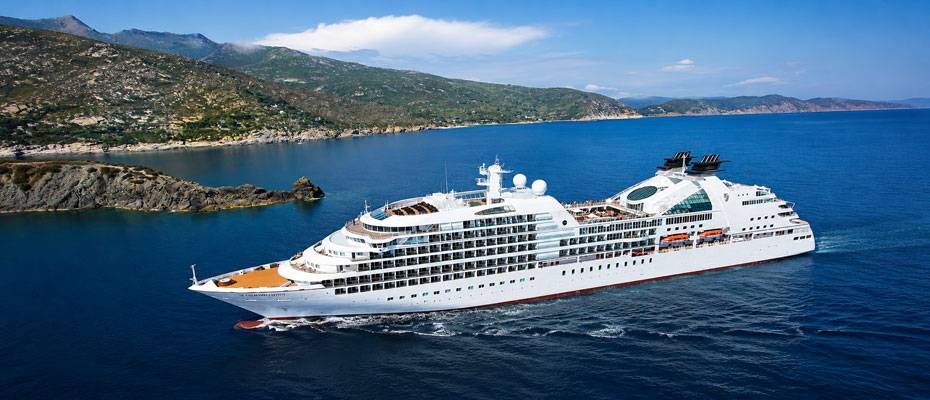
Seabourn Launches 138-Day World Cruise from Miami to Lisbon
Seabourn Quest will visit 58 destinations in 31 countries and territories on a 2029 voyage spanning more than 32,000 nautical miles across five continents
 Read the News
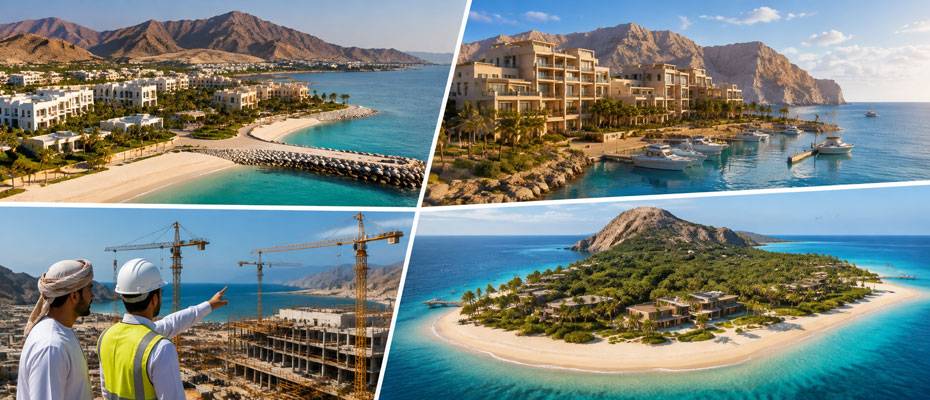
Orascom Expands Tourism Investment Across Oman
Projects in Hawana Salalah, Jebel Sifah and As Sodah Island continue to advance, with new hotels planned and investment in the private-island development set to exceed $90 million
 Read the News
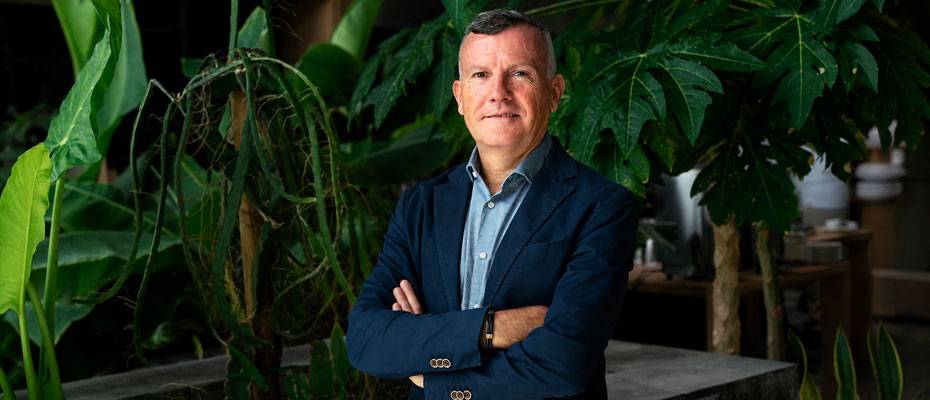
‘We See Ourselves Not Just as a Hotel, but as Hosts on La Gomera’
Inspired by the island’s traditional terraced fields, Bancal Hotel & Spa combines architecture, local cuisine, wellness and nature. Director Olivier Doche explains how the hotel aims to make La Gomera itself an integral part of every stay
 Read the News
Chile marks National Wine Day with more than 50 experiences
Wine regions across the country will offer tastings, vineyard tours, dinners, heritage experiences and urban events for National Wine Day on September 4
 Read the News
Club Med launches biggest ski sale for 2026/27 winter season
Ski Days offers savings of up to $1,040 at participating French Alps resorts and Québec-Charlevoix, with bookings open until September 15
 Read the News
Family travel: multigenerational holidays reshape resort stays
Bahia Principe is adapting its portfolio to growing demand from families seeking shared experiences across different generations
 Read the News
Spain adds 7.4% more international air seats for September
Nearly 13.1 million seats are scheduled on international flights to Spain, with particularly strong growth from Poland, Turkey and Italy
 Read the News
Bosnia and Herzegovina: Sarajevo Tourism Surges on Concerts and Film Festival
More than 100,000 tourists visited Sarajevo in July as major music and cultural events generated strong demand for hotels, restaurants and transport
 Read the News

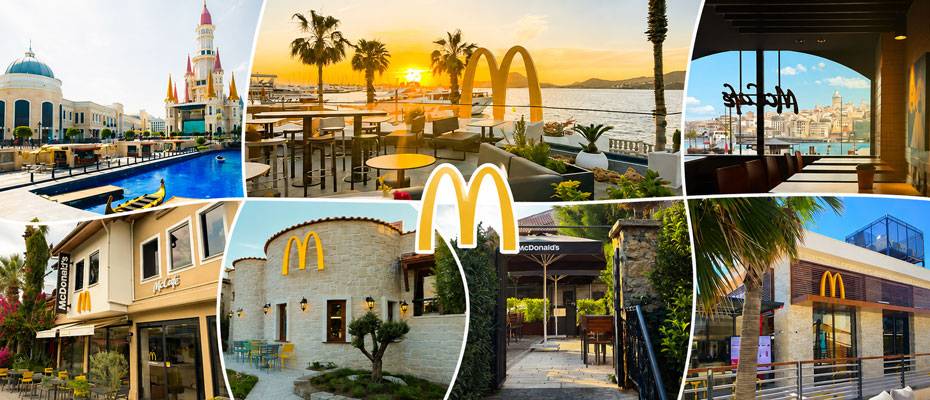
McDonald’s Türkiye highlights seven restaurants shaped by their locations
From Istanbul and Antalya to Bodrum and Göcek, seven distinctive restaurants combine familiar branding with architecture and design inspired by their surroundings
 Read the News
Vietnam: Hyatt Regency Danang Expands MICE Experiences Beyond the Meeting Room
New sports and team-building activities complement event venues for up to 700 guests at the beachfront resort between Da Nang and Hoi An
 Read the News
China: Fosun Returns to Profit Growth as Overseas Revenue Reaches 56.5%
First-half profit attributable to shareholders rises 160.3% to RMB1.72 billion as the group sharpens its focus on insurance, pharmaceuticals and global expansion
 Read the News
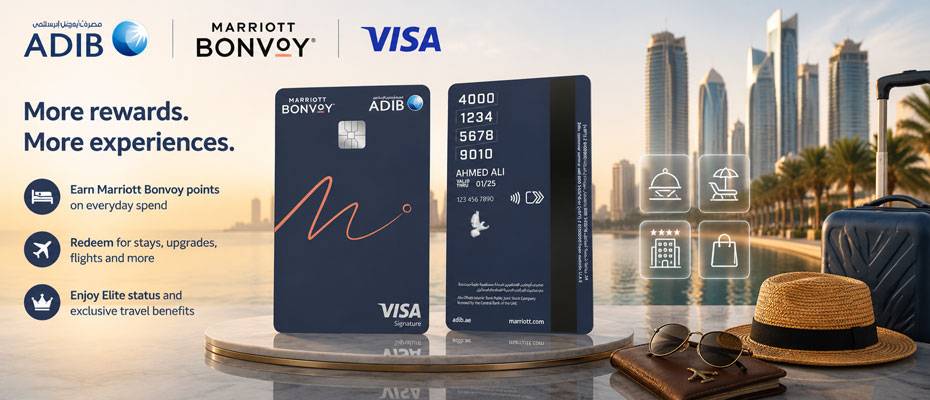
ADIB, Marriott Bonvoy and Visa launch co-branded cards in UAE
New Visa Infinite and Signature cards combine everyday spending with Marriott Bonvoy rewards, hotel status and international travel benefits
 Read the News
Helsinki Biennial returns in 2027 with art across the city
Around 45 artists and artist groups will transform Vallisaari Island, Esplanade Park and HAM Helsinki Art Museum from June to September
 Read the News
Peru: Lima to host more than 500 airport industry leaders at WAGA 2026
The global ACI gathering will focus on connectivity, infrastructure investment, innovation, sustainability and the future development of airports
 Read the News
USA: Delta opens flight attendant recruitment for 2027
The airline is accepting applications from English-speaking and bilingual candidates for upcoming training classes
 Read the News
Asia: Four Seasons turns intimate celebrations into tailor-made journeys
From micro-weddings and anniversaries to family reunions and corporate retreats, Four Seasons resorts across Asia are expanding their focus on personalised small-group experiences
 Read the News
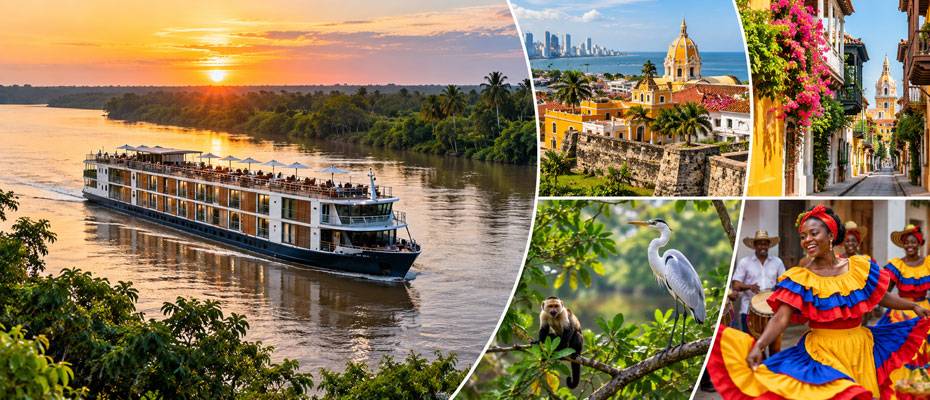
Colombia: inventia adds Río Magdalena cruises to South America programme
Two eight-day itineraries between Cartagena and Barranquilla combine river landscapes with colonial heritage, wildlife and local culture
 Read the News

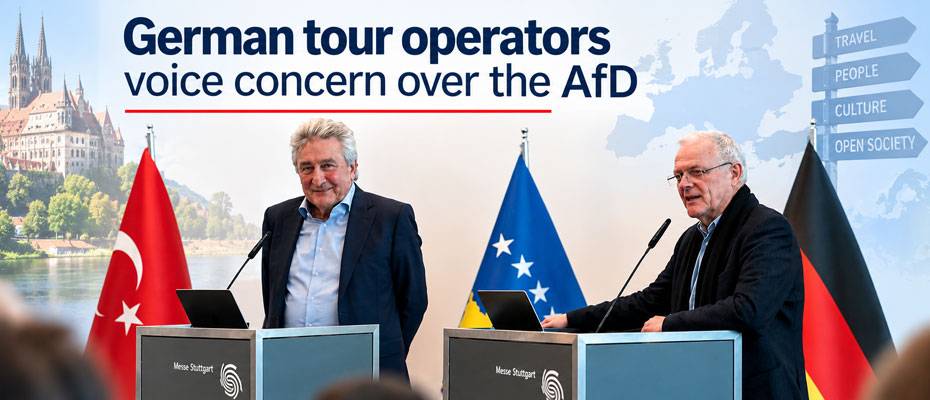
Germany: When tourism becomes a question of identity
Günter Ihlau and Wolfgang Isenberg examine the AfD’s tourism policies and argue for travel as an expression of openness, diversity and individual judgement
 Read the News
Germany: Thuringia hosts GNTB Travel Summit 2026
Around 60 international buyers from 14 European source markets will meet tourism suppliers in Erfurt from 20 to 23 September
 Read the News
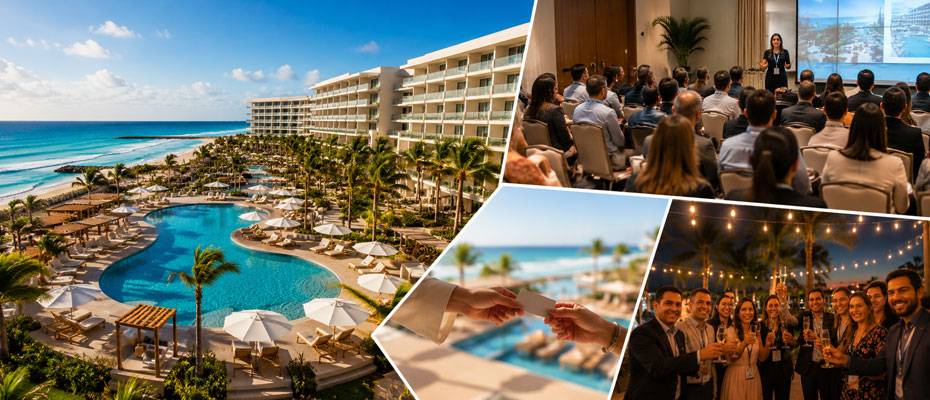
Fam Fest Latam Returns to Cancún for Its 12th Edition
From 2 to 6 September, leading Latin American travel agents and tour operators will gather at AVA Resort Cancun for training, awards and first-hand insights into the expanding PAM Hotels portfolio
 Read the News
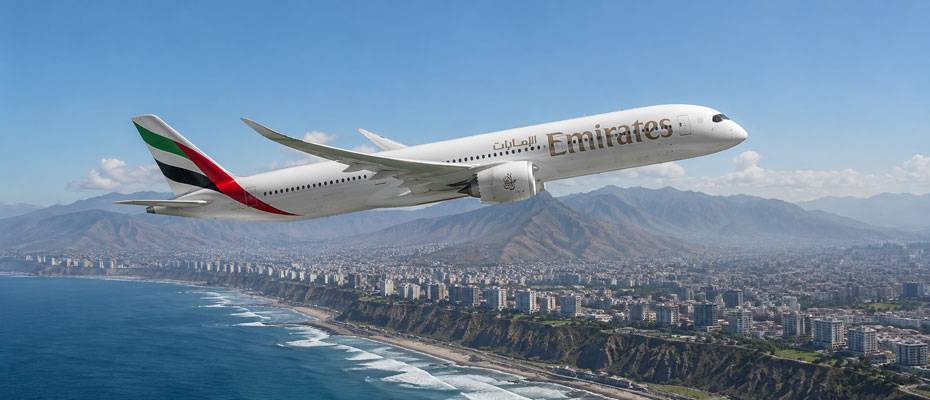
Emirates could add Lima service via Milan
The airline is reportedly seeking fifth-freedom rights for a Dubai–Milan–Lima route, potentially adding a new direct connection between Italy and Peru