Tourexpi

WTTC presents seven principles for sustainable destination management
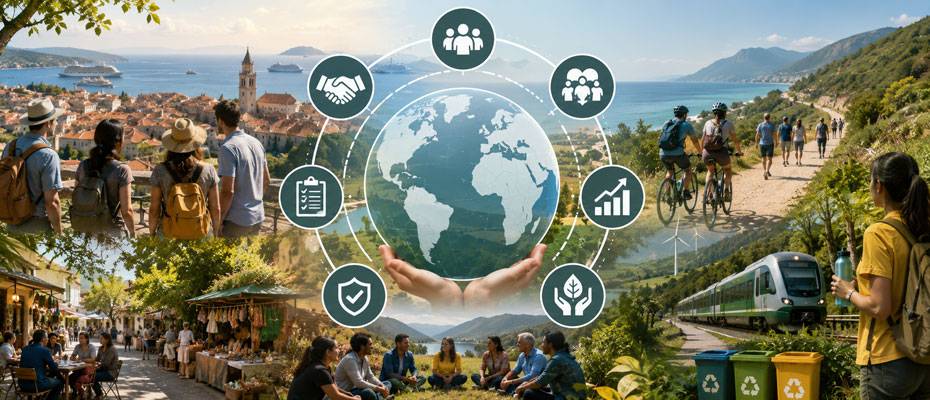
The World Travel & Tourism Council (WTTC) has
published a new policy brief encouraging destinations to rethink how they
manage tourism growth. Rather than focusing solely on visitor numbers, the
organisation advocates a broader approach that prioritises resident wellbeing,
long-term resilience and shared economic benefits.
The publication, Destination Stewardship: Creating
Value for All, outlines seven practical principles designed to help
governments, tourism authorities and the private sector work together to ensure
that tourism growth creates lasting value for local communities while enhancing
the visitor experience.
Tourism remains a major economic driver
According to WTTC, Travel & Tourism continues to
be one of the world's most important economic sectors. It currently supports
one in every ten jobs worldwide and contributes around 10 per cent of global
GDP.
In 2025 alone, the sector generated US$11.6 trillion
for the global economy and supported 366 million jobs. Over the next decade,
WTTC expects one in every three new jobs worldwide to be created by the travel
and tourism industry.
Against this backdrop, the organisation argues that
destinations should move beyond simply attracting more visitors and instead
focus on managing tourism growth more effectively.
Seven principles for long-term success
The new framework is built around seven key
principles. These encourage destinations to plan collaboratively, measure
resident satisfaction, anticipate future challenges, improve the use of data,
spread tourism across different regions and seasons, reinvest tourism revenues
locally and strengthen preparedness for unexpected developments.
Alongside its long-term recommendations, the report
also proposes practical measures that destinations can introduce immediately.
These include monitoring resident sentiment, identifying tourism pressure
points through better data, promoting lesser-known attractions, encouraging
responsible visitor behaviour and establishing coordinated response teams
before peak travel periods.
International examples of destination stewardship
The policy brief highlights destinations that have
already adopted elements of this approach.
Madrid is presented as an example of proactive tourism
planning through its focus on decentralisation, deseasonalisation and close
cooperation between public and private stakeholders.
Colorado demonstrates how resident engagement and
collaborative governance can shape tourism policy, while Bogotá illustrates the
value of investing early in data-driven destination management.
The report also points to Dubrovnik, where improved
management of cruise arrivals has helped reduce pressure on the city without
restricting visitor numbers. New York City is recognised for promoting regional
tourism experiences that distribute economic benefits more evenly, while the
Balearic Islands are highlighted for reinvesting tourism revenues into visible
community improvements.
Further examples come from Copenhagen, Japan,
Ljubljana and South Korea, demonstrating that destination stewardship can be
adapted to different tourism models and local circumstances.
Success measured by community wellbeing
WTTC argues that successful destinations should be
assessed not only by visitor arrivals but also by the quality of life
experienced by residents and the long-term value tourism creates for local
communities.
Gloria Guevara, President & CEO of WTTC, said:
"When destinations are managed well, Travel & Tourism creates jobs,
strengthens communities, protects cultural and natural heritage, and delivers
lasting prosperity. Destination stewardship succeeds when governments, local
communities and the private sector work together with a shared vision for
long-term success. Our seven principles provide a practical framework that
destinations can adapt to their own needs, helping ensure tourism continues to
deliver benefits for everyone."
WTTC believes that embedding destination stewardship
into tourism policy will help destinations strengthen their economies, preserve
their unique character and create better experiences for both residents and
visitors.
Image Credit: © AI generated illustration
The most interesting news
 Read the News

Asia: Agoda identifies six emerging destinations for sleep tourism
From Japanese hot springs to Vietnamese mountain lakes, Agoda highlights quieter Asian destinations for travelers increasingly prioritizing rest and recovery
 Read the News
Caribbean and Brazil: Palladium Hotel Group unveils festive season program
Grand Palladium, TRS Hotels and Family Selection resorts will offer special dining, entertainment and in-room experiences across Mexico, the Dominican Republic, Jamaica and Brazil
 Read the News
Brazil: Pantanal opens up a world of jaguar safaris and nature adventures
Brazil’s vast tropical wetland combines wildlife watching, river journeys, traditional ranch life and conservation experiences across Mato Grosso and Mato Grosso do Sul
 Read the News
Nicaragua waives VAT on tourism services during September holidays
Hotels, hostels and restaurants can join the nine-day tax incentive from September 12 to 20 as Nicaragua seeks to stimulate domestic travel during its patriotic holidays
 Read the News

Turkish tourism stays resilient despite regional conflicts
Strong summer demand keeps visitor numbers stable as TURSAB calls for broader tourism products and tighter rules for foreign digital booking platforms
 Read the News
Carnival Tropicale opens bookings ahead of 2028 Galveston debut
Carnival Cruise Line’s fifth and final Excel-class ship will sail from Texas to the Caribbean, Bahamas and Mexico from April 2028
 Read the News

Eurowings opens new crew training centre in Dusseldorf
New 2,000-square-metre facility near Dusseldorf Airport will train up to 150 crew members a day, with virtual reality technology to follow in 2027
 Read the News
UK tourist tax plans raise concerns over international competitiveness
WTTC warns uncapped overnight visitor levies in England could reduce demand, divert spending abroad and put tourism jobs and investment at risk
 Read the News
PAM Hotels expands MICE focus across Mexico and Latin America
The group presented 14 properties across nine brands at IBTM Americas 2026, targeting new business from meetings, incentives, congresses and corporate events
 Read the News
Malta to host more than 200 global tourism leaders at WTTC Summit
CEOs and senior executives from the world’s leading travel companies will gather in Valletta from 7 to 9 October to discuss technology, investment and the future of tourism
 Read the News
Fraport takes over operations at Brazil’s Jericoacoara Airport
The airport serving one of northeastern Brazil’s leading tourism regions becomes Fraport’s third operation in the country, with modernisation investments planned over the next three years
 Read the News
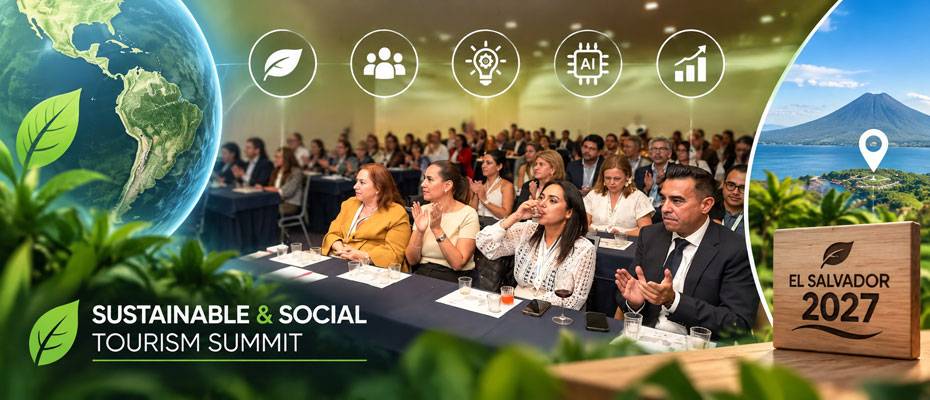
El Salvador to host Sustainable & Social Tourism Summit in 2027
The Mexico City edition brought together 323 participants from 21 countries to examine AI, innovation, sustainability and new approaches to destination development
 Read the News
Colombia adds 20 new international air routes in 2026
Ten airlines are expanding connectivity from the Americas, Europe and the Middle East, adding almost 15,500 weekly seats to Colombia
 Read the News
Türkiye: COP31 and space congress extend Antalya’s tourism season
Two major international events in October and November are expected to boost hotel occupancy and keep Antalya’s tourism industry busy well beyond its traditional season
 Read the News
Marriott expands luxury portfolio in Azerbaijan and Georgia
Three new hotel and residential projects will bring The Ritz-Carlton to Baku’s Caspian coast and Le Méridien to central Tbilisi
 Read the News
Spain: Agentic AI moves into travel booking
TIS 2026 in Seville will examine how autonomous AI, specialisation and new sales models are reshaping travel agencies and distribution
 Read the News
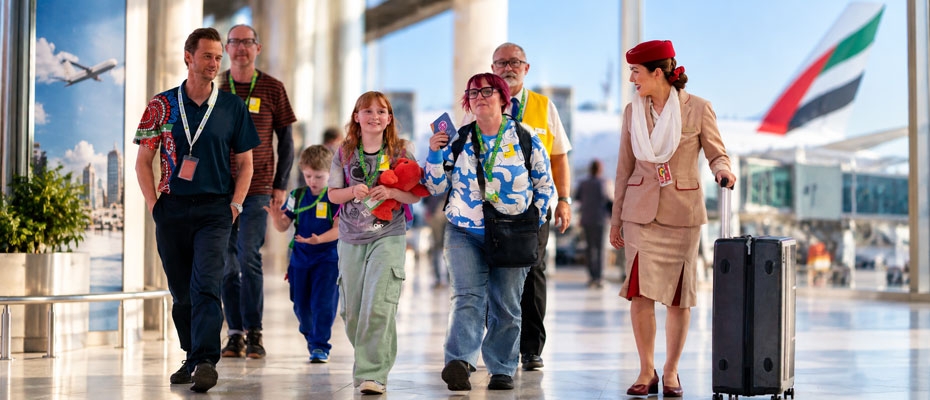
Emirates expands travel rehearsals for neurodiverse families in Australia
Airport and aircraft simulations in Perth, Brisbane and Melbourne are designed to help passengers with autism and sensory sensitivities prepare for their journey
 Read the News
Air India and IHG link loyalty programmes across flights and hotels
Maharaja Club members can earn points at more than 7,100 IHG hotels worldwide, while IHG One Rewards points can now be converted into Air India rewards
 Read the News
Seabourn Quest to explore the Amazon on new 30-day voyage
The luxury cruise will sail roundtrip from Miami in late 2028, combining Caribbean destinations with Amazon communities and an overnight stay in Manaus
 Read the News
Turkish Airlines targets place among world’s 100 most valuable brands
The carrier plans Premium Economy cabins, regional aircraft and further digital investment as it seeks to build on a record $2.9 billion brand valuation
 Read the News
ASUR passenger traffic falls 2.1% in August as international demand weakens
The airport group handled 5.9 million passengers in August 2026, with growth in Colombia offset by declines in Mexico and Puerto Rico