Tourexpi

Türkiye Launches Ancient Anabasis Tourism Route to the Black Sea
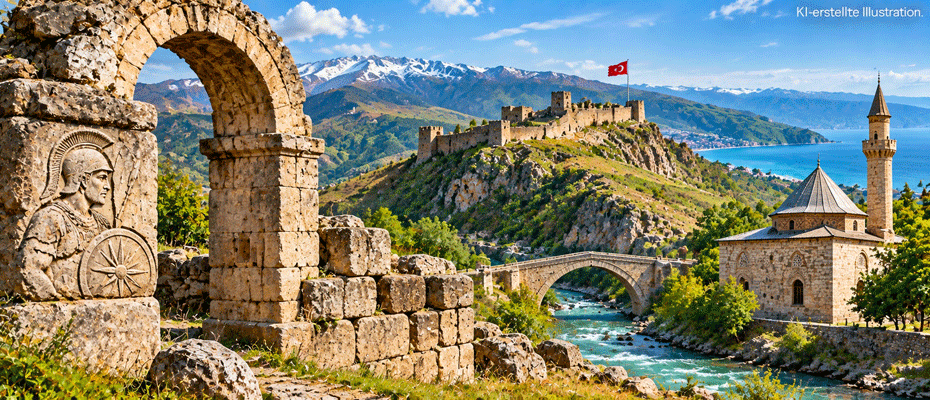
Türkiye has introduced a new cultural tourism route inspired by one of the most remarkable journeys recorded in ancient history. The Anabasis Northern Route follows the broad geographical corridor associated with the retreat of the Ten Thousand, an army of Greek mercenaries whose difficult march through Anatolia was documented by the soldier and historian Xenophon more than 2,400 years ago. The modern itinerary connects four provinces between eastern Anatolia and the Black Sea coast.
Developed by the Turkish Tourism Promotion and Development Agency (TGA), the route forms the third stage of the wider Route of Ancient Cities project. It links Erzurum, Bayburt, Gümüşhane and Trabzon, bringing together archaeological remains, historic settlements, religious monuments and distinctive natural landscapes. The itinerary crosses the Çoruh River basin and the mountain corridors that have connected Anatolia’s interior with the Black Sea for centuries.
For international visitors, the route offers an alternative perspective on a region more commonly associated with highland scenery and coastal tourism. Rather than concentrating on individual landmarks, the itinerary connects sites through a historical narrative, introducing travelers to the region’s ancient military history, medieval architecture, mining heritage and multicultural past.
Following Xenophon’s March to the Sea
The historical inspiration comes from Xenophon’s Anabasis, which describes the expedition and subsequent retreat of approximately 10,000 Greek mercenaries following the death of Cyrus the Younger at the Battle of Cunaxa in 401 BC.
After losing their commanders, the soldiers faced a difficult journey through unfamiliar territory, crossing mountainous regions and encountering numerous communities before eventually reaching the Black Sea.
Xenophon’s account became an important source for understanding the geography and societies of the ancient Near East and Anatolia. Beyond its military narrative, it contains observations about settlements, local populations and the challenges of traveling through remote landscapes.
The new tourism route draws on this historical background without presenting every modern stop as a confirmed location along the ancient army’s exact path. Instead, it connects the broader geographical setting of the journey with cultural and natural attractions accessible to contemporary travelers.
From Erzurum to Bayburt’s Historic Fortifications
The itinerary begins in Erzurum province, where visitors can explore landscapes shaped by geological processes alongside historic monuments.
Among the natural attractions are the Narman Fairy Chimneys, unusual rock formations created by erosion, and the colorful Rainbow Hills. Other stops include Oltu, Engüzek Castle, the Pirinkayalar Observation Terrace and the historic Oşvank Monastery.
The route continues into Bayburt, where the imposing Bayburt Castle overlooks the Çoruh River. The fortress historically protected important connections between eastern Anatolia and the Black Sea. Its structures underwent repairs during the Byzantine period and were subsequently reinforced under various Turkish dynasties and the Ottoman Empire.
Bayburt’s Ulu Mosque provides another architectural highlight. Associated with the Seljuk period, the building has undergone substantial restoration, although surviving elements retain traces of its earlier architectural character.
The nearby Aydıntepe Underground City adds a different dimension to the itinerary, introducing visitors to the region’s underground architectural heritage.
Mining Heritage and Abandoned Mountain Villages
In Gümüşhane province, the Anabasis Northern Route explores a landscape shaped by centuries of mining, commerce and cultural exchange.
One of its stops is the ancient city of Satala, a settlement associated with the region’s Roman-era history. The itinerary also includes the historic Süleymaniye neighborhood, commonly known as Old Gümüşhane.
Süleymaniye developed as an important mining and commercial center, benefiting from local silver deposits and its position along historical trading routes. Its surviving mosques, churches, baths, bridges and educational buildings reflect a period when Turkish, Greek and Armenian communities contributed to the settlement’s cultural life.
Another distinctive attraction is the Santa ruins near Dumanlı village. Spread across mountain slopes, the former mining settlement contains more than 300 stone houses, churches and other structures.
The settlement was largely abandoned following the population exchange between Greece and Türkiye in 1923. Today, its remaining buildings and mountainous surroundings form a protected archaeological and natural area.
For visitors interested in architectural heritage and lesser-known destinations, Santa and Old Gümüşhane provide opportunities to explore aspects of Anatolian history that are often absent from conventional sightseeing itineraries.
A Journey Ending on the Black Sea Coast
The final section reaches Trabzon province, where the mountainous interior gives way to the landscapes of Türkiye’s eastern Black Sea coast.
Natural attractions along this part of the itinerary include Çal Cave and Canikdere Waterfall. Cultural sites include the Girls’ Monastery and examples of traditional Black Sea architecture.
The Beşikdüzü cable car, connecting the coastal area with Beşikdağı, offers panoramic views across the sea and surrounding mountains. Visitors can also explore the Atatürk Mansion, a historic residence associated with Mustafa Kemal Atatürk’s visits to Trabzon.
By linking these locations within a single itinerary, the Anabasis Northern Route creates opportunities for multi-day cultural journeys through provinces that receive less international attention than Türkiye’s established coastal resorts and major historic cities.
The project also demonstrates how historical narratives can support regional tourism development by bringing together existing attractions under a common theme.
Although the route has been presented as a new tourism itinerary, the announcement does not specify fixed departure dates, package prices or a standardized booking system. Travelers and tour operators interested in following the complete route would therefore need to establish the practical arrangements separately.
For Türkiye’s tourism sector, the Anabasis Northern Route adds a historically grounded concept to the country’s growing range of cultural and nature-based travel experiences, connecting eastern Anatolia’s inland heritage with the distinctive landscapes of the Black Sea.
Image Credit: AI generated illustration
The most interesting news


Princess Cruises launches Blue Friday sale with discounts of up to 50 percent
The cruise line is offering reduced fares, additional savings and selected free third- and fourth-guest fares for bookings made by December 7


Turkish Airlines launches Chengdu flights, expanding its China network
Three weekly Boeing 787-9 services connect Istanbul with western China's major business and tourism hub, opening new travel opportunities between Türkiye and Sichuan province

Trinity Airways offers discounted flights between Taiwan and South Korea
The airline formerly known as T'way Air launches promotional fares across seven routes as it develops its new Selective Service Carrier strategy


Bangkok Illuminates the Chao Phraya with Month-Long Light Festival
Vijit Chao Phraya 2026 transforms 19 riverside locations with projections, drone displays and cultural performances from 13 November to 13 December

Southeast Asian travelers discover new destinations in Japan, China and South Korea
Traveloka booking data reveals growing interest in Fukuoka, Jeju and lesser-known Chinese cities as travelers explore alternatives to established East Asian tourism hubs
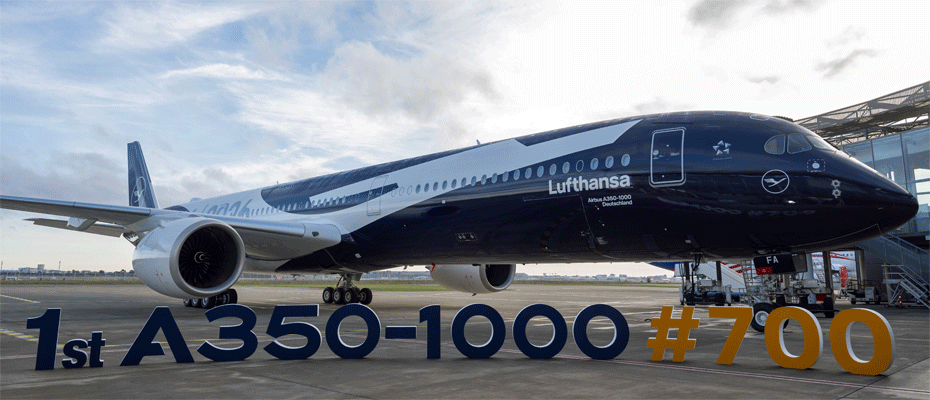

Lufthansa receives 700th Airbus as new A350-1000 flagship prepares for Tokyo debut
The aircraft marks 50 years of cooperation with Airbus and introduces Lufthansa’s latest Allegris cabins and Starlink-powered Wi-Fi on long-haul flights

Thailand expands Balkan tourism links with new Sofia–Phuket flights
A new direct service from Bulgaria and a Romanian travel trade initiative aim to increase visitor arrivals and promote multi-destination holidays along Thailand’s Andaman coast

Marella Cruises strengthens UK travel trade support with two appointments
TUI’s cruise brand introduces its first dedicated Key Account Manager and appoints a new Trade Training Manager to expand sales support and product training for travel agents

Waldorf Astoria plans to nearly triple branded residences portfolio by 2030
Hilton targets 34 residential properties worldwide, with new developments in Mexico, the Caribbean, Europe and Asia reflecting growing demand for luxury homes with hotel services

Spain seeks leading role in EU Sustainable Tourism Strategy
Madrid backs European plans for better destination management and digitalisation while calling for stronger measures on housing, employment and tourism funding

Marella Discovery 2 introduces four new venues as ship goes adults-only
TUI’s UK cruise line is adding private karaoke, an immersive speakeasy, a 1920s escape room and a creative retreat ahead of the 2027 season

Hyatt opens The Mindaro hotel near Portland International Airport
The 90-room lifestyle property forms part of a hospitality complex combining airport accommodation, restaurants and conference facilities
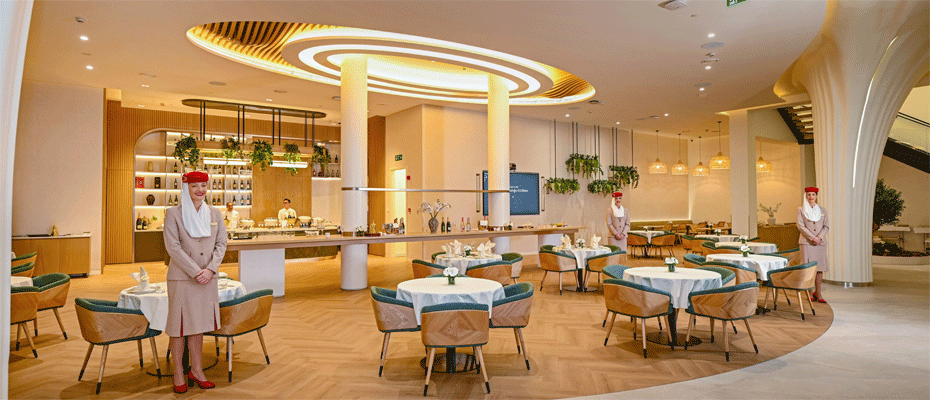
Emirates opens Dubai hospitality training centre to UAE businesses
The airline is making its $8 million training facility available to external organisations, offering courses in customer service, fine dining, gastronomy and leadership
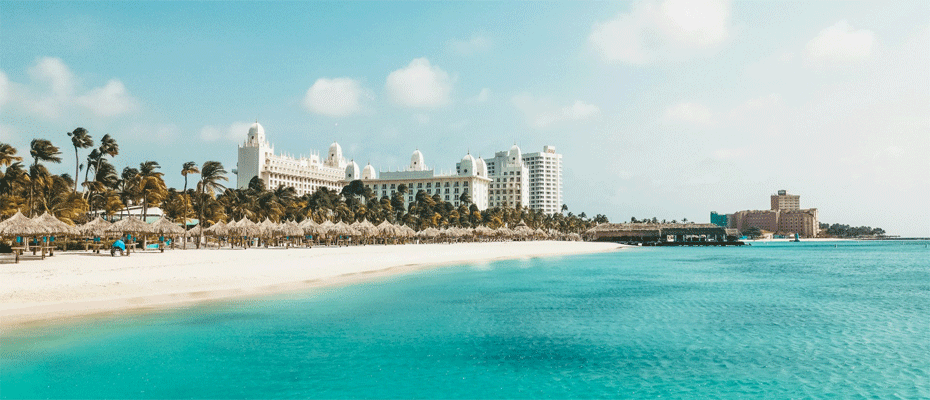
Delta expands summer 2027 flights to US and Caribbean leisure destinations
New seasonal weekend routes and additional frequencies will improve access to national parks, coastal resorts and holiday destinations across North America

WTTC welcomes EU tourism strategy but calls for faster action on travel barriers
The global tourism body supports the European Commission’s new framework for sustainable growth while urging progress on border procedures, investment, digitalisation and workforce development

Jakarta to host major hospitality investment conference in January 2027
The 10th Hospitality Indonesia Conference will bring together more than 500 industry executives to discuss hotel investment, sustainable development, revenue management and travel technology
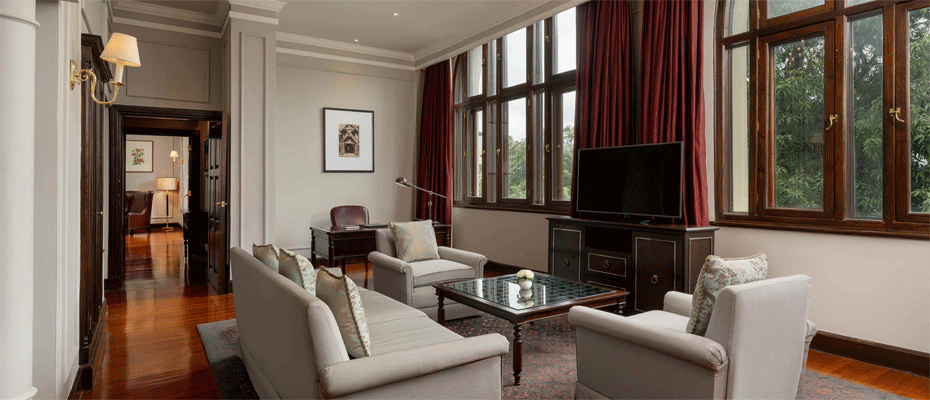
Dusit opens two hotels in Yangon, combining colonial heritage with modern hospitality
Thailand’s Dusit International takes over the historic Strand Hotel and introduces its ASAI lifestyle brand in Myanmar’s largest city
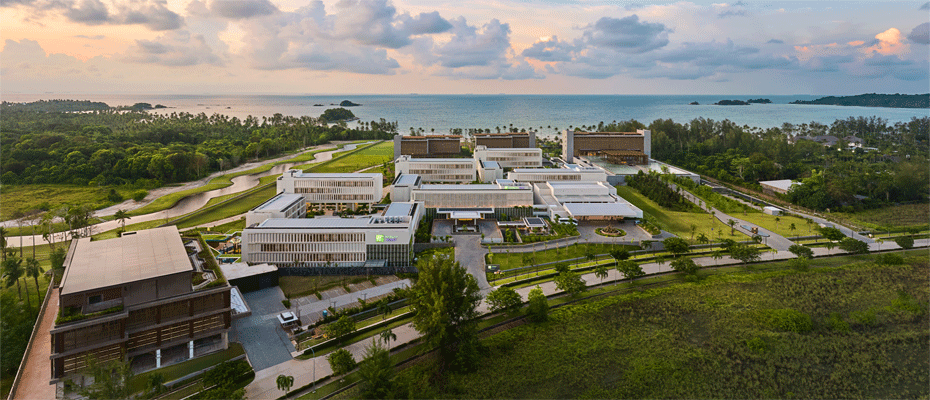
IHG resorts in Indonesia launch hospitality leadership programme for local graduates
Hotel Indigo and Holiday Inn Resort Bintan Lagoi Beach introduce a fully funded two-year training initiative combining practical experience with international certification

Spain’s tourism workforce exceeds 3.25 million as employment rises 5.4%
Tourism added more than 166,000 jobs in the third quarter of 2026, while permanent contracts and international employment continued to grow

Agoda survey finds growing demand for all-in-one travel booking across Asia
The 2027 Asia Travel Pulse shows that 61% of surveyed travellers are open to booking entire trips on one platform, while payment preferences and language support differ significantly between markets
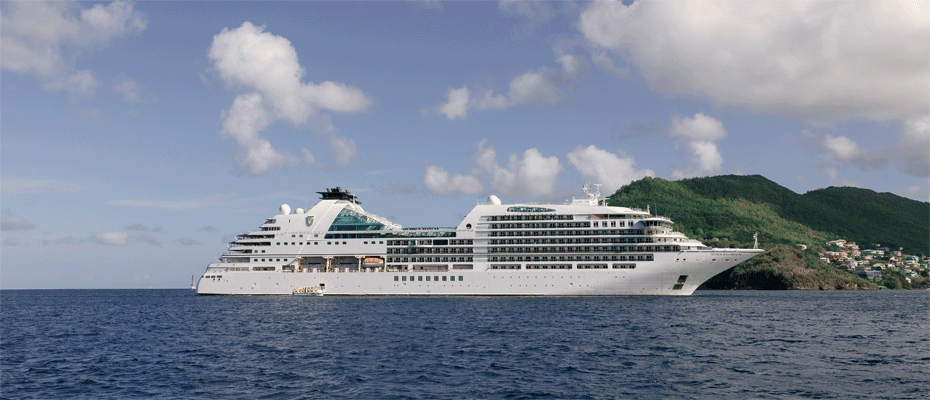
Seabourn Introduces Caribbean-Inspired Culinary Experiences Across Its Voyages
New dining concepts, regional rum cocktails and beachside experiences will connect guests aboard Seabourn Ovation and Seabourn Quest with Caribbean food traditions