Tourexpi

UK Tourism Faces Potential Shortfall of 925,000 Workers by 2036

The United Kingdom's Travel & Tourism sector could face a shortage of 925,000 workers by 2036, potentially putting US$84 billion in economic contribution at risk. The warning comes from the World Travel & Tourism Council (WTTC), whose latest research projects a substantial gap between the industry's future labour requirements and the number of workers available to meet them. The findings highlight workforce availability as a major challenge for the long-term competitiveness of British tourism.
According to WTTC, the projected shortfall represents 17.9% of anticipated labour demand in 2036. If businesses cannot recruit enough employees, the resulting constraints on tourism activity could translate into US$84 billion in lost GDP that year. The estimate includes the sector's direct economic contribution as well as indirect and induced effects across the wider economy. It is a conditional projection rather than an estimate of losses already incurred.
The warning comes amid renewed debate in the UK over employment opportunities for young people, international mobility and the country's economic relationship with the European Union. WTTC argues that the tourism industry could help address several of these challenges simultaneously by creating employment opportunities, improving access to vocational training and strengthening cooperation between government and businesses.
Labour Shortages Threaten Tourism Growth
Travel & Tourism supports employment across a broad range of British industries, including accommodation, aviation, transport, restaurants, visitor attractions and associated supply chains.
Its labour requirements extend from entry-level hospitality positions to highly specialised technical and management roles. This diversity creates opportunities for people with different qualifications and professional backgrounds, but also makes the sector particularly dependent on a sufficiently large and adaptable workforce.
WTTC's projection suggests that recruitment difficulties could become a significant constraint on future expansion. A shortage approaching one million workers would affect not only individual tourism businesses but potentially the wider economic activity generated by visitor spending.
The estimated US$84 billion at risk reflects this broader economic exposure. It includes potential consequences for suppliers and other businesses whose activity depends on tourism demand, rather than representing lost revenue for hotels, airlines or travel companies alone.
Gloria Guevara, President and CEO of WTTC, emphasised the importance of addressing the issue before labour shortages become more severe.
“Travel & Tourism is one of the UK’s most important economic sectors, but its future growth depends on having the people and skills needed to support it. Our research highlights the scale of the challenge, with a potential shortfall of 925,000 workers by 2036 and US$84 billion in economic contribution at risk.”
Young People Could Help Close the Skills Gap
One potential source of additional employees is the large number of young people currently outside education, employment and training.
According to figures cited by WTTC, almost one million people aged between 16 and 24 in the UK fall into this category. The organisation believes that closer cooperation between public authorities, educational institutions and tourism businesses could create more accessible pathways into employment.
Apprenticeships, vocational qualifications and practical training programmes could help young people develop skills relevant to hospitality, aviation, tourism services and related industries.
Such initiatives would also provide employers with opportunities to develop a more sustainable domestic recruitment pipeline.
However, attracting new employees is only part of the challenge. Businesses must also be able to retain experienced staff and provide opportunities for professional development. WTTC therefore supports measures covering recruitment, training and long-term workforce development.
The organisation sees particular value in making tourism careers more accessible to people who have not previously considered working in the sector or who currently face barriers to entering employment.
International Mobility Remains Part of the Solution
Alongside domestic recruitment, WTTC is calling for greater attention to international labour mobility.
The organisation argues that appropriate arrangements for recruiting workers from overseas could help British tourism businesses access skills that may not be readily available within the domestic labour market.
This issue has gained relevance as discussions continue about the UK's future relationship with the European Union and the possibilities for closer economic cooperation.
WTTC does not present international recruitment as an alternative to developing domestic talent. Instead, it considers both approaches complementary elements of a broader employment strategy.
Improved access to international workers could help businesses respond to immediate recruitment difficulties, while investment in apprenticeships and vocational training would strengthen the industry's longer-term workforce.
The council also supports closer cooperation between government and employers to identify skills shortages and develop practical measures suited to different parts of the tourism economy.
For internationally connected industries such as aviation, accommodation and hospitality, the availability of employees with appropriate skills is particularly important to maintaining service quality and operational capacity.
Workforce Policy Becomes an Economic Priority
WTTC's warning places employment policy at the centre of the UK's tourism growth prospects.
The organisation is urging policymakers and businesses to focus on improving access to talent, expanding training opportunities and encouraging more people outside the labour market to consider careers in Travel & Tourism.
Such measures could help the sector meet future demand while creating employment opportunities across different regions and qualification levels.
The potential consequences extend beyond the tourism industry itself. Hotels, transport providers, restaurants and visitor attractions support numerous suppliers and local businesses, making their ability to operate and expand relevant to the wider economy.
At the same time, the projections underline the importance of distinguishing between anticipated growth and the workforce needed to deliver it. Strong tourism demand does not automatically translate into greater economic output if businesses lack sufficient employees.
The 925,000-worker shortfall and US$84 billion economic exposure are projections for 2036, not inevitable outcomes. Their significance lies in illustrating the potential scale of the challenge if recruitment and workforce development fail to keep pace with demand.
For WTTC, the priority is therefore to combine stronger domestic employment initiatives with appropriate international recruitment arrangements. The council argues that timely investment in people and skills will be essential if British Travel & Tourism is to sustain its economic contribution and remain competitive over the coming decade.
Image Credit: © WTTC
The most interesting news
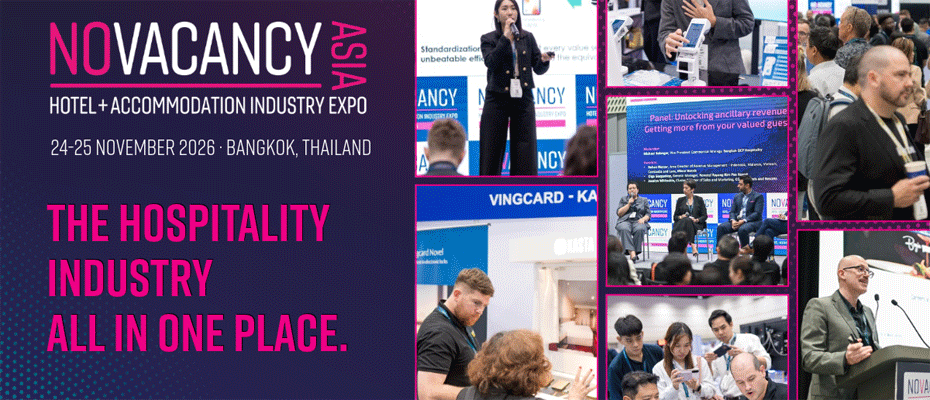

Bangkok to Host 3,000 Hospitality Professionals at NoVacancy Asia 2026
The November trade show brings together leading hotel groups and technology providers to explore AI, revenue management, guest experience and the future of Asian hospitality


Delta and Hyatt launch joint loyalty benefits for flights and hotel stays
SkyMiles and World of Hyatt members can now link their accounts to earn rewards across both programmes, with additional benefits arriving in 2027

Hotel Indigo reaches 40 hotels in Greater China as expansion accelerates
IHG’s lifestyle boutique brand has another 53 properties in development across the region, including hotels inspired by China’s porcelain heritage, Maritime Silk Road and coastal traditions

Agoda: Asian Travelers Look Abroad Again as AI Reshapes Trip Planning
New research across 11 Asian markets points to stronger international travel demand, longer stays and growing interest in lesser-known destinations in 2027

Thailand celebrates Loi Krathong 2026 across six cultural destinations
Ayutthaya leads this year's festival programme as Thailand prepares lantern ceremonies, illuminated rivers and traditional performances from 15 to 25 November


Türkiye Launches Ancient Anabasis Tourism Route to the Black Sea
The new itinerary connects Erzurum, Bayburt, Gümüşhane and Trabzon, combining Xenophon’s historic journey with archaeological sites and mountain landscapes


Lufthansa introduces Premium Business Seat on European and medium-haul routes
From March 2027, passengers travelling from Frankfurt to Athens, Nice and Cairo can book a more spacious Business Class seat on selected Airbus A320 aircraft
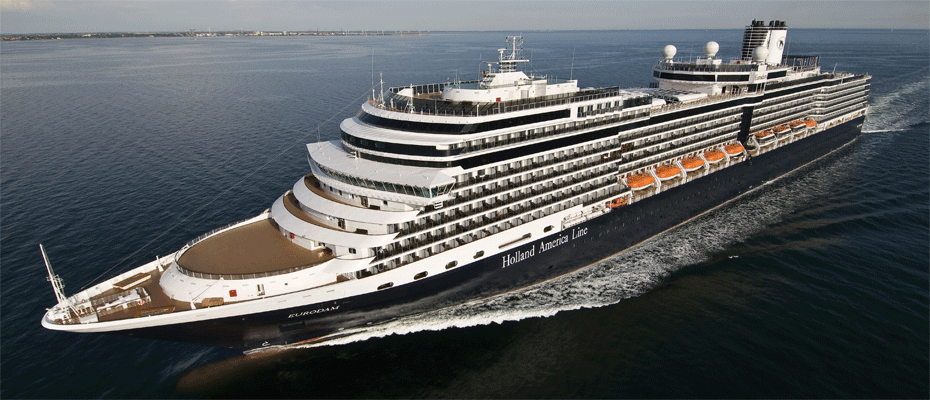
Holland America Line introduces 27-day cruise along Asia’s historic spice routes
The Eurodam will explore 13 ports across Asia in January 2029, combining coffee, tea and spice traditions with extended stays in Bali, Hong Kong and Vietnam

Iberostar opens its first East African resort on Zanzibar
The five-star Iberostar Selection Zanzibar introduces 358 rooms and suites on Muyuni Beach, combining beachfront accommodation with diving, wellness and local cultural experiences
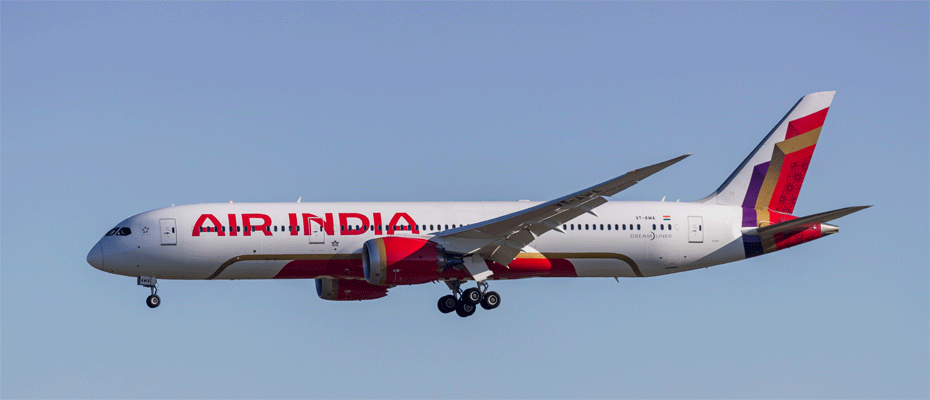
Air India introduces UATP-powered payment solution for travel agencies
The new Partner Pay programme enables agencies and corporate customers to manage bookings across multiple distribution channels through a single prepaid account
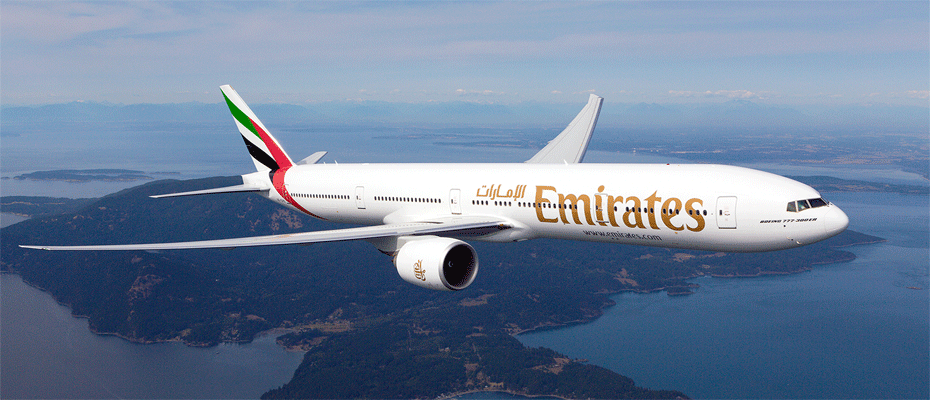
Emirates Skywards Expands Everyday Rewards and Family Travel Benefits
The loyalty programme highlights new ways to earn and redeem Miles through shopping, hotels, entertainment and shared family travel

TUI Care Foundation Supports 12,000 Tourism Entrepreneurs Over Ten Years
The foundation marks its tenth anniversary with projects in 50 destinations, strengthening local businesses, protecting natural resources and preserving cultural heritage

Germany’s Schloss Johannisberg Named World’s Best Vineyard 2026
The historic Riesling estate in the Rheingau tops the global wine tourism ranking, ahead of wineries in Spain and Chile, as 50 vineyards across six continents receive recognition

Bangkok prepares five-day Amazing Thailand Countdown 2027 celebration
Thailand’s capital will welcome the New Year with a major riverside festival featuring a 1,400-metre fireworks display, international performances and Thai cultural experiences
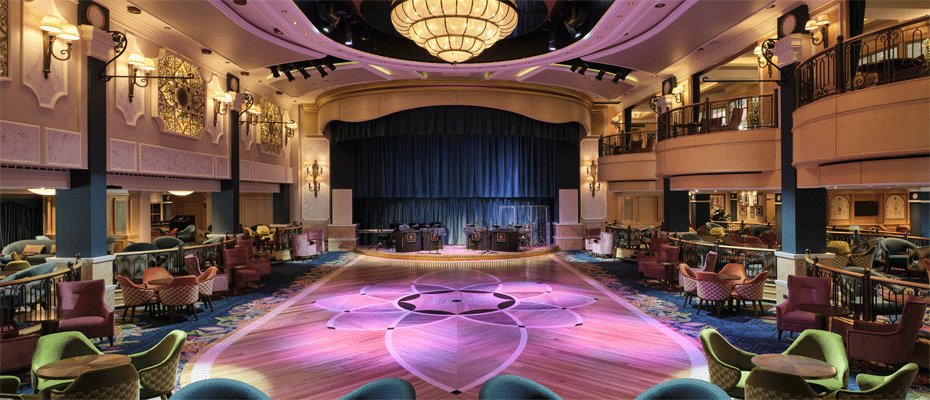
Cunard Unveils Refurbished Queen Victoria Ahead of 2027 World Voyage
The luxury cruise ship returns from a three-week refurbishment in Rotterdam with redesigned public spaces, upgraded suites, a wellness café and additional cabins

Bali strengthens its MICE offering with beachfront convention centre in Sanur
The Bali Beach Convention Center offers 3,750 square metres of event space for up to 5,000 guests, combining large-scale conference facilities with hotel accommodation and coastal surroundings

Hilton presents festive escapes from European cities to tropical beaches
The hotel group highlights Christmas markets, seasonal celebrations and beachfront resorts across Europe, the Americas and Asia-Pacific for the 2026 holiday season
WTTC Launches Ocean Catalyst Group to Strengthen Coastal Tourism Resilience
Announced at COP31 in Antalya, the initiative brings tourism businesses and climate organisations together to protect marine ecosystems and accelerate investment in sustainable coastal destinations
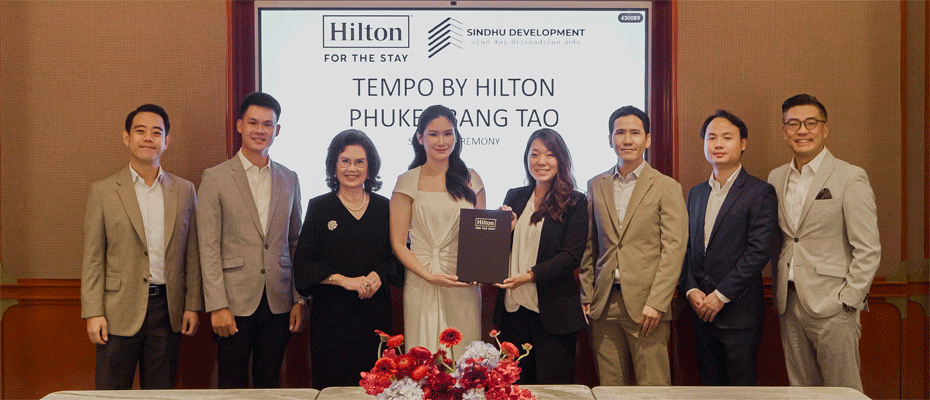
Hilton to Bring Tempo Lifestyle Brand to Phuket with 164-Room Resort
Scheduled to open in late 2030, Tempo by Hilton Phuket Bang Tao will mark the brand’s South East Asian debut and expand Hilton’s growing lifestyle hotel portfolio in Thailand

Lufthansa Extends German Football Partnership to 2031, Adding Women's Team
The airline will continue transporting Germany’s national football teams to major international tournaments, including the 2027 Women’s World Cup in Brazil

South Korean Travellers Embrace AI and Longer Overseas Trips for 2027
Agoda’s latest Asia Travel Pulse reveals growing international travel ambitions, rapid adoption of AI planning tools and a strong preference for culinary and cultural experiences