Tourexpi

WTTC Launches Ocean Catalyst Group to Strengthen Coastal Tourism Resilience

The World Travel & Tourism Council (WTTC), Iberostar Group, Intrepid Travel and the Ocean & Climate Platform have launched the Ocean Catalyst Group, a new private-sector initiative aimed at strengthening the environmental and economic resilience of coastal tourism destinations. Announced on 17 November during the COP31 climate conference in Antalya, Türkiye, the initiative seeks to bring tourism companies, governments and financial institutions together to address the growing pressures facing coastal communities and marine ecosystems.
The launch was accompanied by the publication of the Coastal & Marine Tourism Public-Private Sector Playbook, a practical guide designed to help tourism businesses move beyond individual sustainability measures towards coordinated action across entire destinations. Both initiatives support the Coastal Tourism Breakthrough, part of a wider set of voluntary international commitments intended to accelerate ocean-related climate action by 2030.
The economic importance of the sector is substantial. According to figures presented by WTTC, coastal and marine tourism contributed approximately US$3.3 trillion to global GDP in 2023 and supported around 100 million jobs, including employment generated through supply chains. Its long-term viability, however, depends on healthy coastal ecosystems, reliable energy and water supplies, resilient infrastructure and communities capable of adapting to environmental change.
From Individual Initiatives to Destination-Wide Action
The Ocean Catalyst Group has been established as a voluntary working group for private-sector tourism companies. Its purpose is to identify shared priorities, develop partnerships and mobilise investment in coastal destinations exposed to environmental and climate-related risks.
Rather than prescribing a single approach for every business, the initiative allows participating companies to contribute to projects that reflect their operational priorities and the needs of the destinations in which they operate.
The group also intends to strengthen cooperation with governments, financial institutions and insurers. Such partnerships are particularly relevant where coastal protection, energy infrastructure and climate adaptation require investment beyond the capacity of individual tourism businesses.
For hotels, tour operators and other companies operating in coastal regions, these issues extend beyond environmental responsibility. Damage to beaches, coral reefs and coastal infrastructure can directly affect visitor experiences, business continuity and local employment.
“Coastal and marine tourism is a vital part of the global Travel & Tourism sector. The destinations and communities that depend on it are exposed to growing environmental pressures, so taking action is essential. Bringing together businesses, governments and financial institutions can accelerate investment and strengthen resilience,” said Gloria Guevara, President and CEO of WTTC.
New Playbook Sets Out Practical Priorities
The accompanying Coastal & Marine Tourism Public-Private Sector Playbook provides guidance on how tourism businesses and public authorities can work together to improve sustainability and resilience at destination level.
Its recommendations cover several interconnected areas, including the expansion of renewable energy, cleaner transport systems and investment in infrastructure capable of withstanding environmental pressures.
A central principle is that tourism sustainability cannot be achieved through isolated company initiatives alone. Coastal destinations depend on shared resources and infrastructure, making cooperation between businesses, local authorities and other economic sectors essential.
The Playbook also addresses the relationship between emissions reduction and climate adaptation. While reducing the environmental impact of tourism remains important, destinations must simultaneously prepare for changing coastal conditions and protect the ecosystems on which tourism activity depends.
The publication is intended to help translate broad sustainability commitments into practical measures that can be developed and implemented through public-private partnerships.
Tourism and Renewable Energy Sectors Join Forces
The announcement formed part of a COP31 event titled Delivering and Powering Resilient Coastal Destinations: Accelerating Implementation through Ocean Breakthroughs.
Organised through cooperation between the Coastal Tourism Breakthrough and the Ocean Renewable Energy Breakthrough, the event brought together representatives from tourism, renewable energy, government and finance.
Discussions focused on how coastal tourism demand could support investment in renewable energy systems and more resilient infrastructure. The underlying approach is to connect tourism development with wider efforts to modernise coastal economies and reduce dependence on carbon-intensive energy sources.
For destinations with substantial hotel capacity and seasonal fluctuations in visitor numbers, energy supply and infrastructure planning are closely linked to tourism development. Coordinating investment across sectors could therefore create benefits extending beyond individual hotels or resorts.
Antalya provided a particularly relevant setting for the discussions. As one of the Mediterranean's major tourism regions, the destination illustrates both the economic importance of coastal tourism and its dependence on functioning infrastructure and natural resources.
Coastal Communities at the Centre of Climate Action
The Ocean Catalyst Group also places emphasis on the communities whose livelihoods depend on tourism.
In many coastal and island destinations, hotels, restaurants, transport providers and local suppliers form interconnected economic networks. Environmental degradation or disruption to essential infrastructure can therefore have consequences extending well beyond the tourism businesses directly affected.
The Coastal Tourism Breakthrough seeks to address these vulnerabilities by combining ecosystem protection and restoration with emissions reduction, climate adaptation and community resilience.
The initiative also reflects a growing recognition that protecting natural assets and maintaining economic competitiveness are closely connected. Healthy marine environments, functioning beaches and reliable infrastructure are fundamental to the long-term appeal of coastal destinations.
WTTC and its partners are inviting additional tourism companies to participate in the Ocean Catalyst Group and contribute to future projects. The Coastal & Marine Tourism Public-Private Sector Playbook has been made available through the WTTC Research Hub.
The next challenge will be translating the initiative's voluntary commitments into coordinated investment and measurable improvements in coastal destinations. Its effectiveness will depend on the extent to which tourism businesses, governments and financial partners can turn shared priorities into practical action.
Image Credit: © WTTC
The most interesting news


Turkish Airlines launches Chengdu flights, expanding its China network
Three weekly Boeing 787-9 services connect Istanbul with western China's major business and tourism hub, opening new travel opportunities between Türkiye and Sichuan province


Trinity Airways offers discounted flights between Taiwan and South Korea
The airline formerly known as T'way Air launches promotional fares across seven routes as it develops its new Selective Service Carrier strategy


Bangkok Illuminates the Chao Phraya with Month-Long Light Festival
Vijit Chao Phraya 2026 transforms 19 riverside locations with projections, drone displays and cultural performances from 13 November to 13 December

Bangkok to Host 3,000 Hospitality Professionals at NoVacancy Asia 2026
The November trade show brings together leading hotel groups and technology providers to explore AI, revenue management, guest experience and the future of Asian hospitality

Jakarta to host major hospitality investment conference in January 2027
The 10th Hospitality Indonesia Conference will bring together more than 500 industry executives to discuss hotel investment, sustainable development, revenue management and travel technology
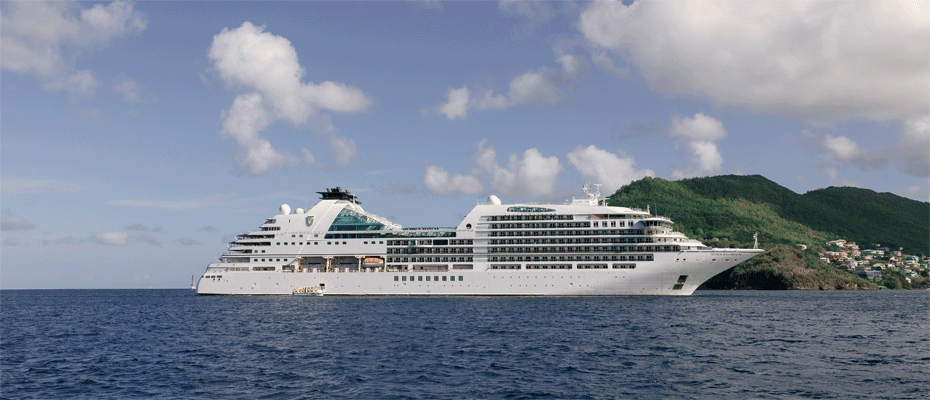
Seabourn Introduces Caribbean-Inspired Culinary Experiences Across Its Voyages
New dining concepts, regional rum cocktails and beachside experiences will connect guests aboard Seabourn Ovation and Seabourn Quest with Caribbean food traditions
Malaysia to Host Cruise Industry Leaders at Seatrade Cruise Asia 2026
More than 18 cruise line brands and delegates from over 30 countries will gather in Kuala Lumpur to discuss Asia’s cruise growth, emerging source markets and new opportunities

Qatar Airways Expands Pre-Order Dining to Medium-Haul Premium Flights
First and Business Class passengers can now select their main courses before departure on flights lasting two hours or more

Sofitel Legend and UNESCO Partner to Preserve Cultural Heritage Through Travel
The global partnership begins in Hanoi with cultural experiences connecting luxury hotel guests to local artisans, traditions and historic sites

TUI Blue Expands with Eight New Hotels in Egypt and Europe
Five properties in Egypt and three in Bulgaria, Croatia and Portugal will join the portfolio between 2027 and 2029
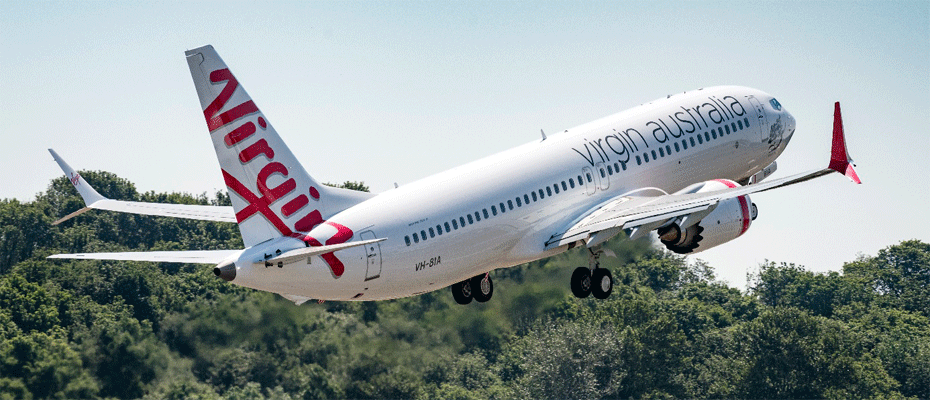
Virgin Australia expands Boeing 737 maintenance partnership with Delta TechOps
Five-year agreement covers component support for more than 100 aircraft, strengthening Delta's aviation maintenance business across the Asia-Pacific region


CMT Stuttgart 2027 to introduce public voting for tourism films
The international tourism film competition The Golden City Gate will allow visitors to rate entries for the first time, with screenings taking place throughout the travel fair

Lufthansa welcomes its first Airbus A350-1000 in Munich
Named “Deutschland,” the new long-haul flagship introduces upgraded premium cabins and Starlink Wi-Fi, with its first commercial flight to Tokyo scheduled for December 3

Agoda: Asian Travelers Look Abroad Again as AI Reshapes Trip Planning
New research across 11 Asian markets points to stronger international travel demand, longer stays and growing interest in lesser-known destinations in 2027

Delta and Hyatt launch joint loyalty benefits for flights and hotel stays
SkyMiles and World of Hyatt members can now link their accounts to earn rewards across both programmes, with additional benefits arriving in 2027

Hotel Indigo reaches 40 hotels in Greater China as expansion accelerates
IHG’s lifestyle boutique brand has another 53 properties in development across the region, including hotels inspired by China’s porcelain heritage, Maritime Silk Road and coastal traditions

Türkiye Launches Ancient Anabasis Tourism Route to the Black Sea
The new itinerary connects Erzurum, Bayburt, Gümüşhane and Trabzon, combining Xenophon’s historic journey with archaeological sites and mountain landscapes
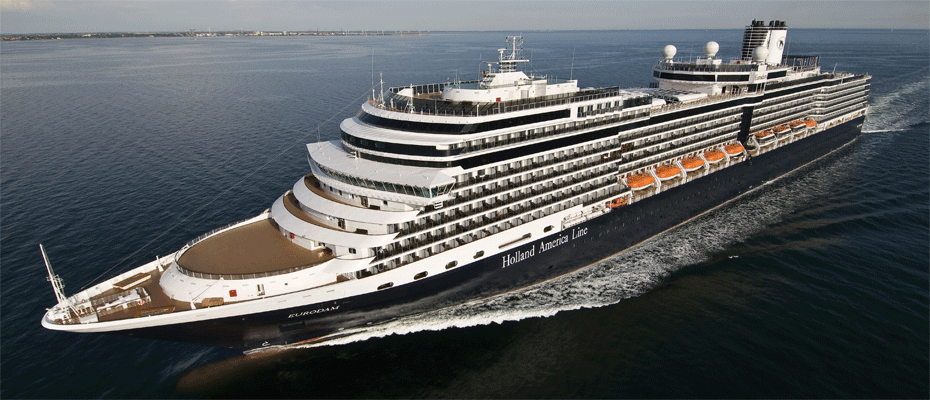
Holland America Line introduces 27-day cruise along Asia’s historic spice routes
The Eurodam will explore 13 ports across Asia in January 2029, combining coffee, tea and spice traditions with extended stays in Bali, Hong Kong and Vietnam

Air India introduces UATP-powered payment solution for travel agencies
The new Partner Pay programme enables agencies and corporate customers to manage bookings across multiple distribution channels through a single prepaid account
Emirates Skywards Expands Everyday Rewards and Family Travel Benefits
The loyalty programme highlights new ways to earn and redeem Miles through shopping, hotels, entertainment and shared family travel

TUI Care Foundation Supports 12,000 Tourism Entrepreneurs Over Ten Years
The foundation marks its tenth anniversary with projects in 50 destinations, strengthening local businesses, protecting natural resources and preserving cultural heritage