Tourexpi

Southeast Asian travelers discover new destinations in Japan, China and South Korea
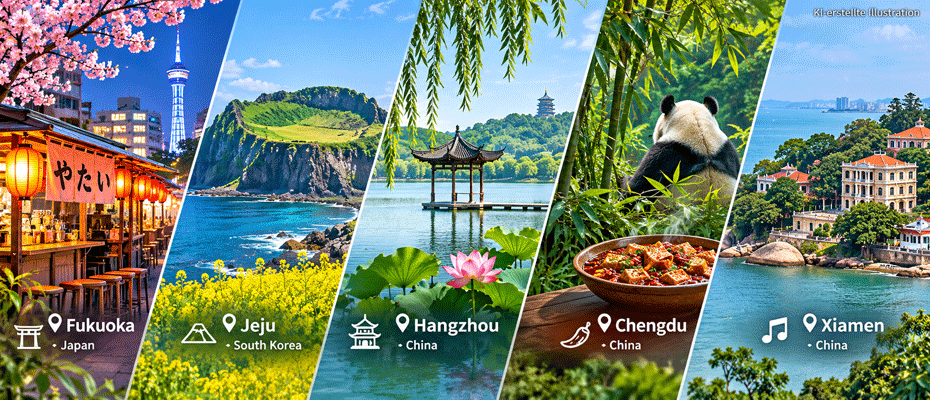
Travelers from Southeast Asia are increasingly looking beyond East Asia’s traditional tourism gateways, according to new booking data released by travel platform Traveloka on November 9, 2026. Destinations including Fukuoka in Japan, Jeju Island in South Korea and several Chinese cities are gaining ground in flight and accommodation bookings. The findings highlight how travel preferences differ across Southeast Asia’s major outbound markets.
Traveloka’s year-on-year analysis identifies distinct destination trends in five countries. Indonesian travelers are showing growing interest in Fukuoka, while Jeju is attracting more bookings from Singapore. In China, Hangzhou is gaining popularity among Vietnamese travelers, Chengdu is performing strongly in Thailand, and Xiamen is emerging as an increasingly attractive destination for Malaysians. The results suggest that regional demand is becoming more geographically diverse rather than concentrating exclusively on established destinations such as Tokyo, Seoul and China's largest metropolitan centers.
The figures are based on Traveloka’s own booking activity and therefore reflect developments within the platform rather than the entire outbound travel market. Nevertheless, the simultaneous growth of flight and hotel bookings in several destinations provides an indication of changing travel patterns. Improved air connectivity, distinctive cultural experiences and greater visibility through social media are among the factors associated with the emerging destinations.
Fukuoka and Jeju attract growing demand
Japan’s southern city of Fukuoka is becoming an increasingly popular destination among Indonesian travelers. According to Traveloka, flight bookings from Indonesia increased by more than 20% year on year, while hotel bookings rose by nearly 75%.
Located on the island of Kyushu, Fukuoka offers an alternative to Japan’s more heavily visited metropolitan destinations. Its attractions include traditional yatai street-food stalls in the Tenjin and Nakasu districts, Ohori Park and the coastal landscapes around Itoshima, known for its seasonal oyster huts.
The difference between flight and hotel booking growth suggests that accommodation demand on the platform is developing particularly strongly, although the data does not establish whether this reflects longer stays, changes in booking behavior or other factors.
South Korea’s Jeju Island is recording similarly notable growth among Singaporean travelers. Traveloka reports that flight bookings from Singapore have doubled, supported by improved accessibility through direct air services.
Jeju offers a tourism experience distinct from Seoul’s urban attractions. Its volcanic landscapes, coastal scenery and natural landmarks include Seongsan Ilchulbong, a volcanic tuff cone overlooking the sea. The island also ranked among Singaporean travelers’ leading international destinations in Traveloka’s third-quarter 2026 Southeast Asia Index.
Chinese destinations gain different source markets
China is experiencing a particularly varied pattern of demand across Southeast Asia, with different cities appealing to travelers from Vietnam, Thailand and Malaysia.
Hangzhou, the capital of Zhejiang province, has emerged as a strong performer in Vietnam. Following the introduction of new air routes, both flight and accommodation bookings through Traveloka more than doubled year on year.
The city is best known for West Lake, a UNESCO World Heritage landscape featuring historic gardens, pagodas, causeways and wooded hills. Hangzhou also ranked among the leading international destinations for Vietnamese users in Traveloka’s third-quarter index.
In Thailand, Chengdu has benefited from growing visibility on social media. The Sichuan provincial capital recorded a doubling of its share of China-related flight and accommodation bookings on the platform.
Chengdu’s culinary identity is an important part of its appeal. Recognized by UNESCO as a Creative City of Gastronomy, the city is associated with Sichuan cuisine and its distinctive use of chili peppers and Sichuan peppercorns.
Malaysia presents another pattern. Xiamen, a coastal city in Fujian province, has more than doubled its share of China flight bookings among Malaysian Traveloka users.
One of its principal attractions is Kulangsu, also known as Gulangyu, a UNESCO-listed island with historic architecture, pedestrian streets and a longstanding musical heritage. Its combination of coastal scenery and cultural attractions offers a different experience from China's larger urban centers.
New opportunities for destination marketing
The findings indicate that Southeast Asia’s outbound travel market cannot be treated as a single group with uniform preferences. While Japanese destinations are gaining traction in Indonesia and South Korea is attracting Singaporean travelers, Chinese cities are developing distinct positions in individual source markets.
For destination marketing organizations, airlines and tourism operators, these differences may offer opportunities to develop more targeted products and promotional strategies. Improved direct connections can make previously less accessible destinations more attractive, while food tourism, cultural heritage and natural landscapes provide additional reasons to travel beyond established gateways.
Traveloka’s analysis also illustrates the importance of distinguishing between different booking indicators. The company’s third-quarter Southeast Asia Index covers July to September 2026, whereas the destination-share figures released in November are based on a separate year-to-date comparison.
As a result, the reported increases should not be interpreted as comprehensive visitor-arrival statistics. They nevertheless provide useful evidence of growing interest in destinations that have traditionally received less attention than East Asia’s major international tourism centers.
For the travel industry, the emerging pattern points towards a more diversified regional tourism market, with opportunities for destinations that combine improved accessibility with distinctive local experiences.
Image Credit: AI generated illustration
The most interesting news


Shanghai Disneyland unveils new winter attractions for 2026/27
Disney Winter Frostival runs from November 19 to February 20 with new entertainment, Christmas celebrations and seasonal hotel packages

Princess Cruises launches Blue Friday sale with discounts of up to 50 percent
The cruise line is offering reduced fares, additional savings and selected free third- and fourth-guest fares for bookings made by December 7

Club Med Launches November Discounts of Up to 30% Across Asian Resorts
The limited-time campaign covers beach holidays in Southeast Asia and the Maldives as well as winter ski breaks in Japan and China


Lufthansa Group Reports Record Quarterly Revenue Despite Rising Fuel Costs
Third-quarter revenue reaches €12.2 billion as strong passenger demand and higher profits at Lufthansa Cargo and Lufthansa Technik support earnings

WTTC Welcomes 50 Members as Global Tourism Industry Expands
Four Seasons and Mandarin Oriental join the organisation’s Executive Committee as travel and tourism is forecast to contribute US$11.9 trillion to the global economy in 2026
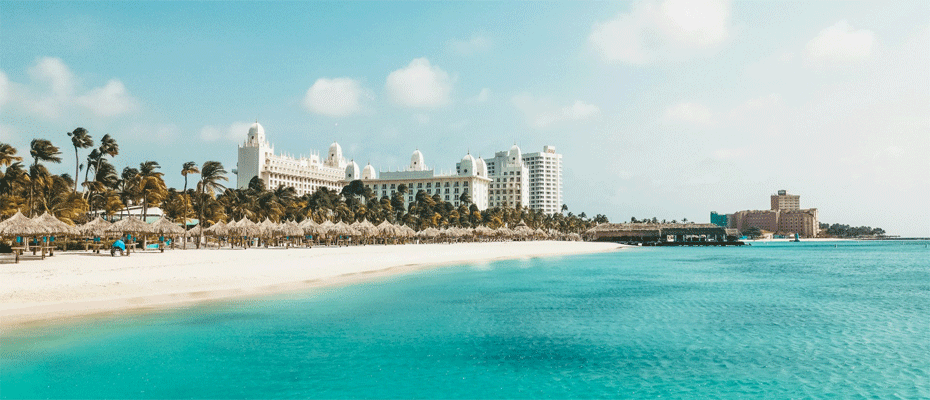
Delta expands summer 2027 flights to US and Caribbean leisure destinations
New seasonal weekend routes and additional frequencies will improve access to national parks, coastal resorts and holiday destinations across North America

Ryanair Extends Erasmus Student Partnership with Discounted Flights for 2026/27
The airline and Erasmus Student Network enter their tenth year of cooperation, offering members 15% off four one-way flights across Europe

Marriott enters Laos with Luxury Collection resort in Luang Prabang
The opening of La Résidence Phou Vao marks Marriott International’s 800th property in Asia Pacific excluding China, bringing a 36-suite hillside retreat into its luxury portfolio
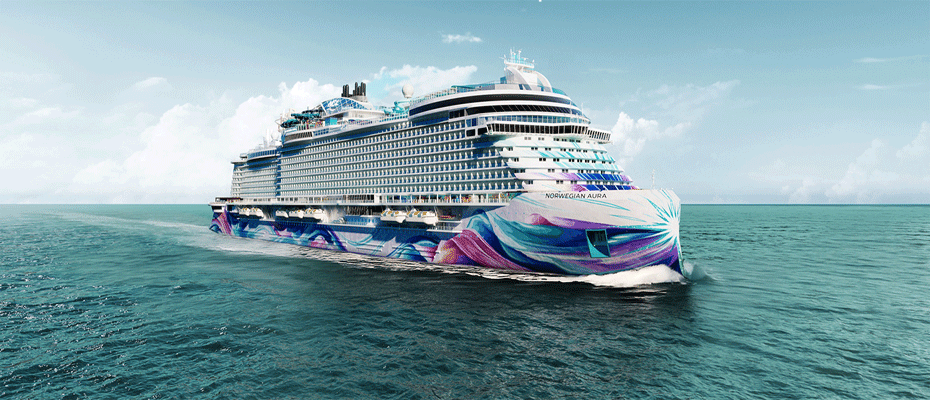
Norwegian Cruise Line launches Black Friday sale with 50% discount
The promotion covers the entire fleet, including upcoming ships Norwegian Aura and Norwegian Bella, with additional benefits available on selected sailings

Hyatt adds Impression Isla Mujeres to its Unbound Collection in Mexico
The 123-suite adults-only resort near Cancún retains its luxury all-inclusive concept while joining Hyatt’s portfolio of distinctive independent properties

Saudi Arabia showcases new luxury destinations and tourism growth at WTM London
With 37 tourism partners, new Red Sea resorts and an expanding winter programme, the kingdom is strengthening its international travel trade connections

Hilton highlights growing demand for short breaks across Southeast Asia
New travel research points to more frequent regional trips as hotels develop nature, wellness, golf and culinary experiences for shorter stays

Eurowings Carries More Than 18 Million Passengers in Nine Months
The Lufthansa Group airline reports an 88 percent summer load factor, expands its Berlin network and introduces premium seating on selected routes
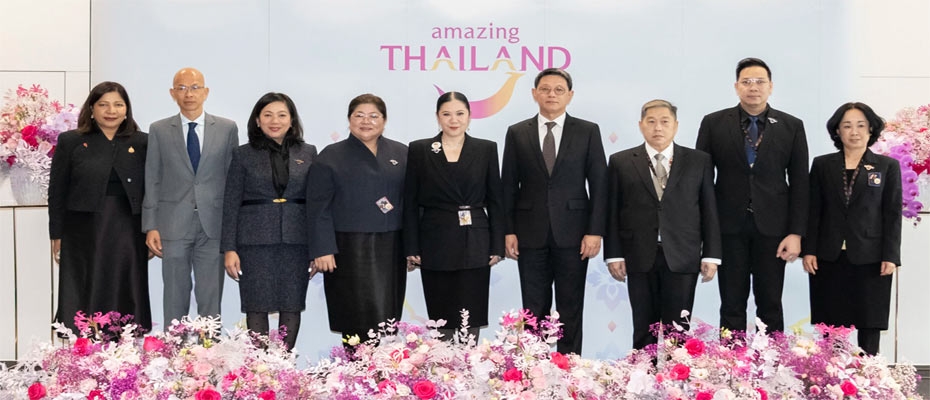

Thailand shifts tourism strategy towards higher-value travel in 2027
New air connections, lesser-known destinations and wellness experiences form part of a strategy to increase tourism revenue while spreading visitor spending across the country

Spain seeks leading role in EU Sustainable Tourism Strategy
Madrid backs European plans for better destination management and digitalisation while calling for stronger measures on housing, employment and tourism funding

Hyatt opens The Mindaro hotel near Portland International Airport
The 90-room lifestyle property forms part of a hospitality complex combining airport accommodation, restaurants and conference facilities

Agoda highlights five lesser-known winter destinations across Asia
From Japan’s snow-covered forests to frozen lakes in China and mountain landscapes in Kashmir, alternative winter escapes offer experiences beyond established ski resorts
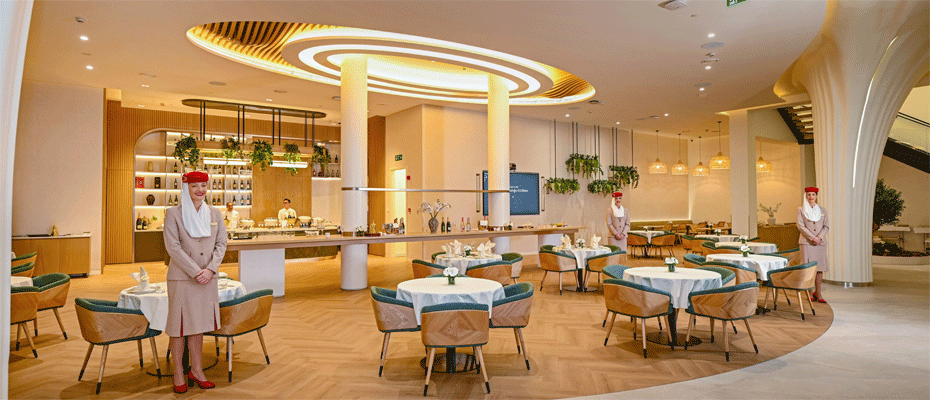
Emirates opens Dubai hospitality training centre to UAE businesses
The airline is making its $8 million training facility available to external organisations, offering courses in customer service, fine dining, gastronomy and leadership

Marella Discovery 2 introduces four new venues as ship goes adults-only
TUI’s UK cruise line is adding private karaoke, an immersive speakeasy, a 1920s escape room and a creative retreat ahead of the 2027 season

Condor expands Bangkok services with daily flights via Abu Dhabi
New codeshare connection with Etihad Airways gives travellers two daily options from Frankfurt to Bangkok and expands access to destinations across Asia, Africa and Australia
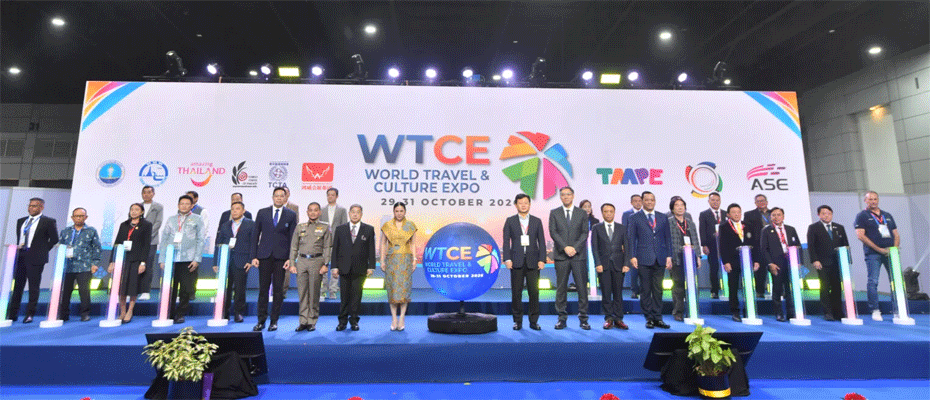
Bangkok Expo Strengthens Thailand’s Ambitions as ASEAN Tourism and Entertainment Hub
The World Travel & Culture Expo brought together partners from 18 countries to explore investment, technology and new opportunities across tourism and the creative industries