Tourexpi

Marriott identifies local cuisine as Asia Pacific’s leading dining trend
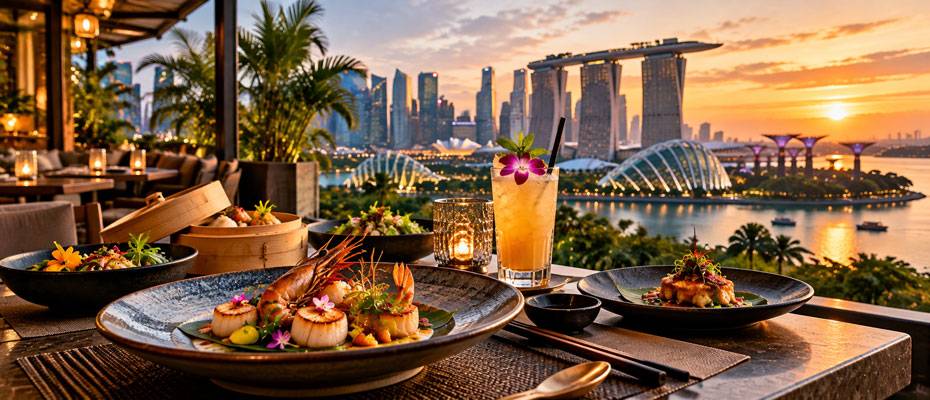
Local cuisine is becoming the strongest influence on
hotel dining across Asia Pacific, according to Marriott International’s latest
Future of Food 2027 report. The study, covering the region excluding China,
finds that 95% of surveyed Marriott properties identify demand for authentic
local signature dishes as a leading market trend. At the same time, traditional
restaurant formats are evolving as guests increasingly favour informal
settings, flexible dining arrangements and experiences connected to the destinations
they visit.
The report draws on insights from Marriott properties,
chefs, hospitality specialists and regional industry representatives. Its
findings suggest that travellers are placing greater importance on the origins
of ingredients, regional culinary traditions and the atmosphere surrounding a
meal. Hotels are responding by developing more distinctive food and beverage
concepts that reflect local culture rather than relying on standardised
international menus.
The changes extend beyond food itself. Bars, lounges,
outdoor terraces and smaller dining venues are becoming increasingly important
parts of hotel operations, while technology is helping operators adapt menus,
staffing and guest services. Marriott also identifies growing interest in
wellness-oriented cuisine, plant-based dishes and alcohol-free beverages.
Together, these developments point towards a hospitality market in which dining
is becoming a more significant element of the overall destination experience.
Local ingredients reshape hotel menus
One of the report’s clearest findings is the
increasing importance of regional ingredients and traditional dishes. Four out
of five surveyed properties introduced new locally sourced ingredients during
the previous year, while nearly three-quarters reported greater use of local
ingredients in beverage menus.
Examples range from vegetables grown around Kyoto to
Kampot sea salt from Cambodia and indigenous spices used across Southeast Asia.
At Hearth, the restaurant at The Ritz-Carlton in Perth, a dish featuring Wagin
duck reflects the growing emphasis on Western Australian produce and seasonal
cooking.
The trend is particularly visible in India and
Indonesia, where 71% and 67% of surveyed properties respectively report strong
demand for local signature cuisine.
For hotel operators, the development creates
opportunities to work more closely with regional farmers, food producers and
culinary specialists. It also allows restaurants to differentiate themselves
through dishes and ingredients that visitors may not encounter elsewhere.
Petr Raba, Vice President of Food & Beverage for
Marriott International in Asia Pacific excluding China, sees the changes as
part of a broader transformation in hospitality.
“Across Asia Pacific, we're witnessing a shift toward
intimate, locally-rooted experiences, where smaller, intentional spaces replace
traditional formal dining models,” Raba said.
He added that hotels are increasingly incorporating
regional culinary talent, locally sourced ingredients and cultural connections
into their dining concepts.
Smaller spaces and shorter experiences
The report also identifies a shift away from
conventional restaurant layouts. Nearly half of surveyed properties report
increasing demand for more casual dining environments, including lounges, bars
and outdoor spaces.
In Vietnam, 71% of participating properties have
observed growth in bar and lounge dining. Some emerging restaurant concepts are
moving towards smaller venues accommodating approximately 40 to 60 guests,
allowing operators to develop more specialised identities and intimate dining
experiences.
Fine dining is undergoing a similar transformation,
particularly in the time guests spend at the table.
Rather than lengthy tasting menus extending over
several hours, restaurants are increasingly offering shorter experiences built
around fewer courses. Across the region, 58% of surveyed properties report
average fine-dining durations of between 90 minutes and two hours.
Singapore stands out for its comparatively fast-paced
dining culture. According to the report, 85% of surveyed restaurants in the
city-state offer fine-dining experiences averaging around 90 minutes.
Other markets are also adapting. One in five surveyed
establishments in South Korea has reduced the number of courses served, while
30% of fine-dining restaurants in the Philippines have introduced à la carte
options.
In Australia, operators are similarly experimenting
with shorter menus and reduced service times, placing greater emphasis on
memorable individual dishes rather than the overall number of courses.
Wellness and technology gain importance
Health-conscious dining is another major theme.
Marriott reports that 97% of surveyed properties offer dishes associated with
health and longevity, reflecting growing interest in nutritional balance and
ingredients rooted in traditional Asian food cultures.
The trend is also influencing services beyond
restaurants. Hotels are introducing healthier minibar selections and
incorporating wellness considerations into evening guest services.
Plant-forward dining is expected to gain further
prominence. Marriott plans to introduce its APEC Plant-Forward Program across
the region in 2027, establishing a more systematic approach to dishes centred
on vegetables, grains, legumes and other plant-based ingredients.
Beverage preferences are changing as well. Some 42% of
surveyed Marriott restaurants and bars report increasing sales of non-alcoholic
drinks. Operators are responding with more elaborate alcohol-free cocktails,
premium alternatives to spirits and non-alcoholic beverage pairings.
Technology is supporting many of these developments.
Artificial intelligence is increasingly being used for menu planning,
marketing, workforce management and analysing guest preferences. In Thailand,
all surveyed Marriott restaurants and bars reported using AI in some aspect of
their operations.
The findings suggest that technology and local
identity are developing alongside one another rather than in opposition.
Digital tools can help hotels manage increasingly personalised services, while
regional ingredients and culinary traditions provide the distinctive
experiences travellers are seeking.
For the wider hospitality industry, Marriott’s report
highlights a growing connection between gastronomy and destination positioning.
Restaurants are no longer simply supporting hotel accommodation but are
becoming attractions in their own right, with the potential to influence
travellers’ choice of property and destination.
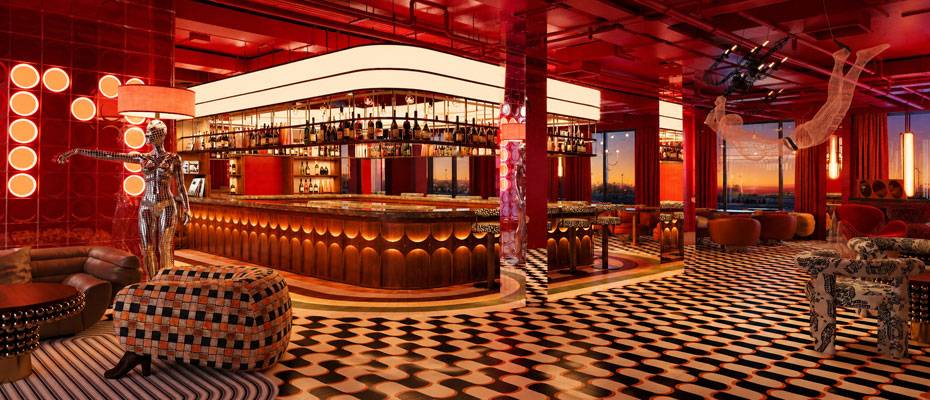
Image Credit: © AI generated illustration
The most interesting news
 Read the News

Global cruise market forecast to nearly double by 2034
Passenger growth, fleet expansion and rising demand for premium and experiential travel are expected to drive the market to $38.5 billion
 Read the News
Hotel Indigo reaches 200 hotels as global expansion accelerates
IHG’s Luxury & Lifestyle brand has doubled its footprint since 2019 and has another 134 properties in the development pipeline
 Read the News
Emirates launches first daily Dubai-Helsinki service
The new year-round route gives Finland its only direct connection to the UAE and opens new one-stop links to Asia, Africa, the Indian Ocean and Australasia
 Read the News

Türkiye’s underwater heritage reveals ancient Mediterranean trade routes
More than 430 shipwrecks have been documented along the Mediterranean coast, while new excavations and museum projects are bringing thousands of years of maritime history to a wider audience
 Read the News
WTTC and ICC join forces to strengthen tourism SMEs worldwide
New partnership targets regulatory, financial, digital and mobility barriers affecting small and medium-sized businesses across global Travel & Tourism
 Read the News

Eurowings expands Middle East network with new Baghdad flights
New services from Berlin and Düsseldorf will complement connections to Dubai, Jeddah, Tel Aviv, Beirut, Erbil and Amman in the 2026/27 winter schedule
 Read the News
Costa Rica launches interactive map of natural and cultural heritage
Free bilingual platform combines tourism, biodiversity, marine science, history and geography in a digital exploration tool
 Read the News
SpongeBob musical to debut at sea on Royal Caribbean’s Hero
Broadway-inspired production will headline the entertainment programme when the new Icon Class ship begins Caribbean cruises from Miami in August 2027
 Read the News
TUI Blue puts holistic wellness at the centre of Asian escapes
TUI Blue Berawa in Bali and TUI Blue Angkor Grace in Cambodia combine yoga, recovery, healthy cuisine and local wellbeing traditions with a relaxed resort experience
 Read the News

Thailand links Middle East travel trade with 80 tourism businesses
Forty representatives from the UAE and Saudi Arabia met Thai suppliers after a six-day product discovery programme in Pattaya, Hua Hin and Bangkok
 Read the News
Phuket Vegetarian Festival brings Hokkien traditions to the streets
The nine-day celebration from 10 to 18 October combines shrine ceremonies, processions and centuries-old rituals across Phuket City
 Read the News
Holland America Line to add Arcadia as 12th ship in 2029
The Vista Class vessel will transfer from P&O Cruises, adding capacity for more than 2,000 guests and supporting Holland America’s fleet modernization program
 Read the News
Lufthansa Group expands Japan network to 50 weekly flights
Lufthansa will return to Nagoya and add daily Frankfurt–Tokyo Narita services as the group significantly increases Japan capacity for Summer 2027
 Read the News
RIU repositions Riu Touareg as family resort after major renovation
The 1,181-room resort on Boa Vista has reopened with redesigned accommodation, expanded dining and a new focus on families
 Read the News
Silversea adds 103 voyages for 2028-2029 season
The new collection spans 56 countries and introduces culinary sailings, 29 new ports and a 75-night circumnavigation of South America
 Read the News
Tempo by Hilton to make German debut at Munich Airport Arena
The 199-room lifestyle hotel is scheduled to open in 2029 as part of the new MUNICH ARENA entertainment campus near Munich Airport
 Read the News
Spain welcomes 12.3 million international tourists in August
International visitor spending exceeded €17.8 billion during the month, while arrivals rose 9.2% and destinations outside Spain’s main tourism regions recorded particularly strong expenditure growth
 Read the News
Southeast Asian travellers look beyond China’s traditional gateways
Traveloka data shows bookings to China’s emerging city destinations growing more than twice as fast as demand for Beijing, Shanghai, Guangzhou and Shenzhen
 Read the News
Hyatt Centric Sapporo opens as new base for exploring Hokkaido
The 216-room property is the Hyatt Centric brand’s first hotel in Hokkaido, combining a central Sapporo location with a strong focus on regional design and cuisine
 Read the News
Oktoberfest draws growing interest from Asian travellers
Agoda data shows strong search growth from China, India and Japan, while visitors increasingly combine Munich with other German destinations
 Read the News
Indonesia targets Australian travellers with quality tourism strategy
Bali, Lombok, Labuan Bajo and Borobudur anchor a campaign designed to encourage longer stays, higher-value travel and deeper local experiences