Tourexpi

European travel and tourism growth to reach 3.1% in 2026
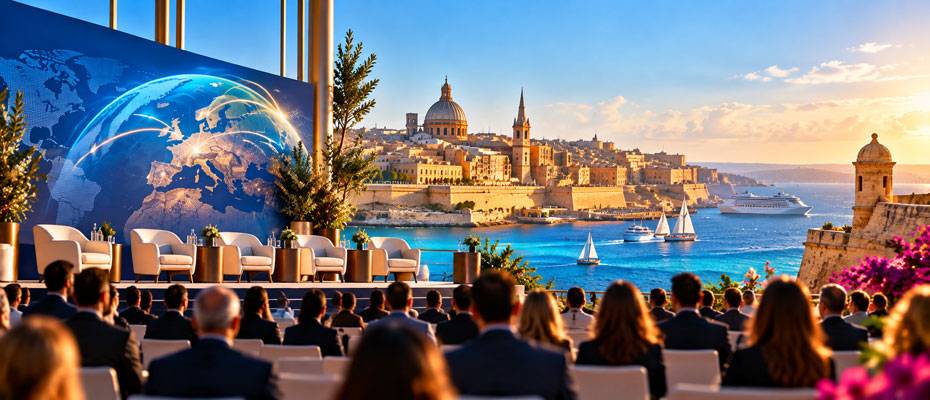
Europe’s travel and tourism sector is expected to grow
by 3.1% in 2026, outperforming the wider economy and accelerating from the 2.6%
growth recorded in 2025. The latest forecast from the World Travel &
Tourism Council (WTTC) was presented at the opening of its 26th Global Summit
in Malta on 7 October. The outlook reflects continued expansion in
international visitor spending, leisure travel and business tourism despite
geopolitical uncertainty and broader economic challenges.
The three-day gathering in Valletta brings together
more than 1,000 delegates, including over 200 senior tourism executives and
government leaders. More than 100 speakers are participating in discussions
covering investment, international connectivity, technological innovation,
workforce development and sustainable tourism. Among the prominent participants
are former Canadian Prime Minister Justin Trudeau, former Spanish Prime
Minister José María Aznar and European Commissioner for Sustainable Transport
and Tourism Apostolos Tzitzikostas.
WTTC expects global travel and tourism activity to
expand by 2.5% this year, with Europe performing above that average.
International visitor spending across the region is projected to increase by
5.8%, while leisure travel expenditure is forecast to rise by 3.1%. Business
travel spending is expected to grow even faster, at 4.2%. The figures underline
the continuing economic importance of tourism, which supports approximately one
in ten jobs across Europe.
International spending drives European growth
The projected increase in international visitor
expenditure is particularly significant for destinations and tourism businesses
that depend on cross-border travel. At 5.8%, spending growth is expected to
exceed the overall expansion of the sector, suggesting that international
tourism will remain an important contributor to regional economic performance.
Business travel is another area showing relatively
strong momentum. Its projected 4.2% growth exceeds the 3.1% increase expected
for leisure travel expenditure, pointing to continued demand for corporate
travel, meetings and other business-related activities.
The European outlook forms part of a broader recovery
and expansion of the global tourism economy. According to WTTC, travel and
tourism contributed US$11.6 trillion to global economic output in 2025,
equivalent to 9.8% of global GDP.
The sector also supported approximately 366 million
jobs worldwide, representing nearly one in nine positions across the global
workforce.
Gloria Guevara, President and CEO of WTTC, emphasised
the importance of creating favourable conditions for continued growth.
“In Europe, the outlook is even stronger, with Travel
& Tourism forecast to grow 3.1% in 2026. This is a sector that is ready to
invest and innovate, but governments must create the right conditions,” she
said.
Guevara identified smoother international travel,
improved connectivity, workforce development and sustainable growth as
priorities for governments seeking to strengthen their tourism economies.
Malta records exceptional tourism performance
The choice of Malta as host destination comes at a
time of particularly strong growth in the country’s tourism industry.
WTTC forecasts that travel and tourism will contribute
US$4.9 billion to Malta’s economy in 2026, accounting for 16.9% of national
GDP. The sector is also expected to support more than one in five jobs,
illustrating its importance to employment and economic activity across the
islands.
Malta recorded the strongest annual increase in
tourism’s contribution to GDP among European economies in 2025. Growth reached
16.8%, substantially exceeding the European average of 2.6%.
The figures highlight Malta’s position as a
destination where tourism plays a considerably larger economic role than in
many other European countries. They also raise questions about how continued
expansion can be managed alongside infrastructure requirements, environmental
considerations and the interests of local communities.
Carlo Micallef, CEO of the Malta Tourism Authority,
stressed that the country’s tourism strategy is not focused exclusively on
increasing visitor numbers.
“We want to create greater value, not only economic,
but also social and environmental. We want tourism that is sustainable and
resilient,” he said.
Charles Mangion, Chairman of the Malta Tourism
Authority, similarly emphasised the importance of ensuring that tourism
development benefits local communities and remains sustainable over the longer
term.
Investment and technology shape summit agenda
The WTTC Global Summit is examining how governments
and tourism businesses can respond to changing traveller expectations while
maintaining the sector’s economic momentum.
Investment and international connectivity are among
the central themes. Improving transport links, supporting infrastructure
development and facilitating cross-border travel are regarded as important
conditions for strengthening destination competitiveness.
Technology is another major focus, particularly the
growing role of artificial intelligence in tourism operations, customer
services and business planning. Industry leaders are discussing how digital
innovation can improve efficiency while responding to increasingly diverse
traveller requirements.
Workforce development also features prominently. With
tourism supporting hundreds of millions of jobs worldwide, attracting qualified
employees and developing new skills remain important challenges for companies
and destinations.
Manfredi Lefebvre, Chairman of WTTC, described the
summit as an opportunity to strengthen cooperation between public authorities
and the private sector.
“The WTTC Global Summit brings together the leaders
shaping the future of Travel & Tourism,” he said, highlighting the
importance of partnerships and new initiatives in supporting investment and
economic opportunity.
The discussions in Malta take place against a backdrop
of continued geopolitical and economic uncertainty. Nevertheless, WTTC’s latest
forecasts indicate that international tourism remains on a growth trajectory,
with Europe expected to outperform the global average in 2026.
For destinations and tourism companies, the central
challenge will be translating that growth into long-term economic benefits
while addressing infrastructure needs, workforce pressures and environmental
responsibilities.
Image Credit: © AI generated illustration
The most interesting news
 Read the News

Global cruise market forecast to nearly double by 2034
Passenger growth, fleet expansion and rising demand for premium and experiential travel are expected to drive the market to $38.5 billion
 Read the News
Hotel Indigo reaches 200 hotels as global expansion accelerates
IHG’s Luxury & Lifestyle brand has doubled its footprint since 2019 and has another 134 properties in the development pipeline
 Read the News
Emirates launches first daily Dubai-Helsinki service
The new year-round route gives Finland its only direct connection to the UAE and opens new one-stop links to Asia, Africa, the Indian Ocean and Australasia
 Read the News

Türkiye’s underwater heritage reveals ancient Mediterranean trade routes
More than 430 shipwrecks have been documented along the Mediterranean coast, while new excavations and museum projects are bringing thousands of years of maritime history to a wider audience
 Read the News
WTTC and ICC join forces to strengthen tourism SMEs worldwide
New partnership targets regulatory, financial, digital and mobility barriers affecting small and medium-sized businesses across global Travel & Tourism
 Read the News

Eurowings expands Middle East network with new Baghdad flights
New services from Berlin and Düsseldorf will complement connections to Dubai, Jeddah, Tel Aviv, Beirut, Erbil and Amman in the 2026/27 winter schedule
 Read the News
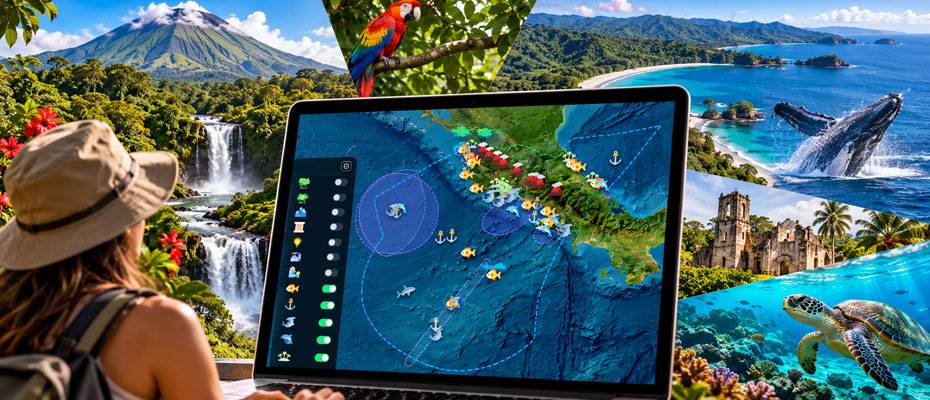
Costa Rica launches interactive map of natural and cultural heritage
Free bilingual platform combines tourism, biodiversity, marine science, history and geography in a digital exploration tool
 Read the News
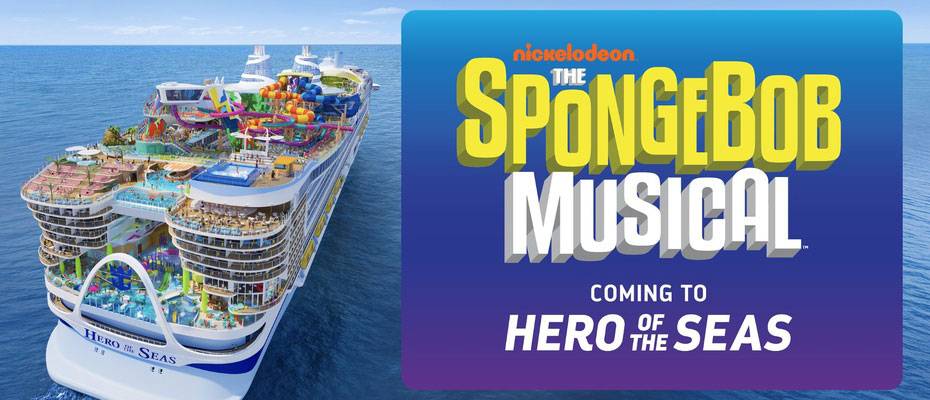
SpongeBob musical to debut at sea on Royal Caribbean’s Hero
Broadway-inspired production will headline the entertainment programme when the new Icon Class ship begins Caribbean cruises from Miami in August 2027
 Read the News
TUI Blue puts holistic wellness at the centre of Asian escapes
TUI Blue Berawa in Bali and TUI Blue Angkor Grace in Cambodia combine yoga, recovery, healthy cuisine and local wellbeing traditions with a relaxed resort experience
 Read the News

Thailand links Middle East travel trade with 80 tourism businesses
Forty representatives from the UAE and Saudi Arabia met Thai suppliers after a six-day product discovery programme in Pattaya, Hua Hin and Bangkok
 Read the News
Phuket Vegetarian Festival brings Hokkien traditions to the streets
The nine-day celebration from 10 to 18 October combines shrine ceremonies, processions and centuries-old rituals across Phuket City
 Read the News
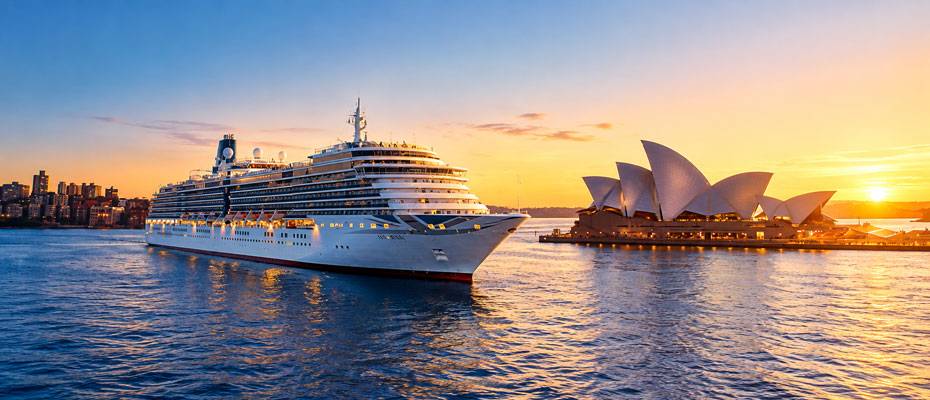
Holland America Line to add Arcadia as 12th ship in 2029
The Vista Class vessel will transfer from P&O Cruises, adding capacity for more than 2,000 guests and supporting Holland America’s fleet modernization program
 Read the News
Lufthansa Group expands Japan network to 50 weekly flights
Lufthansa will return to Nagoya and add daily Frankfurt–Tokyo Narita services as the group significantly increases Japan capacity for Summer 2027
 Read the News
RIU repositions Riu Touareg as family resort after major renovation
The 1,181-room resort on Boa Vista has reopened with redesigned accommodation, expanded dining and a new focus on families
 Read the News
Silversea adds 103 voyages for 2028-2029 season
The new collection spans 56 countries and introduces culinary sailings, 29 new ports and a 75-night circumnavigation of South America
 Read the News
Tempo by Hilton to make German debut at Munich Airport Arena
The 199-room lifestyle hotel is scheduled to open in 2029 as part of the new MUNICH ARENA entertainment campus near Munich Airport
 Read the News
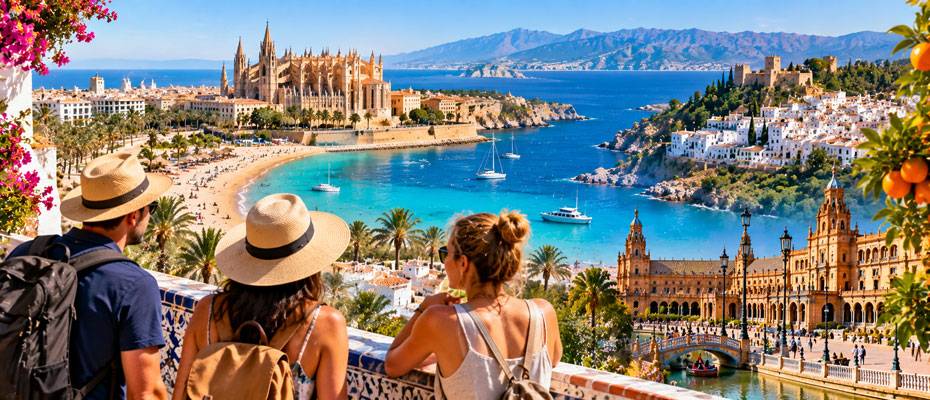
Spain welcomes 12.3 million international tourists in August
International visitor spending exceeded €17.8 billion during the month, while arrivals rose 9.2% and destinations outside Spain’s main tourism regions recorded particularly strong expenditure growth
 Read the News
Southeast Asian travellers look beyond China’s traditional gateways
Traveloka data shows bookings to China’s emerging city destinations growing more than twice as fast as demand for Beijing, Shanghai, Guangzhou and Shenzhen
 Read the News
Hyatt Centric Sapporo opens as new base for exploring Hokkaido
The 216-room property is the Hyatt Centric brand’s first hotel in Hokkaido, combining a central Sapporo location with a strong focus on regional design and cuisine
 Read the News
Oktoberfest draws growing interest from Asian travellers
Agoda data shows strong search growth from China, India and Japan, while visitors increasingly combine Munich with other German destinations
 Read the News
Indonesia targets Australian travellers with quality tourism strategy
Bali, Lombok, Labuan Bajo and Borobudur anchor a campaign designed to encourage longer stays, higher-value travel and deeper local experiences