Tourexpi

Asuka and Fujiwara gain UNESCO status as Japan’s 27th World Heritage Site
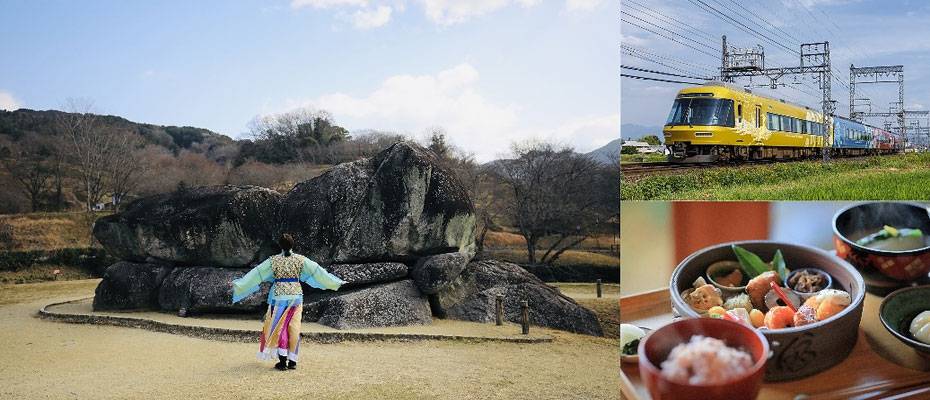
The Ancient Capitals of Asuka and Fujiwara in Nara
Prefecture were inscribed on UNESCO’s World Heritage List on July 26, 2026,
becoming Japan’s 27th World Heritage Site. The designation covers a broad
cultural landscape stretching across Asuka Village, Kashihara City and Sakurai
City, where palace ruins, temples and burial mounds preserve traces of Japan’s
political and religious development in the 6th and 7th centuries.
The inscription is also expected to give fresh
momentum to tourism in the southern part of Nara. Kintetsu Railway, one of the
region’s main transport providers, has responded with a specially designed
commemorative train, the Asuka-Fujiwara Shijin Liner, which entered service on
August 1.
A landscape at the roots of the Japanese state
The World Heritage area includes the Asuka Palace
Site, Fujiwara Palace Site, Asuka-dera Temple Site, Ishibutai Tumulus and
Tachibana-dera Temple Site, among other locations.
During the Asuka period, the region became the
political centre of Japan and played a key role in the emergence of a more
centralised state under the emperor. Reforms associated with Prince Shotoku and
the later Taika Reform helped reshape the country’s political structures before
the capitals of Heijo-kyo and Heian-kyo were established.
For this reason, Asuka is often described as one of
the places where the foundations of the Japanese state took shape.
Tumuli and temples preserve the region’s early history
Several of the area’s most striking monuments are
ancient burial mounds. The Ishibutai Tumulus contains a stone chamber assembled
from more than 30 massive stones, with the total weight of the structure
exceeding 1,000 tonnes. Visitors are able to enter the chamber.
The Kitora and Takamatsuzuka tumuli are particularly
known for their mural paintings. Their depictions have provided archaeologists
with valuable evidence about beliefs, court culture and artistic traditions of
the period, although many questions about the tombs and their occupants remain
unresolved.
The religious heritage is equally significant.
Asuka-dera Temple houses the Great Buddha of Asuka, regarded as Japan’s oldest
surviving gilt-bronze Buddha statue. Okadera Temple is home to a 4.85-metre
Nyoirin Kannon, described as the largest surviving clay statue in Japan.
Kintetsu launches commemorative train
To mark the UNESCO inscription, Kintetsu Railway has
introduced the Asuka-Fujiwara Shijin Liner.
The design is inspired by the Four Symbols associated
with the cardinal directions: Seiryu in the east, Byakko in the west, Suzaku in
the south and Genbu in the north. These figures also appear in the murals of
the Takamatsuzuka and Kitora tumuli.
The train’s interior and exterior also incorporate
motifs linked to the historic sites and surrounding countryside. Kintetsu says
the service is intended to connect the World Heritage designation with the
travel experience itself.
Rail links connect Asuka with Osaka, Kyoto and Nagoya
Kintetsu operates extensive services across the Kansai
and Chubu regions and provides access to Asuka from major cities including
Osaka, Kyoto and Nagoya.
For international visitors, the company also offers
the KINTETSU RAIL PASS, which can be used to combine Asuka and Fujiwara with
other destinations along the network. Kintetsu routes also serve additional
World Heritage sites, making rail travel a practical option for multi-stop
cultural itineraries.
The company is positioning rail as an alternative to
road transport as visitor numbers rise, particularly during busy periods when
congestion can affect access to the area.
Heritage tourism extends beyond the archaeological
sites
The World Heritage designation is likely to draw
attention not only to the major ruins, but also to the wider visitor experience
in Asuka.
Travellers can rent ancient-style costumes near
Kintetsu Asuka Station, visit restaurants and cafés in renovated traditional
houses and sample regional food. The area is also known for the Asuka Ruby
strawberry, with seasonal fruit-picking experiences forming part of the local
tourism offer.
The UNESCO inscription therefore brings together
archaeology, early Japanese state history and contemporary tourism. For Nara,
it adds another internationally recognised cultural attraction to a region
already closely associated with the historical development of Japan.
Image Credit: © Kintetsu Railway Co.,Ltd.
The most interesting news
 Read the News

Turkey: Medieval fair brings fantasy and history to Cappadocia
Thousands of enthusiasts gather in Ürgüp as costumes, mythology and Cappadocia’s dramatic landscape create a journey into another era
 Read the News

Global tourism growth slows to 0.4% in first half of 2026
UN Tourism reports 690 million international arrivals as conflict in the Middle East, higher travel costs and inflation weigh on demand
 Read the News
China: Hainan Airlines retains Skytrax Five-Star rating for 15th year
The Chinese carrier also secured awards for airline and staff service in China as it continues to expand its international network
 Read the News
Banyan Group expands in Africa with Newmark acquisition
Majority stake adds 26 hotels, lodges and reserves across seven countries, taking Banyan Group’s global portfolio to nearly 130 properties
 Read the News
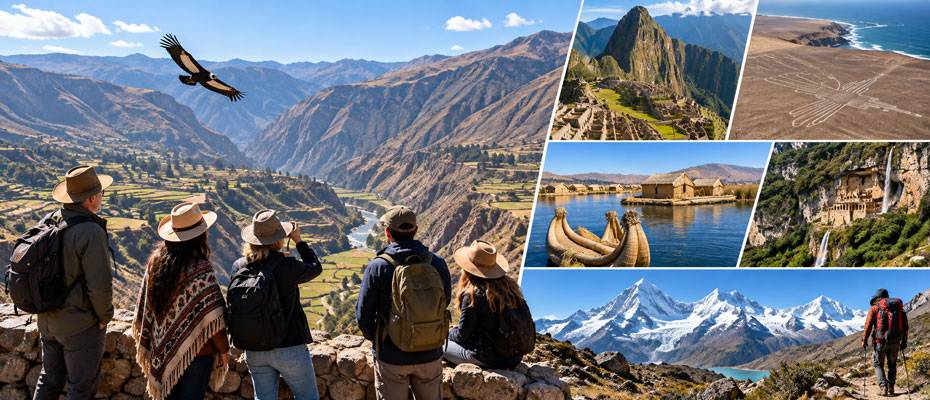
Peru brings 25 luxury travel designers to five regions for B2B expedition
REMOTE Expedition Peru combines five familiarisation trips with a high-end travel trade meeting in the Colca Valley from 23 to 30 October
 Read the News
Bahrain to host global tourism investment forum in January 2027
UN Tourism partnership will bring ministers, investors and financial institutions to Manama to discuss financing, projects and long-term tourism investment
 Read the News
Radisson Career Fest 2026 puts AI and career mobility in focus
Month-long hybrid programme will connect hospitality professionals and aspiring talent in more than 100 countries with training, leadership sessions and future skills
 Read the News
Latin America and Caribbean: Hyatt offers up to 35% off seven resorts
Americas Resort Sale covers selected properties in Mexico, Aruba, Saint Lucia, the Dominican Republic and Colombia for stays between December 2026 and March 2027
 Read the News
Uruguay: Azul restores Porto Alegre flights as regional connectivity recovers
Two weekly services from southern Brazil will strengthen tourism and business links as Uruguay introduces new incentives to attract additional air routes
 Read the News

US market offers further growth potential for German inbound tourism
GNTB study finds strong interest in Germany among US travellers, with stable arrivals, high visitor spending and further growth expected in 2026
 Read the News
Condor to end Dubai flights from Berlin and Stuttgart
Daily services from both German airports will be discontinued as the airline points to high location costs and challenging economic conditions
 Read the News

Thailand launches new platform to bring travel tech into tourism businesses
Amazing Thailand Innovation Gadget connects startups with tourism companies, public agencies and potential partners to turn new technologies into practical applications
 Read the News
Istanbul: Archaeological Museums reopen after extensive restoration
Historic buildings, redesigned galleries and almost 180 outdoor exhibits give one of Istanbul’s major museum complexes a new look
 Read the News
Eurowings puts four personal names on its Airbus fleet
The “Name a Plane” competition invites passengers to nominate people whose everyday commitment to others deserves special recognition
 Read the News
Thailand turns fashion and textiles into new tourism experiences
Three-day Bangkok showcase connects contemporary design with artisans, communities and textile journeys across the country
 Read the News
Latin America: Travel frequency rises as AI reshapes trip planning
Research covering Brazil, Mexico and Argentina points to more frequent travel, growing demand for experiences and rapid adoption of AI during the planning process
 Read the News
Los Angeles: Delta plans record LAX schedule for summer 2027
More than 200 daily departures, new routes to Monterey and Philadelphia and further premium investment will mark Delta’s largest-ever operation at Los Angeles International Airport
 Read the News
Serbia: EXPO 2027 roadshow targets Slovak travel trade
Bratislava event brings Serbian and Slovak tourism businesses together as Belgrade prepares to welcome visitors from more than 135 countries
 Read the News
Thailand: VIJIT 2026 brings light, culture and technology to three regions
Lamphun, Trang and Roi Et will host immersive evening programmes combining local heritage with light art, multimedia installations and cultural performances
 Read the News
Thailand promotes film tourism and production opportunities at TIFF 2026
Tourism Authority of Thailand uses Toronto International Film Festival to connect international filmmakers with locations, production expertise and travel experiences across the country
 Read the News
Bangkok: Suan Dusit Arun rooftop park draws 951,000 visitors in first year
Dusit Central Park reports initial evidence of lower temperatures, reduced particulate levels and strong public demand for green space in central Bangkok