Tourexpi

Closing the gender gap requires tackling structural barriers, improving access to opportunities, and sustained commitment
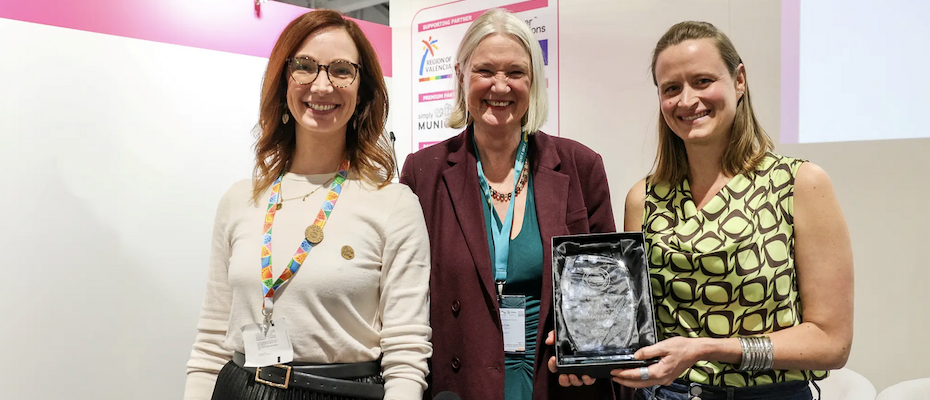
Songül Göktas-Rosati has made it. As managing director of the tour operator Bentour Reisen, she is one of the few women in Germany who has worked her way to the very top of the tourism industry. Her position is the result of a career that the manager wants to be seen as an inspiration for other women: “Unfortunately, there are too few women in tourism who can serve as role models. We need to work on that,” says the managing director. In her leadership role at Bentour, she therefore works specifically to support women who are searching for the right path through the career jungle. “We need to build our self-confidence and support one another,” emphasizes Göktas-Rosati in a podcast interview.
The Dilemma of Part-Time Work
The need for such support for women is undeniable in the tourism industry. While the travel sector offers a wide variety of jobs, fields of activity, and opportunities for advancement—making changes in industry or position often seem easier here than in manufacturing or the financial sector— Yet the risk of hitting a dead end during one’s career is far greater for women in tourism than for men. Among the biggest obstacles are the lack of work-life balance, as well as the continued dominance of traditional gender roles in many organizations. The problem is not new: Many career-oriented women, after starting a family, initially seek to re-enter the workforce through a part-time position—a decision that subsequently tends to slow down their career development in the long term. “Although these women originally had other plans, many then remain at the counter,” observes Claudia Brözel, professor of tourism economics at Eberswalde University of Applied Sciences. The structural characteristics of certain segments of the industry exacerbate the problem: shift work, weekend work, and seasonal employment make balancing family and career more difficult than in other professions—circumstances that disadvantage women all the more when they still have to shoulder the bulk of care work.
Care Work Becomes a Career Hindrance
According to a survey conducted as part of a master’s thesis for Eberswalde University of Applied Sciences, 46 percent of the women surveyed stated that equal opportunity in tourism either does not exist at all or exists only if they have no children (41 percent). Only 13 percent believed that equal opportunity is guaranteed regardless of whether they have children. “The implicit expectation that women should put their careers on hold in favor of care work is still prevalent in many tourism organizations,” criticizes Brözel.
But the obstacles women must overcome on their way to the top go beyond that. International research on the topic reveals extensive barriers. And this despite the fact that the travel industry is driven by women more than other sectors: Globally, women account for over sixty percent of the workforce in tourism. In Germany, their estimated share is seventy percent. At the CEO level, however, their share internationally stands at a modest five percent. Top female executives such as Barbara Muckermann, the first female CEO of the Kempinski Group, Ariane Gorin, CEO of Expedia, and Wendy Olson Killion, CEO of the travel platform Rome2Rio, are shining exceptions in a global industry that remains dominated by men. In Germany, too, despite years of gender equality initiatives and legislative measures, women’s careers are the exception rather than the rule. According to research by the trade publication FVW, the proportion of women in leadership positions varies widely, ranging from fifty percent at companies like the Accor hotel group to barely 18 percent at Lufthansa. Across all industries, the proportion of women in leadership positions in Germany stood at around 25 percent in 2023.
Belittling as a Strategy
In the face of these structures, perseverance and resilience are virtues that women can hardly do without when planning their careers. “I didn’t necessarily have a fixed career plan. The most important thing is to remain patient, adaptable, and flexible,” Bentour CEO Göktas-Rosati sums up in retrospect. For many women, pitfalls and obstacles do not emerge only when competing for top positions, but often as early as their first major career step. It is not uncommon for them to face a combination of structural, cultural, and individual factors that are difficult to navigate at the start of a career. Systematic discrimination in salary negotiations and lower pay (the gender pay gap), or evaluation based on external characteristics rather than competence and performance, are still part of everyday life in many organizations and HR departments. Gender-specific comments from colleagues and supervisors also continue to serve to slow women down and undermine their confidence.
The Power of Male Networks
Furthermore, established male networks contribute to distorting and narrowing competition for opportunities and advancement positions. As a rule, these male networks operate informally—for example, at evening industry events, which play an important role in tourism and to which women often have less access. The consequences are obvious: the higher the positions to be filled, the fewer opportunities there are for women. Gender research has identified this phenomenon as the Thomas Cycle—named after one of the most common male first names among the Baby Boomer generation. The Thomas Cycle posits that men primarily recruit men who are similar to them and share significant similarities in terms of education and background. The higher the position, the more objective criteria are replaced by gut instinct during the hiring process. This selection principle feels rational and reasonable to decision-makers, but in reality, it is an unconscious mechanism with fatal consequences: “The Thomas Cycle leads to homogeneous executive suites, prevents diversity, hinders innovation, and systematically excludes women,” observes tourism researcher Brözel.
If women are unfamiliar with such mechanisms, they often work against them unintentionally. Women often set higher standards for themselves before applying for leadership positions—a supposedly self-imposed behavior that nevertheless reflects gender-specific socialization experiences and societal expectations. Even when women emphasize that the meaningfulness of a job is important to them, they risk falling into a trap during salary negotiations. For the other side, this is often a popular lever to reduce salary demands and cement the gender pay gap. “Such injustices cannot be resolved by placing the responsibility solely on women. Sustainable change requires the commitment of everyone, especially men. They must not only be made aware of the issue but also actively take responsibility for creating a more equitable workplace,” demands Brözel.
This is precisely where the LEAD³ project, run by the empower.today initiative, comes in. This research-backed coaching and development programme supports women in the tourism sector through coaching, mentoring and networking opportunities. At the same time, LEAD³ is aimed at managers and HR professionals to drive structural change and greater gender equality within organisations. The project is currently supporting 36 women and 12 companies on their journey towards greater gender equality.
Concrete Actions Instead of Storytelling
Women who are committed to these issues agree that companies’ statements of intent must be followed by more concrete actions: “We see more women in leadership roles—but often still too few in the most visible positions and decision-making circles. What matters is whether equality is embedded in the system: in career paths, visibility, mentoring, and fair conditions. Storytelling alone isn’t enough. We need structures that create real opportunities,” emphasizes Deborah Rothe, Director of ITB Berlin, in an interview with Business Punk magazine.
Brözel also sees plenty of room for improvement in most companies in the tourism industry when it comes to gender equality. Warm words and symbolic gestures are no longer enough. “Cultural openness is a good start, but no substitute for structure. Those who take equality seriously measure it—with KPIs, with transparent processes, with clear responsibilities. Values in practice should be translated into measurable impact,” demands the tourism researcher.
Picture Credit: © ITB Berlin
The most interesting news
 Read the News

Global cruise market forecast to nearly double by 2034
Passenger growth, fleet expansion and rising demand for premium and experiential travel are expected to drive the market to $38.5 billion
 Read the News
Hotel Indigo reaches 200 hotels as global expansion accelerates
IHG’s Luxury & Lifestyle brand has doubled its footprint since 2019 and has another 134 properties in the development pipeline
 Read the News
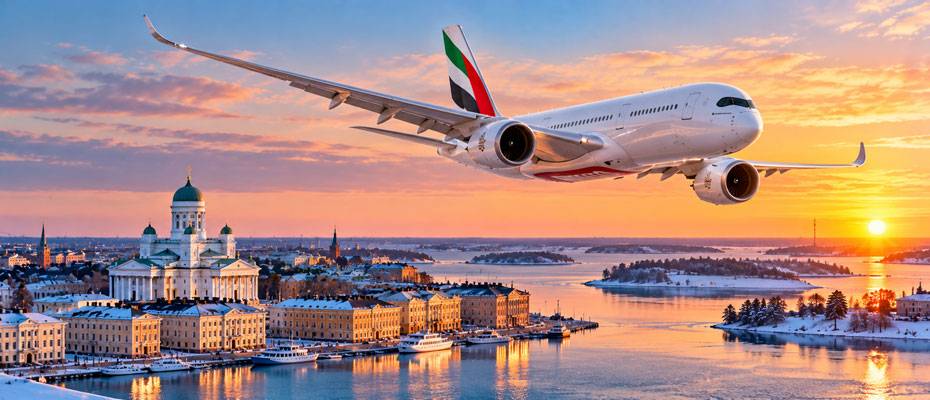
Emirates launches first daily Dubai-Helsinki service
The new year-round route gives Finland its only direct connection to the UAE and opens new one-stop links to Asia, Africa, the Indian Ocean and Australasia
 Read the News

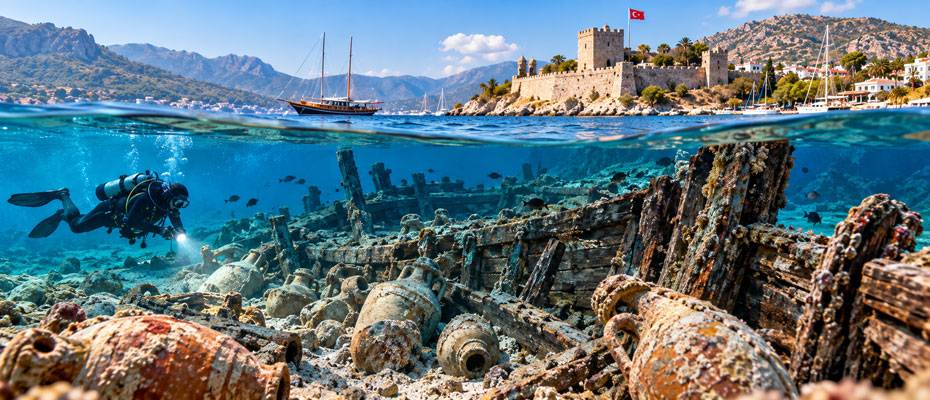
Türkiye’s underwater heritage reveals ancient Mediterranean trade routes
More than 430 shipwrecks have been documented along the Mediterranean coast, while new excavations and museum projects are bringing thousands of years of maritime history to a wider audience
 Read the News
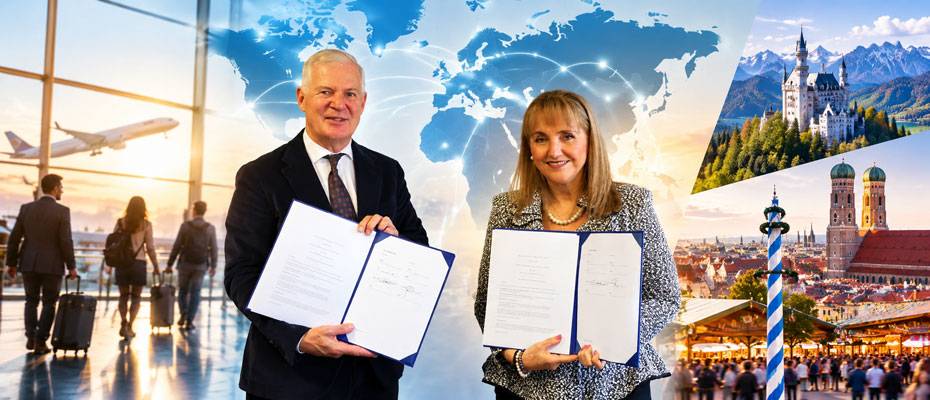
WTTC and ICC join forces to strengthen tourism SMEs worldwide
New partnership targets regulatory, financial, digital and mobility barriers affecting small and medium-sized businesses across global Travel & Tourism
 Read the News

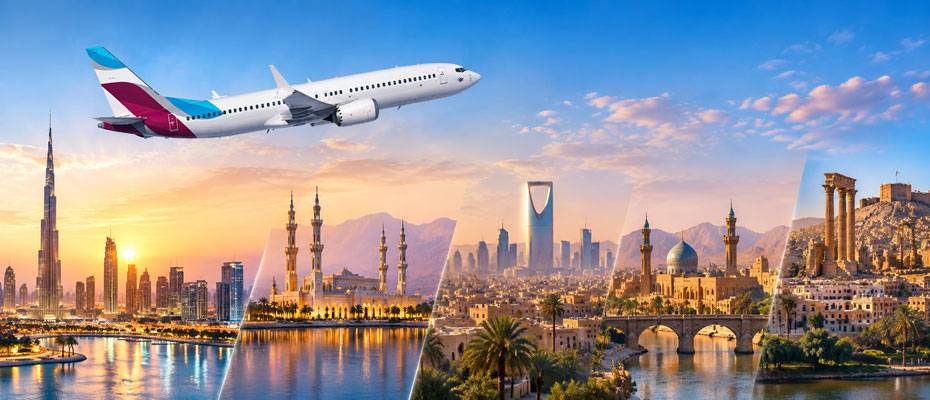
Eurowings expands Middle East network with new Baghdad flights
New services from Berlin and Düsseldorf will complement connections to Dubai, Jeddah, Tel Aviv, Beirut, Erbil and Amman in the 2026/27 winter schedule
 Read the News
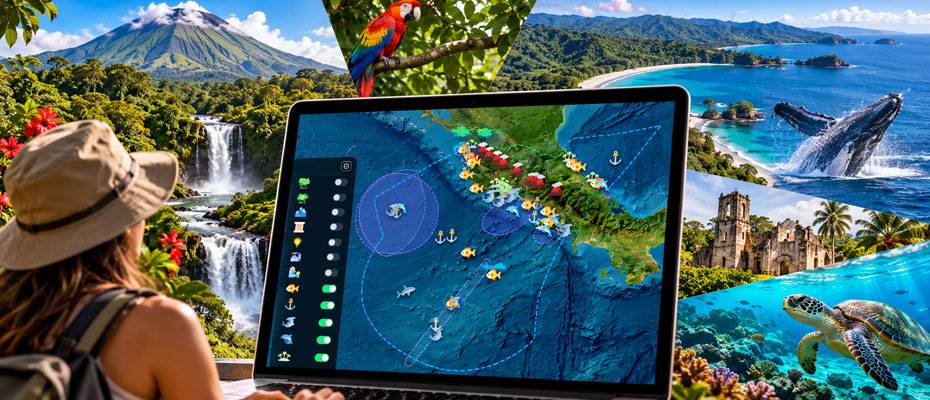
Costa Rica launches interactive map of natural and cultural heritage
Free bilingual platform combines tourism, biodiversity, marine science, history and geography in a digital exploration tool
 Read the News
TUI Blue puts holistic wellness at the centre of Asian escapes
TUI Blue Berawa in Bali and TUI Blue Angkor Grace in Cambodia combine yoga, recovery, healthy cuisine and local wellbeing traditions with a relaxed resort experience
 Read the News
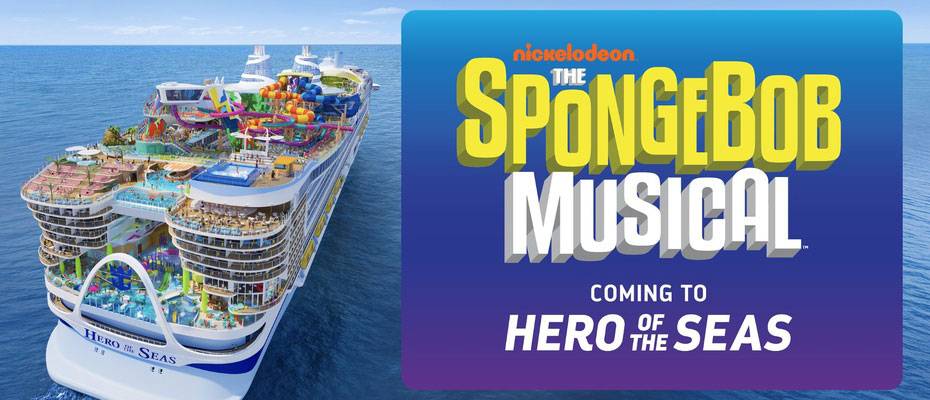
SpongeBob musical to debut at sea on Royal Caribbean’s Hero
Broadway-inspired production will headline the entertainment programme when the new Icon Class ship begins Caribbean cruises from Miami in August 2027
 Read the News

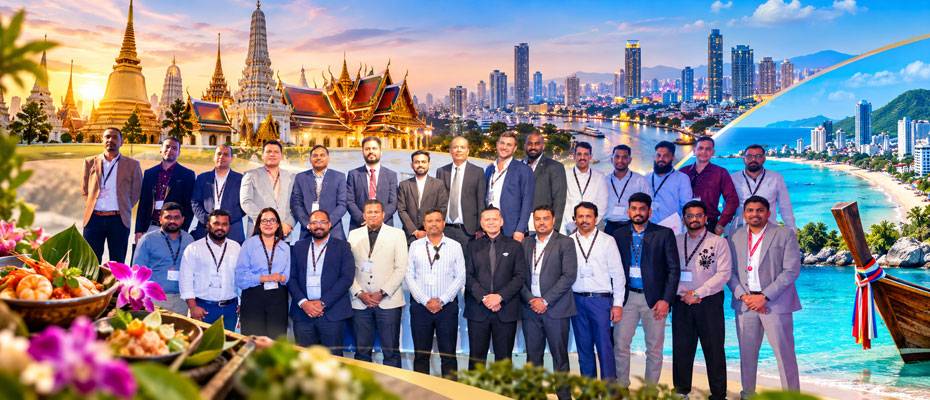
Thailand links Middle East travel trade with 80 tourism businesses
Forty representatives from the UAE and Saudi Arabia met Thai suppliers after a six-day product discovery programme in Pattaya, Hua Hin and Bangkok
 Read the News
Phuket Vegetarian Festival brings Hokkien traditions to the streets
The nine-day celebration from 10 to 18 October combines shrine ceremonies, processions and centuries-old rituals across Phuket City
 Read the News
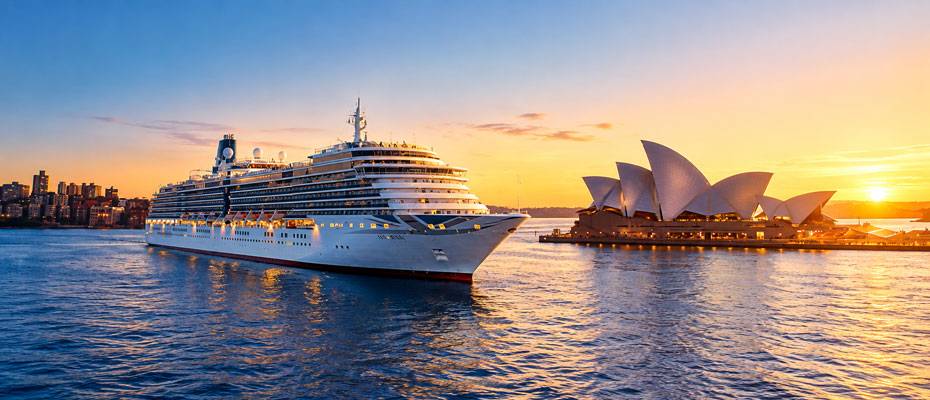
RIU repositions Riu Touareg as family resort after major renovation
The 1,181-room resort on Boa Vista has reopened with redesigned accommodation, expanded dining and a new focus on families
 Read the News
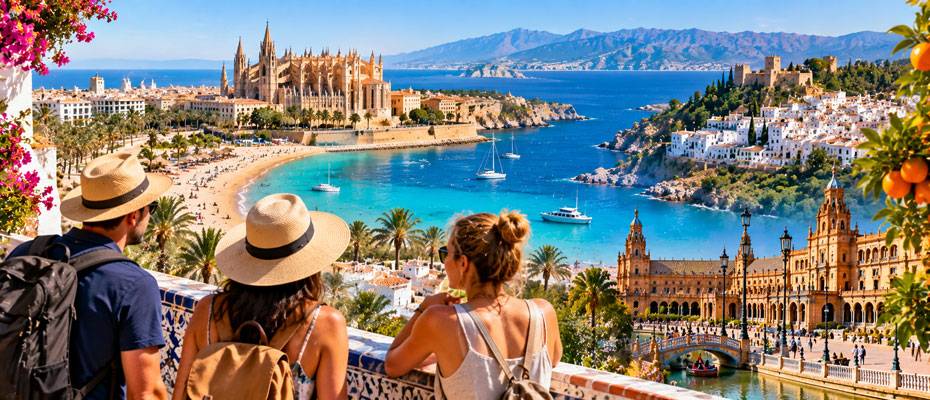
Holland America Line to add Arcadia as 12th ship in 2029
The Vista Class vessel will transfer from P&O Cruises, adding capacity for more than 2,000 guests and supporting Holland America’s fleet modernization program
 Read the News
Spain welcomes 12.3 million international tourists in August
International visitor spending exceeded €17.8 billion during the month, while arrivals rose 9.2% and destinations outside Spain’s main tourism regions recorded particularly strong expenditure growth
 Read the News
Southeast Asian travellers look beyond China’s traditional gateways
Traveloka data shows bookings to China’s emerging city destinations growing more than twice as fast as demand for Beijing, Shanghai, Guangzhou and Shenzhen
 Read the News
Tempo by Hilton to make German debut at Munich Airport Arena
The 199-room lifestyle hotel is scheduled to open in 2029 as part of the new MUNICH ARENA entertainment campus near Munich Airport
 Read the News
Lufthansa Group expands Japan network to 50 weekly flights
Lufthansa will return to Nagoya and add daily Frankfurt–Tokyo Narita services as the group significantly increases Japan capacity for Summer 2027
 Read the News
Silversea adds 103 voyages for 2028-2029 season
The new collection spans 56 countries and introduces culinary sailings, 29 new ports and a 75-night circumnavigation of South America
 Read the News
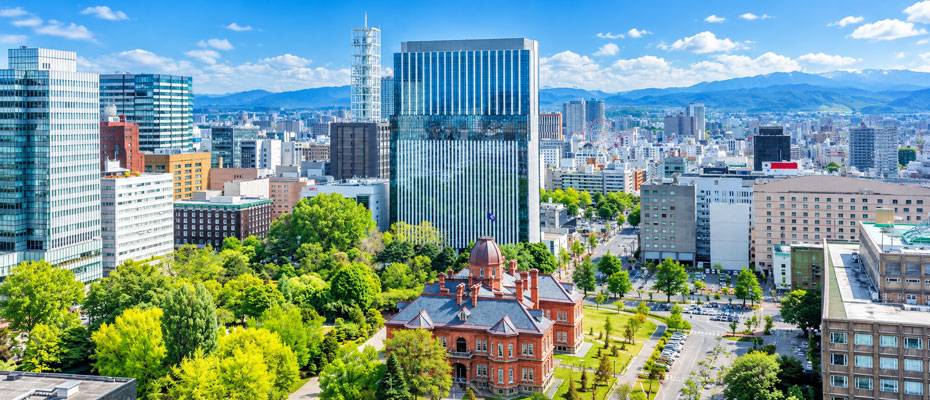
Hyatt Centric Sapporo opens as new base for exploring Hokkaido
The 216-room property is the Hyatt Centric brand’s first hotel in Hokkaido, combining a central Sapporo location with a strong focus on regional design and cuisine
 Read the News
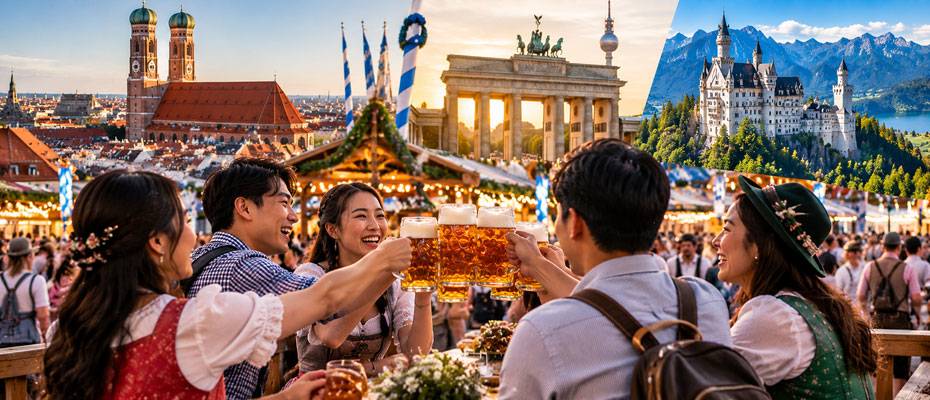
Oktoberfest draws growing interest from Asian travellers
Agoda data shows strong search growth from China, India and Japan, while visitors increasingly combine Munich with other German destinations
 Read the News
Indonesia targets Australian travellers with quality tourism strategy
Bali, Lombok, Labuan Bajo and Borobudur anchor a campaign designed to encourage longer stays, higher-value travel and deeper local experiences