Tourexpi

Where is Egypt heading?
Could the Eastern Mediterranean, the Red Sea, the Gulf region and the Arabian Peninsula become the new centre of gravity for global tourism?
The centre of gravity of international tourism is shifting. Across a vast geographical area stretching from the Eastern Mediterranean to the Red Sea, the Gulf region and the Arabian Peninsula, a new tourism economy is emerging, driven by multibillion-dollar investments. Türkiye is positioning itself with its highly developed hospitality infrastructure and strong relationships with international tour operators, Greece with its islands and cultural heritage, Dubai with its global brand strength, and Saudi Arabia with its massive capital investments. Amid these developments, Egypt is rising at a remarkable pace.
A few days ago, I attended the Starway Tourism Awards 2026, organised by Coral Travel in Sharm El Sheikh. Listening to Egyptian tourism officials outlining their vision for the country’s future, I realised that Egypt is no longer simply pursuing new hotel developments and higher visitor numbers. It is implementing a comprehensive economic transformation strategy.
Egypt is no longer merely a country marketing its pyramids, the Nile and the Red Sea. It aims to combine its historical heritage, natural beauty, young population and international investments to secure a significantly stronger position in regional and global tourism.
US$56 billion: Egypt is building its future
The major projects announced in recent years demonstrate the strategic importance Egypt now attaches to tourism.
The US$35 billion agreement with the United Arab Emirates to develop Ras El Hekma, a road construction programme worth approximately US$11 billion, the 2,000-kilometre high-speed railway project involving an €8.1 billion Siemens contract, and the investment of more than US$1 billion in the Grand Egyptian Museum are impressive examples.
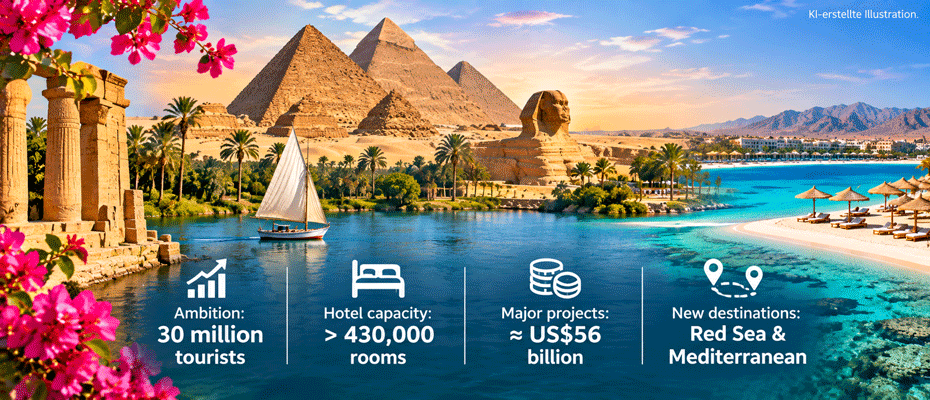
Taking the relevant exchange rates into account, the combined announced financial value of these four projects amounts to approximately US$56 billion. This figure does not represent actual investment expenditure alone. It also includes project budgets and investment agreements.
Nevertheless, one thing is clear: Egypt no longer regards tourism as merely a hotel business. Airports, railway connections, urban development, culture and the creation of new destinations are all considered integral components of a comprehensive development strategy.
Grand Egyptian Museum: Turning history into economic power
Opened in November 2025 near the Pyramids of Giza, the Grand Egyptian Museum has established itself as a major cultural tourism attraction, welcoming 5.2 million visitors within approximately one year.
The investment is one of the most significant examples of Egypt’s strategy to transform its historical heritage into a modern and internationally attractive visitor experience. The objective is not simply to increase museum attendance. Cairo is intended to evolve from a traditional two- or three-night stopover into a longer-stay destination combining culture, gastronomy, shopping and entertainment.
The diversification strategy emphasised by Egyptian Minister of Tourism and Antiquities Sherif Fathy also aims to position the country internationally with a tourism identity that extends far beyond sun and beach holidays.
Indeed, Egypt possesses extraordinary potential: its Mediterranean coastline, the natural beauty of the Red Sea, the unique history along the Nile and the fascinating opportunities offered by desert tourism — all within a single country.
30 million tourists and massive investments in hospitality
Egypt welcomed approximately 19 million international tourists in 2025. Around 20 million are expected in 2026, while the long-term ambition is to attract 30 million tourists annually.
The country’s current hotel capacity stands at approximately 220,000 to 240,000 rooms. A further 40,000 to 46,000 rooms are under development. In the long term, total capacity is expected to exceed 430,000 hotel rooms.
However, the true success of this growth will not be measured solely by the number of newly opened hotels, but above all by how efficiently and profitably these capacities can be utilised throughout the year.
The Red Sea: A winter stronghold for German and Russian tour operators
One of Egypt’s greatest competitive advantages in international tourism is the ability of its Red Sea destinations to offer holidays throughout the year. Sharm El Sheikh, Hurghada and Marsa Alam are becoming strategically important winter destinations, particularly for major German and Russian tour operators.
In November 2026, occupancy rates exceeding 85 per cent were reported at some hotels along the Red Sea, in Luxor and Aswan, as well as on Nile cruises.
For major tour operators, maintaining high booking volumes during the winter months, efficiently utilising airline capacity, encouraging early bookings and ensuring healthy cash flow are essential elements of long-term commercial stability. Egypt is increasingly becoming a destination that meets precisely these requirements.
Furthermore, the advantages of the Red Sea are by no means limited to the winter season. Although temperatures in August can be higher than in Antalya, the relatively dry climate of Sharm El Sheikh and Hurghada can feel more comfortable to some holidaymakers than the humid summer heat of the Turkish Riviera.
Egypt can therefore attract both winter travellers seeking sunshine and families looking for competitively priced summer holidays.
Germany: Family tourism – Russia: High booking volumes
The German travel market plays a particularly important role in Egypt’s tourism growth. Approximately 826,000 German tourists visited Hurghada during the first eight months of 2026, demonstrating Egypt’s strength in this important source market.
Spacious family rooms, water parks, children’s clubs, heated swimming pools and competitively priced all-inclusive packages make Egypt an attractive destination for families with children, particularly during school holidays. For TUI, DERTOUR, Coral Travel and other tour operators, this product supports both winter passenger volumes and long-term flight and capacity planning.
In the Russian market, Egypt accounted for approximately 32 per cent of organised outbound package holiday bookings in November 2026, compared with around 24 per cent during the corresponding period of the previous year. Direct flights, charter operations, extensive hotel allotments and a warm climate are supporting this development.
International tourism competition is no longer taking place exclusively between countries. Increasingly, it is also a competition between travel seasons, family budgets, price segments and the capacity planning strategies of international tour operators.
Egypt’s young population as a major competitive advantage
One of the most important factors supporting Egypt’s long-term competitiveness is its demographic structure. Approximately 60 per cent of its population of more than 110 million people is under the age of 30. The country’s median age is around 25.
This young population offers the rapidly expanding tourism sector an exceptional opportunity to recruit and develop a skilled domestic workforce.
Of course, significant shortcomings remain in vocational training, foreign language proficiency, service quality and management development. However, continuous professional development programmes, specialised tourism schools and partnerships with international hotel companies could bring large numbers of young people into the industry.
In my view, the future of Egyptian tourism will not be determined solely by its new hotels, but above all by the quality of education and training provided to the young people who will work in them.
Because the most valuable investment in tourism remains the investment in people.
The Eastern Mediterranean, the Gulf and the Arabian Peninsula: The new centre of global tourism?
When assessing regional developments, I believe a much broader perspective is necessary.
In 2025, Türkiye welcomed approximately 63.9 million visitors, Greece 38 million, Saudi Arabia 29.3 million, Dubai 19.6 million and Egypt around 19 million.
Although Dubai’s city-level visitor statistics and the different statistical methodologies used by individual countries cannot be directly compared, these figures illustrate the considerable scale of tourism that the region has already achieved.
Each of these destinations is developing its own model for success. Türkiye stands out for its operational expertise, Greece for cultural and experiential tourism, Dubai for luxury and urban tourism, Saudi Arabia for its investments in next-generation tourism projects, and Egypt for its year-round holiday opportunities and extraordinary historical heritage.
However, the future of these countries does not depend solely on how successfully they compete with one another. In my opinion, the greatest opportunity lies in developing the Eastern Mediterranean, the Red Sea, the Gulf region and the Arabian Peninsula into a major, mutually complementary tourism and economic region.
There is, however, one essential prerequisite: political stability and a lasting climate of security.
If the Middle East succeeds in overcoming the tensions and conflicts of the past and achieves sustainable political normalisation in the coming years, an entirely new tourism geography could emerge.
Situated at the crossroads of Europe, Asia and Africa, this region could become one of the world’s most important tourism centres, combining cultural heritage, seas, deserts, modern cities, luxury resorts and extensive international air connectivity.
Multi-country itineraries, cruises, cultural routes, gastronomy, health tourism and the meetings and conventions industry could all benefit significantly from such a development.
Lasting peace and political stability could unlock the region’s tourism potential even more effectively than multibillion-dollar investment programmes.
Ras El Hekma: A new arena of competition in the Mediterranean
The Ras El Hekma development agreement on Egypt’s Mediterranean coast demonstrates that the country does not intend to remain dependent solely on Red Sea tourism.
A new international destination is planned, incorporating hotels, marinas, residential developments, shopping facilities and entertainment venues. If successfully implemented, the project could enable Egypt to compete much more directly with Türkiye and Greece in key segments of the Mediterranean holiday market.
However, there is a significant difference between multibillion-dollar investment agreements and genuinely successful tourism destinations.
Building new cities is possible. Giving these cities a distinctive identity, attracting loyal repeat visitors and creating sustainable economic value is a far greater challenge.
A friendly warning to Egypt: The mistakes of Antalya must not be repeated
I consider Egypt’s tourism growth to be an extraordinarily significant development. However, as someone who has spent more than four decades in the international tourism industry, I can already recognise the considerable risks that such rapid expansion may create in the future.
Egypt possesses exceptional potential to showcase the natural beauty of both the Mediterranean and the Red Sea to the world. However, this precious heritage must not be sacrificed through uncontrolled hotel investments, gigantic resorts and the unlimited expansion of accommodation capacity.
I already foresee the possibility that Egyptian tourism could face considerable challenges in meeting future international sustainability standards. This applies particularly to the protection of water resources, energy consumption, carbon emissions, waste management, the preservation of coastal ecosystems and the well-being of local communities.
International tourism professionals, tour operators and investors must therefore also take responsibility. Rather than simply encouraging Egypt to build larger hotels and increase accommodation capacity, we should contribute to the development of a tourism model that protects nature, strengthens local economies and creates long-term value.
Türkiye’s experience, particularly in Antalya, with excessive construction, growing pressure on infrastructure and uncoordinated capacity expansion should serve as an important lesson for Egypt.
Egypt does not need growth through more concrete. It needs growth that preserves its unique natural and cultural treasures.
The success of tomorrow’s tourism industry will not be measured solely by the number of hotels or visitors. What will ultimately matter is the condition in which destinations are passed on to future generations and the quality of life they continue to offer.
As I left Sharm El Sheikh, one question remained at the forefront of my mind: Where is Egypt really heading?
From what I have observed, the ambition goes far beyond attracting 30 million tourists annually. Egypt is preparing to play a central role in the profound transformation of the tourism economy emerging between the Eastern Mediterranean, the Red Sea and the Gulf region.
Because the winners in the tourism industry of tomorrow will not be those who build the greatest number of hotels, but those who succeed in bringing peace, people, nature and economic value together within a shared vision.
Image Credit: AI generated illustration
The most interesting news


Lufthansa Group launches unified app for six airlines and Miles & More
The new digital platform combines flight bookings, travel management and loyalty services while existing airline apps remain available


Six Senses opens first UAE resort on Dubai’s Palm Jumeirah
The new beachfront property combines 61 suites, 172 private residences and a 5,500-square-metre wellness complex with a focus on longevity and sustainable luxury
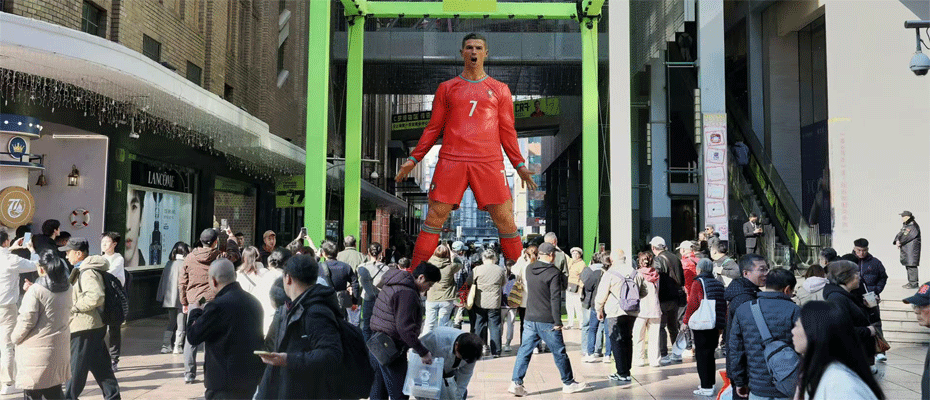
Cristiano Ronaldo Museum opens in Shanghai
The football-themed attraction combines sporting memorabilia, interactive experiences and retail tourism on one of Shanghai’s busiest shopping streets
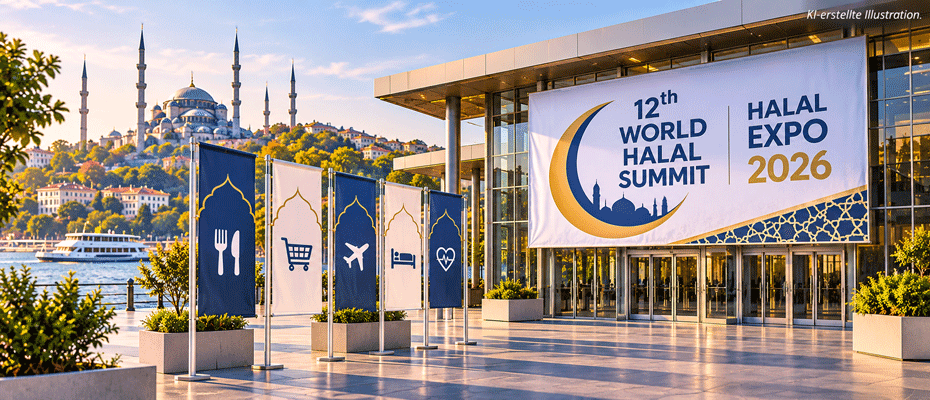

Istanbul to host World Halal Summit and Halal Expo 2026
The four-day event will bring international buyers, investors and industry representatives together to explore trade opportunities in tourism, healthcare, food and other sectors
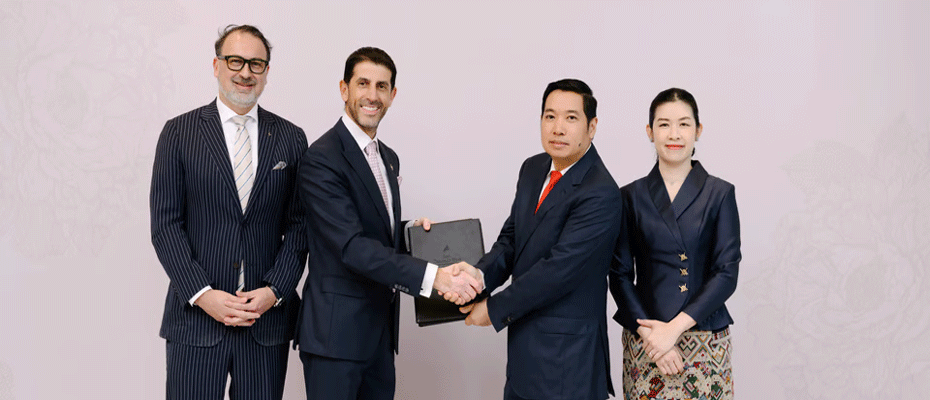
Kempinski to develop heritage luxury resort in Luang Prabang, Laos
The hotel group is partnering with Laotian investment company TK Group to create an exclusive 39-room retreat incorporating historic buildings and a Mekong riverfront residence
Germany examines visa competitiveness in key Asian tourism markets
A new study commissioned by the German National Tourist Board finds positive applicant experiences but highlights growing competition among Schengen destinations for international visitors

Germany’s bleisure market generates nearly €3 billion in additional annual spending
A new international study highlights the economic potential of combining business trips with private stays and identifies opportunities for Germany’s incoming tourism industry
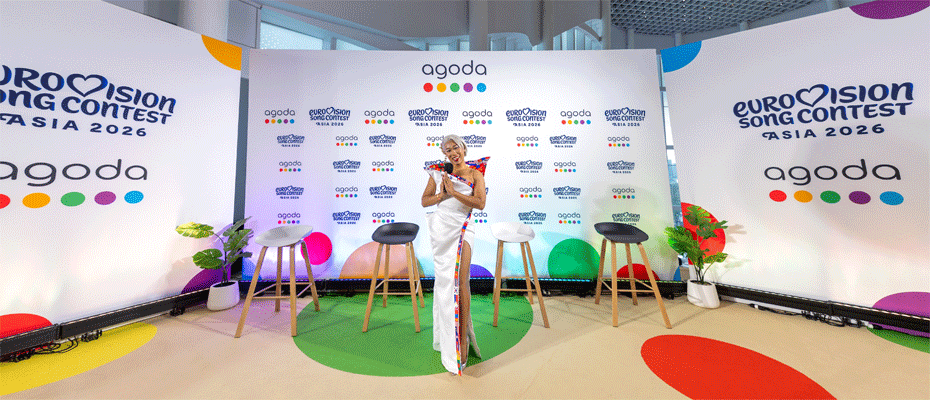

Agoda connects Asian Eurovision fans through Bangkok Grand Final
The travel platform’s partnership with the inaugural Eurovision Song Contest Asia generated nearly eight million social media views and highlighted the tourism potential of major live events
RIU supports angel shark conservation in the Canary Islands
The hotel group has launched a three-year partnership with the Angel Shark Project to strengthen scientific research, citizen participation and marine biodiversity protection
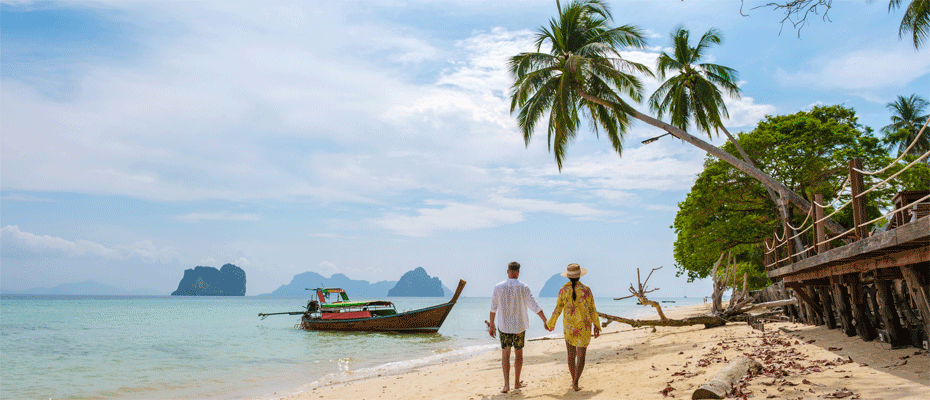
Agoda recommends five Asian destinations for winter sun
From Japan’s subtropical islands to Thailand’s Andaman coast, the travel platform highlights five coastal escapes combining warmer weather with nature and cultural experiences

Marriott blends Thanksgiving traditions with local culture in Mexico and the Caribbean
Hotels and resorts across the region are targeting holiday travellers with culinary experiences, cultural activities and family celebrations inspired by local traditions
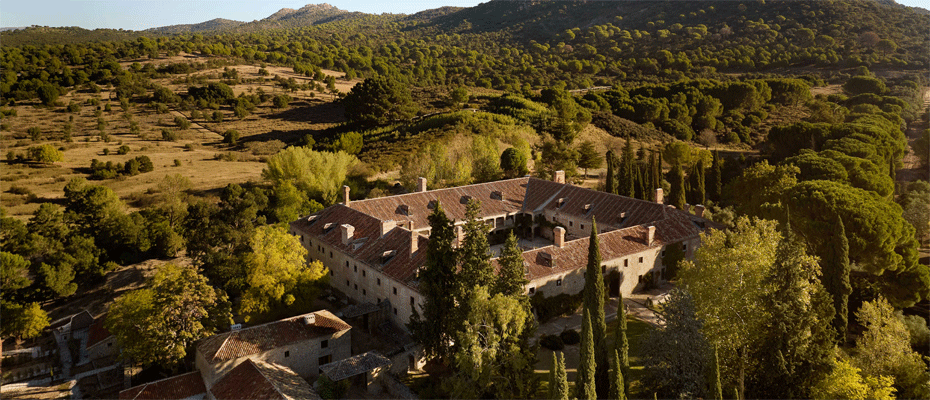
Six Senses announces four hotel openings and reopenings for 2027
The luxury hospitality brand is expanding its portfolio with new properties in Spain, Italy and Israel, alongside the reopening of its cliffside resort in Bali
Thailand targets Morocco and Tunisia to diversify its tourism markets
The Tourism Authority of Thailand and Etihad Airways are working with North African travel companies to develop new itineraries for first-time visitors
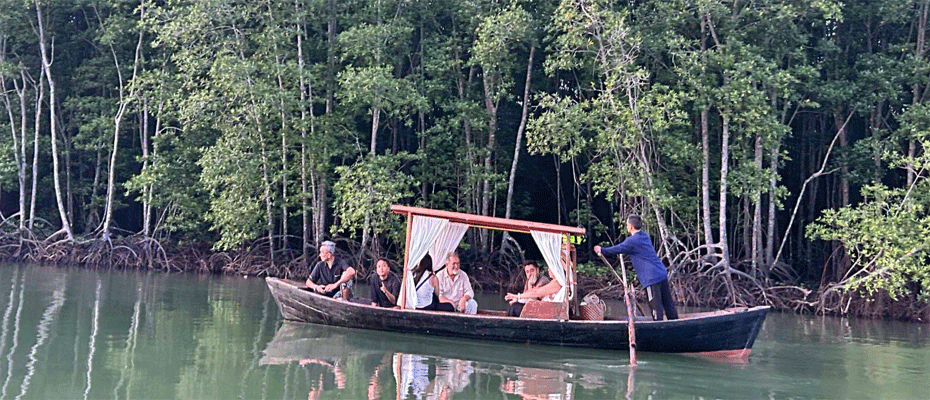
Thailand promotes Chiang Rai and Krabi to Southern European tour operators
A familiarisation trip for travel companies from Italy, Spain and Portugal highlights lesser-known destinations, community tourism and opportunities for year-round travel

Lufthansa turns travel etiquette into a limited-edition fashion collection
Following strong interest on social media, the airline is launching four clothing items and accessories inspired by the unwritten rules of air travel, with licensing proceeds supporting its charitable organisation
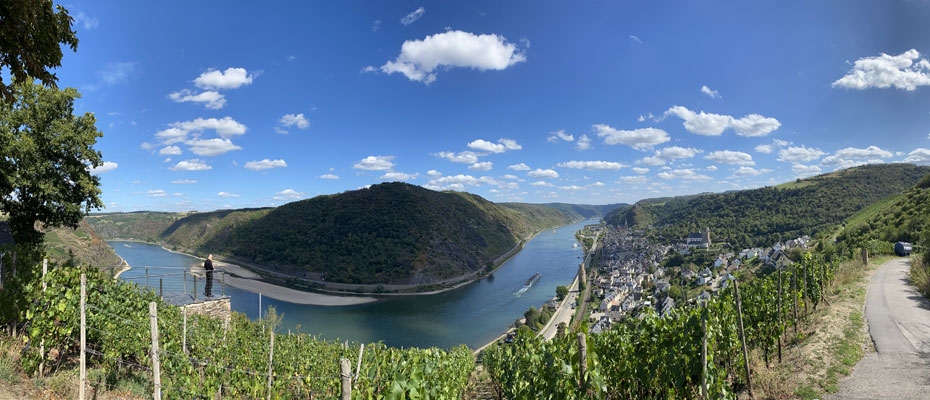
Germany’s inbound tourism gains momentum as international holiday demand grows
International overnight stays rose by 4.8% in September, while European leisure travel, rail journeys and direct bookings are supporting Germany’s competitive position
Spain’s tourism employment surpasses 3 million in October
Tourism-related jobs increased by 6.2% year on year, outpacing national employment growth, with the Balearic Islands recording the strongest regional gains
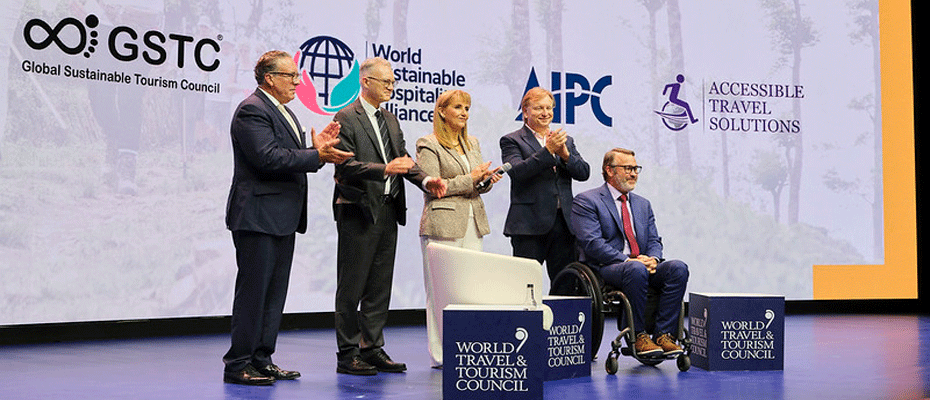
Global travel industry launches alliance to improve accessibility
Six international organisations join forces to establish the Global Accessible Travel Alliance, aiming to reduce barriers across tourism, hospitality, business travel and events
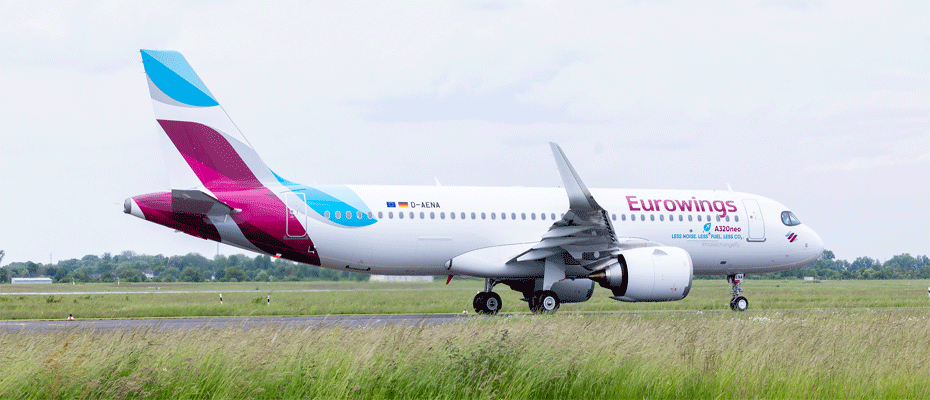
Eurowings launches direct flights from four German cities to Damascus
The Lufthansa Group airline will introduce five weekly services to the Syrian capital in January 2027, targeting travellers visiting friends and relatives
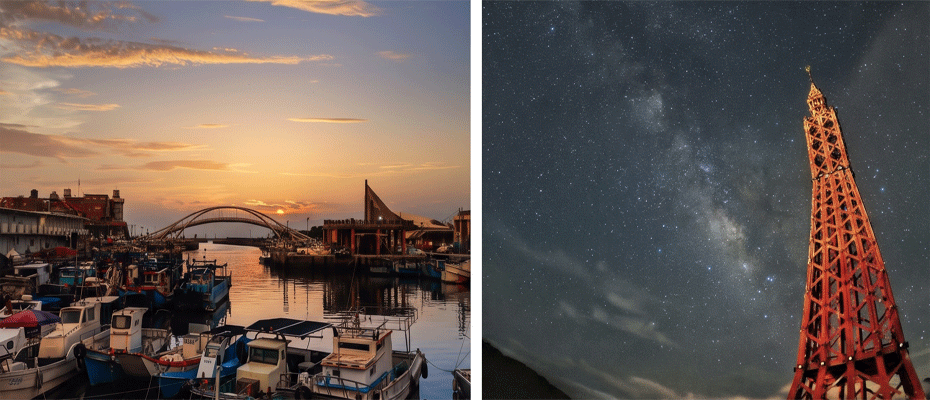
Taiwan: Taoyuan promotes five festivals for year-round tourism
From traditional lantern celebrations and Southeast Asian food culture to coastal music events, Taoyuan is showcasing its diverse festival calendar to international visitors

Ryanair unveils $3.6 billion growth plan for Germany and calls for aviation tax abolition
The Irish low-cost carrier proposes doubling its German passenger numbers to 34 million annually, opening new bases and creating more than 1,000 direct jobs by 2032 if operating costs are reduced