Tourexpi

Brazil: Pantanal opens up a world of jaguar safaris and nature adventures
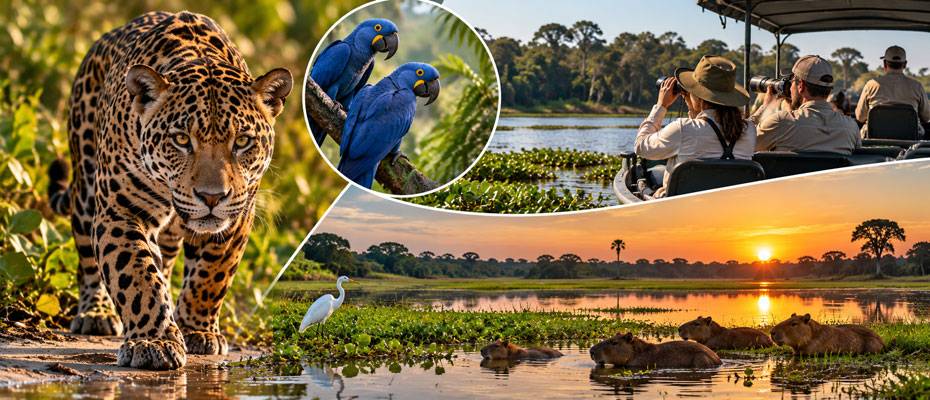
Brazil is putting the Pantanal in the international
spotlight as a destination for nature and wildlife tourism. The world’s largest
tropical wetland stretches primarily across the states of Mato Grosso and Mato
Grosso do Sul, where rivers, forests and immense plains create habitats for
jaguars, giant anteaters, tapirs, caimans, capybaras and more than 650 recorded
bird species.
The landscape changes dramatically with the seasons.
During the wet period, water spreads across the plains and turns roads into
waterways; months later it retreats and dry land returns. These cycles
influence wildlife movements, life on traditional ranches and the routes
available to visitors. UNESCO recognizes the Pantanal Conservation Area as a
Natural World Heritage Site, while a larger area forms part of the Pantanal
Biosphere Reserve.
Two gateways into the Pantanal
Visitors can approach the wetland from two principal
regions. In the northern Pantanal in Mato Grosso, Poconé serves as one of the
main bases for journeys along the Transpantaneira. At the end of the road,
Porto Jofre provides access to boat expeditions on the Cuiabá, Piquiri and Três
Irmãos rivers, including areas known for frequent jaguar sightings.
In the southern Pantanal, Aquidauana, Miranda and
Corumbá provide access to ranches, nature lodges, horseback riding, overland
safaris and river itineraries. Accommodation ranges from traditional pousadas
and ranches to nature hotels, with excursions often scheduled around sunrise
and late afternoon when wildlife is particularly active.
Jaguar season runs from July to November
For many international visitors, the jaguar is the
Pantanal’s greatest attraction. Sightings require patience, but the period from
July to November generally coincides with falling water levels. In some areas,
this can concentrate wildlife around rivers and improve the chances of
observing the big cats.
Boat excursions typically depart early, with guides
and pilots scanning riverbanks and listening for sounds in the vegetation. On
land, open safari vehicles explore roads and trails around dawn and late
afternoon. Alongside jaguars, visitors may encounter giant anteaters, deer,
tapirs, white-lipped peccaries and numerous bird species.
Birdwatching is another major draw. More than 650
species have been recorded in the Pantanal, including jabiru storks, hyacinth
macaws, herons, spoonbills and kingfishers. The combination of open plains,
riverbanks, forests and ranch landscapes provides different habitats throughout
the year.
River cruises explore remote landscapes
Multi-day cruises on the Paraguay River offer another
way of experiencing the region. Departing from Corumbá, hotel boats travel
through flooded plains and riparian forests, serving as accommodation and a
base for excursions on land and water.
Itineraries can include smaller-boat excursions,
hiking, authorized water activities and birdwatching. Among the destinations
accessible by river is Serra do Amolar, where mountains rise above the
wetlands, rivers and forests. Shorter boat safaris concentrate specifically on
wildlife observation along channels and riverbanks.
Conservation becomes part of the visitor experience
Tourism is also closely connected with conservation
projects. At Caiman Pantanal in the Miranda region, Onçafari has been working
since 2011 on research, ecotourism, wildlife reintroduction, fire prevention
and habitat protection, with a particular focus on jaguars. Guests can join
safari drives and learn how researchers locate and monitor animals.
Projeto Arara Azul, founded in 1990, monitors nests
and studies the reproduction of hyacinth macaws and other birds. In Serra do
Amolar, Instituto Homem Pantaneiro combines environmental protection with
support for local communities and wildfire prevention. Its Amolar Experience
program can include navigation, hiking, wildlife observation and pre-arranged
visits to local communities.
The Pantanal’s appeal extends beyond wildlife.
Traditional ranches introduce visitors to a way of life shaped by cattle,
rivers and seasonal flooding, while regional cuisine ranges from river fish and
slow-cooked meats to arroz carreteiro, piranha broth and farofa made with
plantain. Together, wildlife, landscape and local culture give Brazil an
increasingly distinctive product for international nature tourism.
Image Credit: © AI generated illustration
The most interesting news
 Read the News

Princess Cruises expands Sanctuary Collection to five more ships
The cruise line is extending its premium accommodation concept across the Royal Class fleet, with the first new departures available from January 2027
 Read the News
Lufthansa Group announces largest route expansion since 2020
Ten new long-haul connections, additional flights to the Americas and Asia, and expanded leisure services will shape the group's summer 2027 schedule
 Read the News
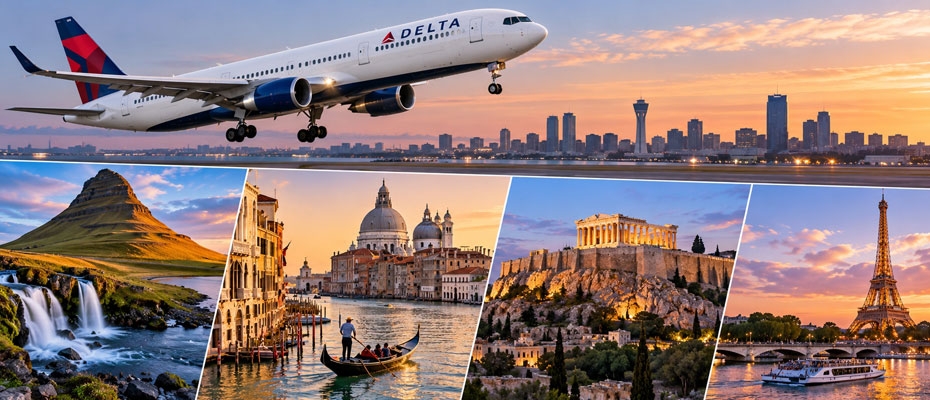
Delta expands 2027 transatlantic network with four new routes
New services to Reykjavík, Venice, Athens and Paris will strengthen US–Europe connectivity as the airline extends its seasonal flight programme
 Read the News
Global Tourism Economy Forum in Macao strengthens international tourism cooperation
The 2026 edition brought together around 1,300 participants and generated more than 1,000 business matchmaking contacts, with Hainan set to host the next forum in 2027
 Read the News
ROBINSON targets Vietnamese and South Korean travellers with tailored campaigns
TUI Group’s premium club resort brand is promoting ROBINSON NAM HOI AN through two distinct marketing strategies, with influencer partnerships and locally adapted digital content
 Read the News
IHG and American Express Expand Premium Travel Benefits in China
A new partnership offers eligible Platinum Cardmembers elite hotel status, additional loyalty rewards and cashback incentives across selected properties
 Read the News
Holland America Line marks 80 years in Alaska with new heritage tour collection
More than 35 excursions celebrating Alaska’s railways, glaciers, wildlife and cultural history will be available on selected cruises and land-and-sea journeys in 2027
 Read the News
Hilton introduces digital Pay with Points for hotel expenses
The new Hilton Honors feature allows elite members to redeem loyalty points against eligible hotel charges during mobile checkout, with a wider rollout planned for 2027
 Read the News

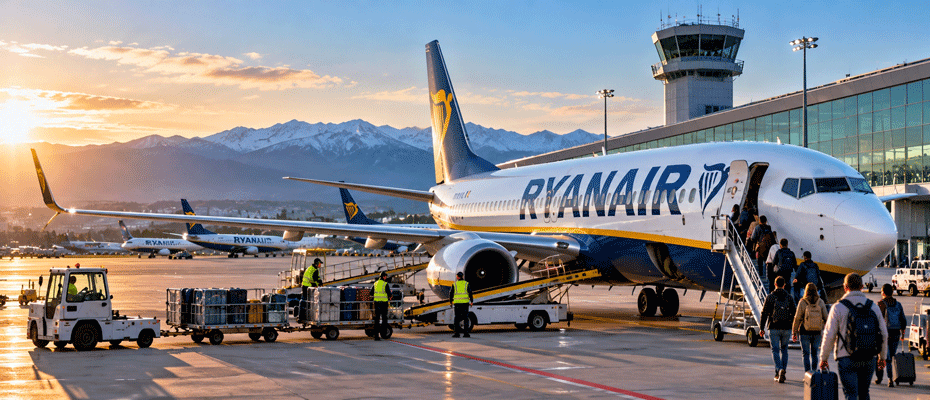
Ryanair adds fourth aircraft at Memmingen Airport for winter 2026
The airline plans 25 routes, including new services to Catania and Tirana, and expects passenger traffic to rise by 21% despite wider capacity reductions in Germany
 Read the News
Delta completes global Wi-Fi coverage with Asia-Pacific expansion
Free onboard internet access is now available to SkyMiles members across Delta’s international network, with full fleet connectivity planned for early 2027
 Read the News

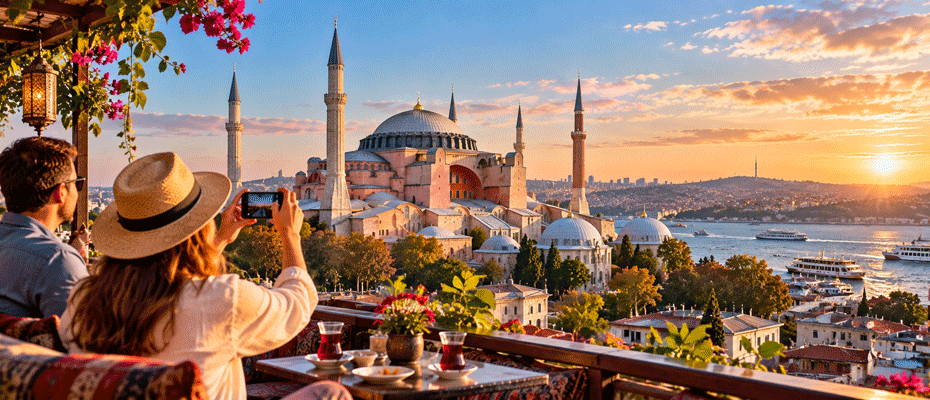
Türkiye targets $70 billion in tourism revenue for 2027
The government plans to increase tourism development funding to $244.5 million as it seeks to strengthen the country's position among the world's leading tourism destinations
 Read the News
Kempinski and BTG Hotels plan to deepen luxury hospitality partnership in China
The two hotel groups aim to expand their cooperation through new luxury hotel projects, additional investment in operational resources and opportunities in international markets
 Read the News
Shanghai’s St. Regis on the Bund Earns Michelin Key on Second Anniversary
The luxury hotel celebrates two years with international recognition, new suites and an expanded focus on gastronomy and cultural experiences
 Read the News
Aruba Fashion Week Marks Its 10th Anniversary with Iberostar Partnership
The November 2026 event will bring international designers, Caribbean creativity and luxury hospitality together across two venues in Aruba
 Read the News
Lufthansa retires last Airbus A340-600 after 23 years of service
The final scheduled flight from Washington to Frankfurt marks the end of an era as the airline accelerates its largest long-haul fleet renewal programme
 Read the News
Spain welcomes 11.5 million international air passengers in September
International arrivals rose by 5.1% year on year, bringing the total for the first nine months of 2026 to 90.9 million, according to Turespaña
 Read the News
Yanolja targets Asia-Pacific growth with hotel technology and B2B distribution
At ITB Asia 2026 in Singapore, the South Korean travel technology group will showcase AI-powered hotel operations and expand its accommodation distribution partnerships
 Read the News
Tomorrowland brings two-day electronic music festival to Shanghai
The sold-out event at Hero Dome combined international DJs, large-scale stage technology and local cultural experiences
 Read the News
Lufthansa Group launches first consumer campaign under its umbrella brand
The “Greatness is a Group effort” campaign highlights the benefits of an integrated airline network while preserving the individual identities of its carriers
 Read the News
Tourism employment in Spain exceeds three million in September
Tourism-related employment rises by 4.7% year on year, with hospitality driving growth and the Valencian Community recording the strongest regional increase
 Read the News
United Airlines expands meal preordering to shorter flights
The airline extends its Economy food preordering service to 420 additional daily flights across North America and the Caribbean