








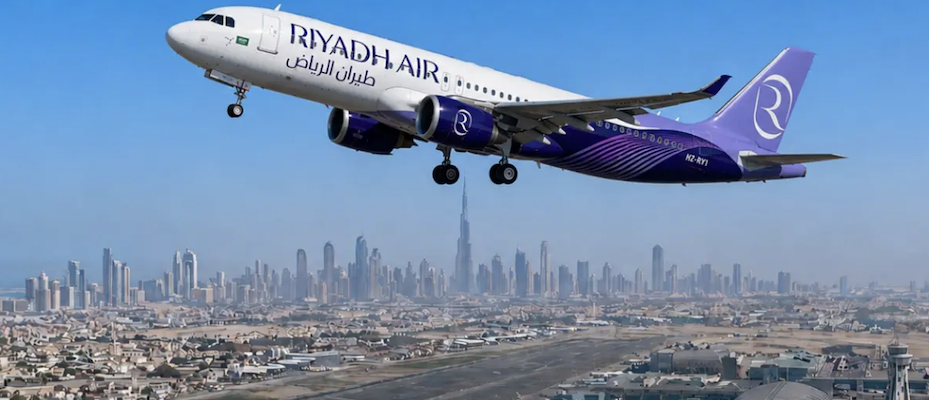


Arabian Travel Market 2026 confirms revised September dates

RX has announced that Arabian Travel Market (ATM) 2026 will now take place from 14–17 Se

Summer Festivals in Gunma prefecture, Japan
Song, dance, and vibrant color – Get there via Tobu Railway!
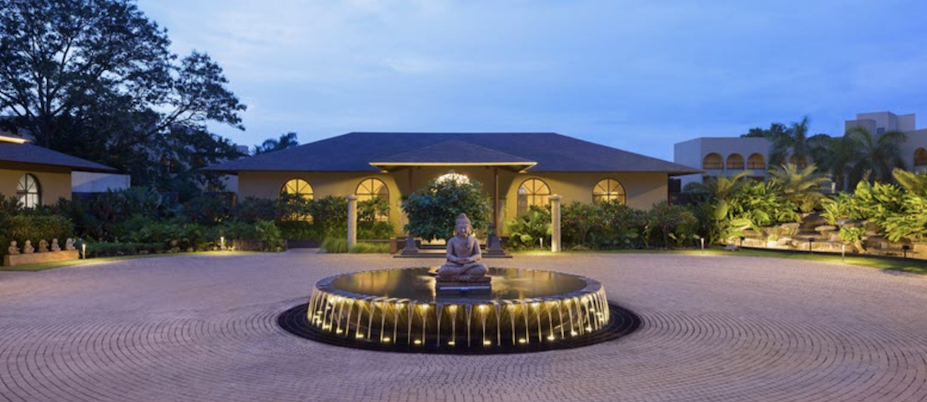
75 Signings and 50 Openings for Series by Marriott in India
Marriott International, Inc. announced landmark dual milestones for The Fern Hotels & Reso

From coastlines to campsites
Shein Survey of 20K+ shoppers reveal summer 2026's biggest vacation destinations & shoppin
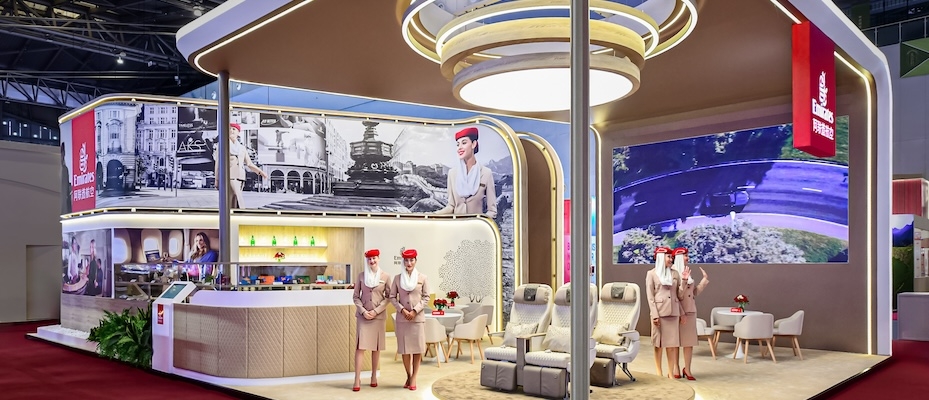
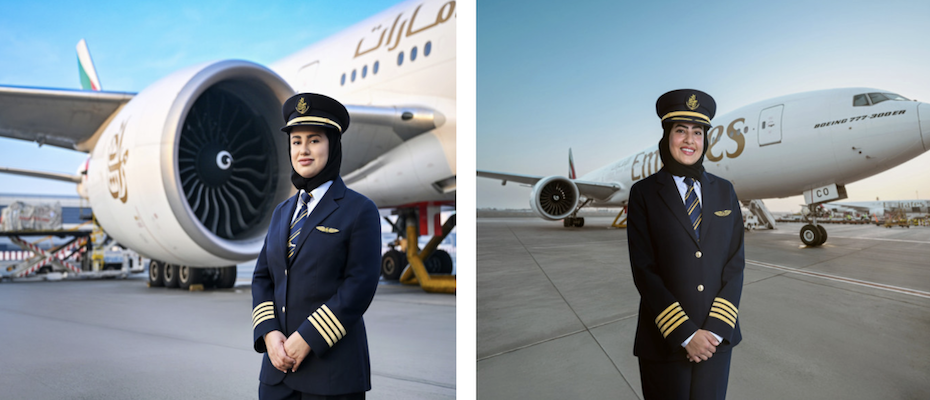
Emirates makes its product debut at ITB China 2026
Emirates, the world's largest international airline, today marked its debut at ITB China 2

ACCOR's combined shareholders' meeting of May 27, 2026
The Annual General Meeting of Shareholders, chaired by Mr. Sébastien Bazin, Chairman and

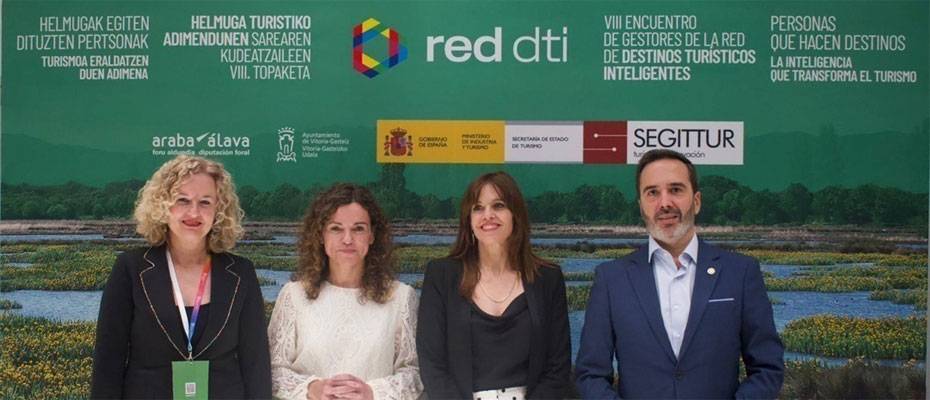
Youth policy dialogue on the future of European tourism
On 15 May, Paulina Mikalauskaite joined Commissioner Apostolos Tzitzikostas and around 20

Why Rome is still the world’s best city to discover on foot
Rome’s center works on foot because the key distances are short and the street pattern s
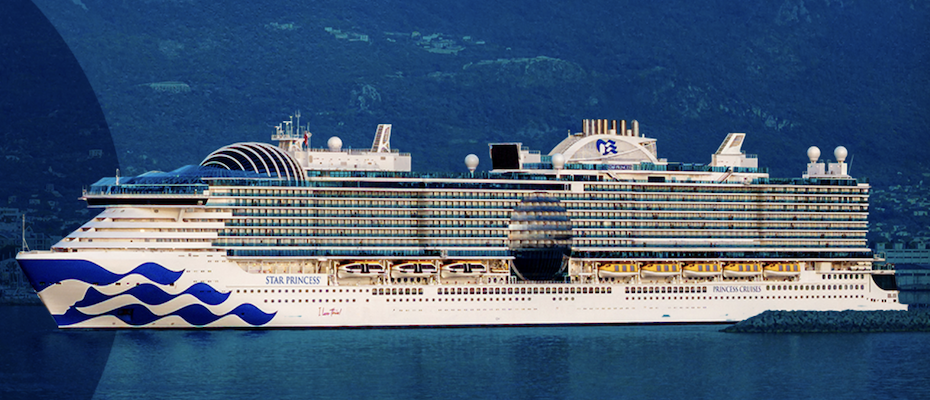
Cruise.co.uk unveils cruise and rail programme
Cruise.co.uk has launched a ‘Cruise & Rail Collection’ for 2027. Six exclusive itinera
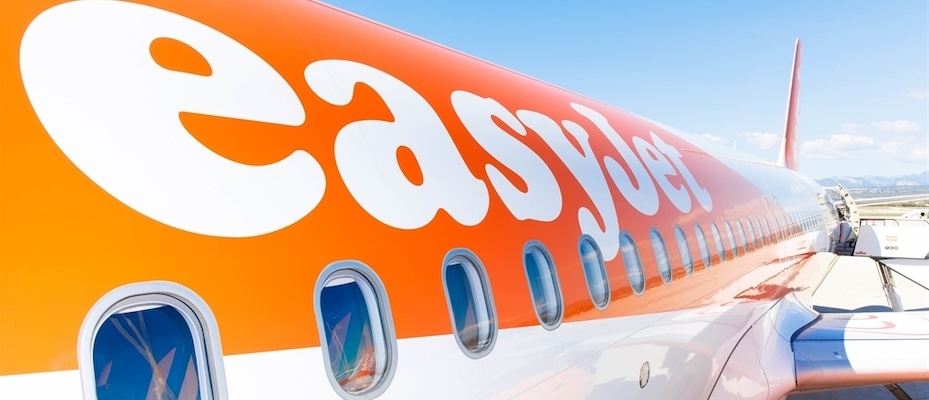
easyJet and Schiphol Airport deploy reduce ground emissions
easyJet and Amsterdam Schiphol Airport are announcing the rollout of electronic TaxiBot te

RIU Hotels drive global sustainability
In May 2026, RIU Hotels & Resorts presented its global sustainability strategy 'Proudly Co
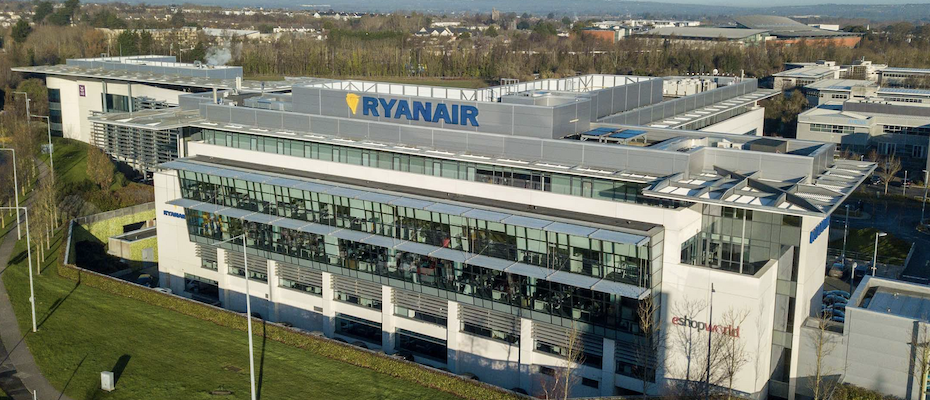
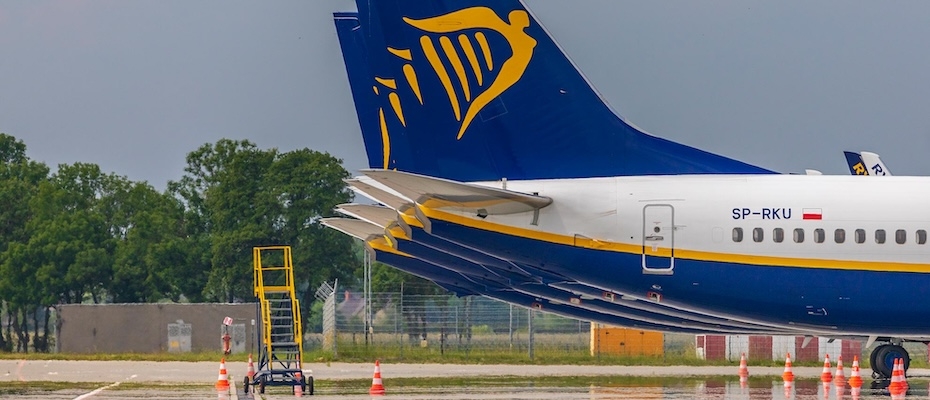
RYANAIR now debt free as last €1.2 billion bond is repaid
Ryanair, on 25 may, repaid its last €1.2 billion bond leaving the Ryanair Group effectiv
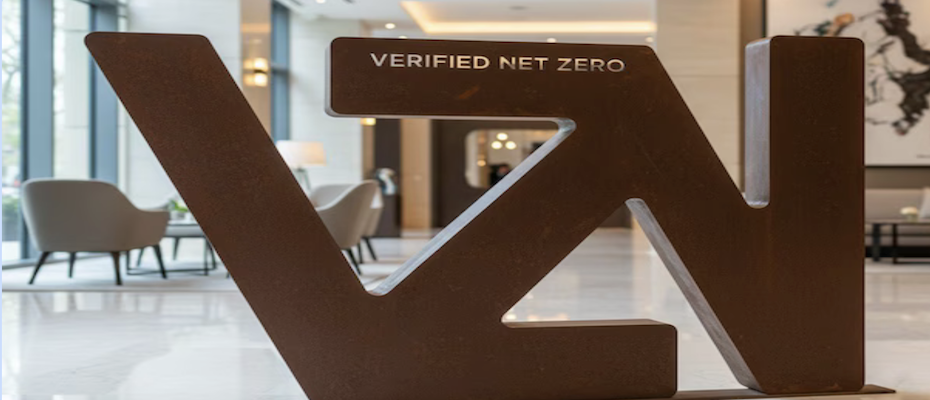
Three Radisson Blu Events Hotels in Norway to join Net Zero Hotels Program
The conversion of three established properties shows that large-scale meetings and events

Palm Springs celebrates Marilyn Monroe's 100th birthday
A sea of Marilyn look-alikes is expected in Palm Springs to celebrate what would have been
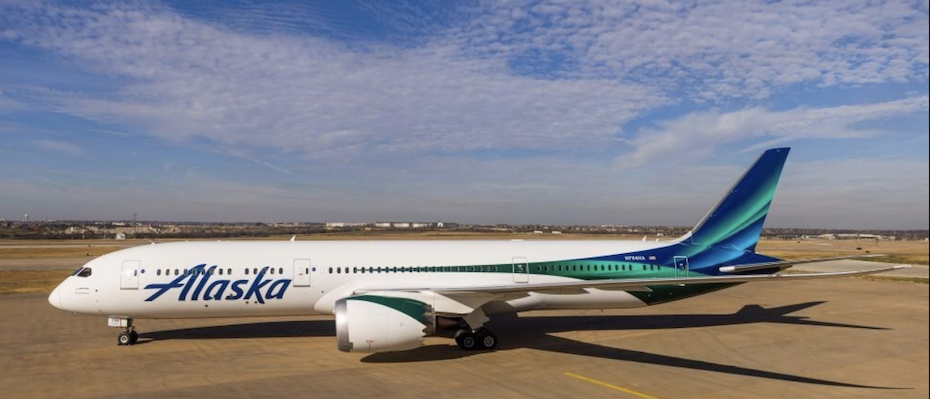
Alaska Airlines launches new European routes
Alaska Airlines launched daily nonstop service between Seattle and London Heathrow, reinfo
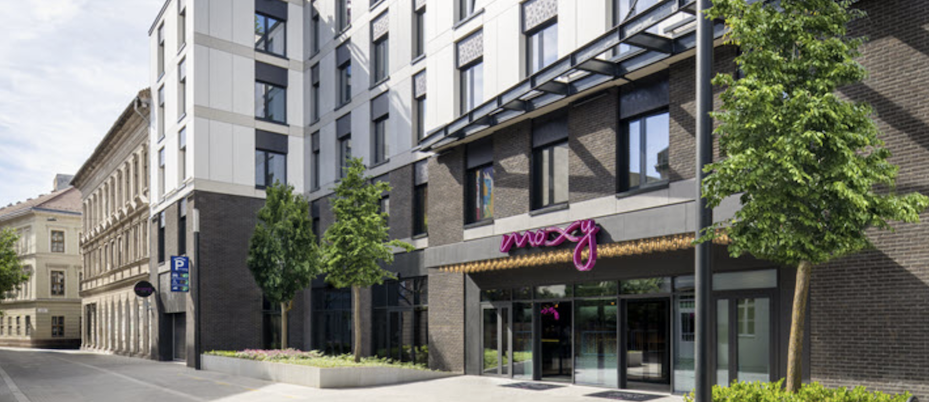
Moxy Hotels checks into Hungary with opening of Moxy Budapest Downtown
Moxy Hotels, part of Marriott Bonvoy’s portfolio of over 30 extraordinary hotel brands,

Emirates expands global travel rehearsal programme to Madagascar
Emirates, the world’s first Autism-Certified Airline, has launched its “Travel Rehears

Virtual expedition week by ASTA
Advisors will hear directly from the industry’s leading expedition brands, gaining first

Accor invites the world's top luxury travel advisors
Accor is once again inviting luxury travel professionals to join the HERA Challenge, recog

Travelers embrace artificial intelligence for seamless mobility
Technological progress, data sharing, and more sustainable options top the agenda in the s
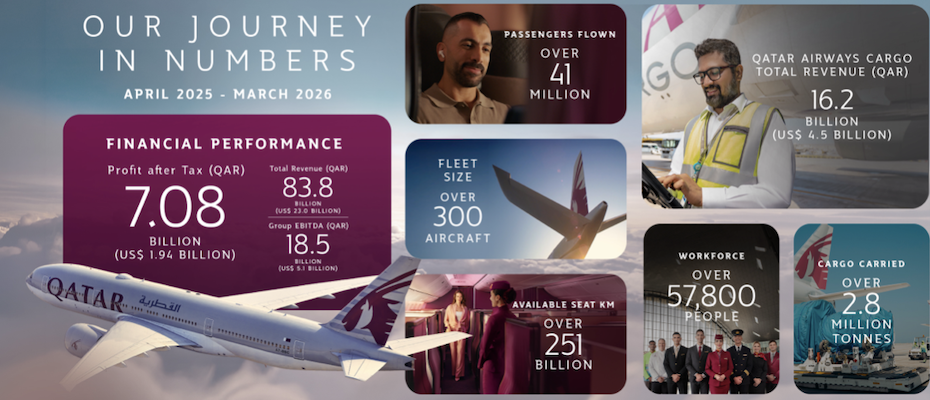
Qatar Airways Group delivers robust financial performance
Qatar Airways Group posts QAR 7.08bn net profit (US$1.94bn) for financial year 2025/26, de

Address
Redaktionsbüro
Mainzer Str. 36
55411 Bingen am Rhein

Our Headquarter